


Think debt consolidation erases your debt?
It doesn’t.
It means moving multiple balances into one loan or card so you make a single monthly payment.
That can lower your interest and simplify your budget, or it can add fees and stretch your payoff longer.
This post explains how consolidation works, the common methods (balance transfer, personal loan, home equity), the real trade-offs, and a simple decision rule to help you pick what to do next.
If you want one clear first step, you’ll find it here.
Clear Explanation of Debt Consolidation for First‑Time Learners

Debt consolidation means using a new loan or credit card to pay off multiple debts so you’ve got one monthly payment instead of juggling several. You’re not erasing what you owe. You’re just reorganizing it under better terms, ideally with a lower interest rate so more of your payment chips away at the actual balance instead of getting burned on interest.
People mostly use this for unsecured debt: credit cards, medical bills, personal loans. When you consolidate, the new account replaces all those old monthly payments. Say you’re carrying balances on four credit cards with APRs sitting between 18% and 25%. You might grab a 0% balance transfer card or a personal loan at 10% to wipe them all out. Now you’ve got one payment at one rate.
Whether consolidation saves you money depends on the math. If you’re paying $200 a month across four cards at high rates, moving that debt to one 10% loan could mean your $200 covers more principal every month. But you didn’t make the debt disappear. You just changed how you’re paying it back.
There are three main ways to consolidate, and each comes with conditions:
Balance transfer credit card: You move existing balances to a new card with 0% APR for a promotional window, usually 12 to 21 months. Expect a transfer fee of 3% to 5% of whatever you’re moving.
Personal (consolidation) loan: Borrow a lump sum with a fixed interest rate and pay it back in monthly chunks over 1 to 7 years. Fees typically run 1% to 12% of the loan amount.
Home equity loan or HELOC: Borrow against your home equity at fixed or variable rates. Closing costs are around 2% to 5%. Miss payments and you’re risking foreclosure.
On‑time payments aren’t optional: Late or missed payments wreck your credit and can trigger penalty rates that wipe out any savings you thought you’d get.
Don’t run up new debt: If you pay off credit cards with a loan and then max those cards out again, you’ll end up with more total debt than you started with.
How Debt Consolidation Works Step‑by‑Step
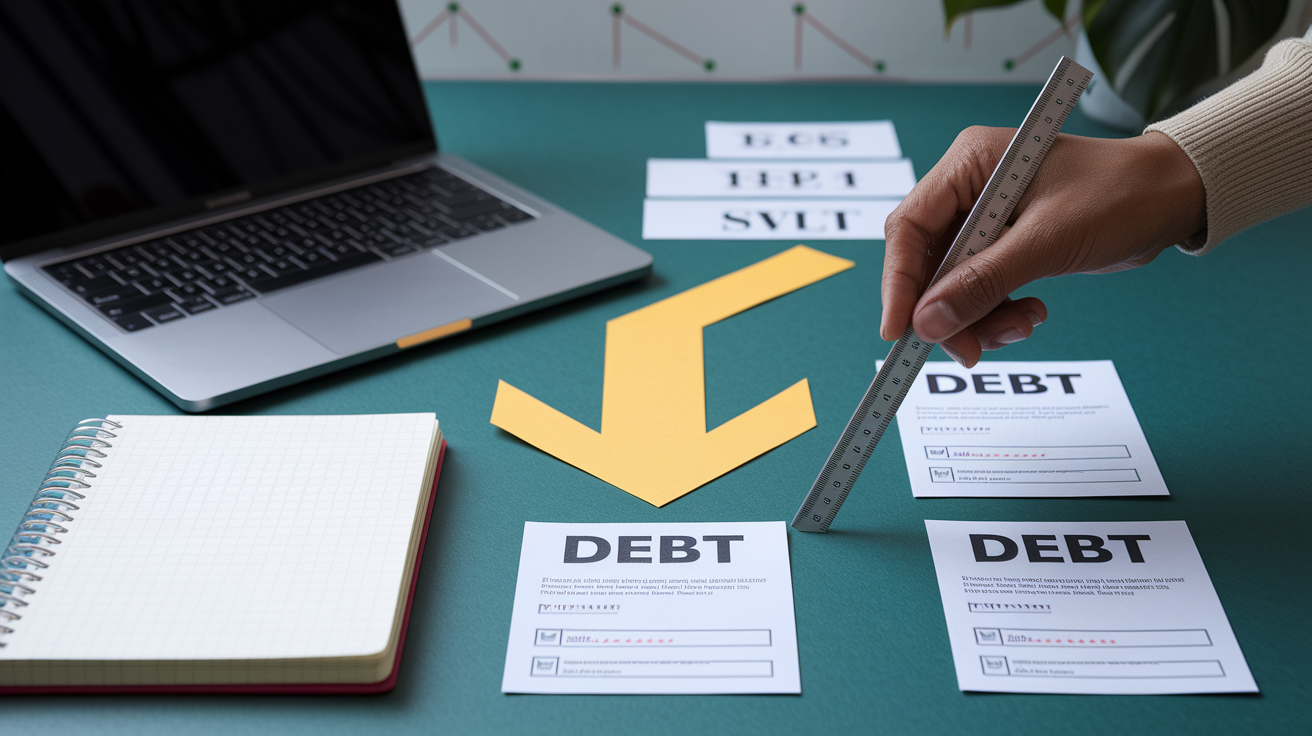
Start by listing all your current debts: balances, interest rates, minimum payments, due dates. Then you compare options (balance transfer card, consolidation loan, home equity line) to see which one offers the lowest total cost and fits the timeline you can actually stick to. Once you pick a method, you apply. If approved, you’ll either get credit availability (card or line) or a lump sum (loan). Those funds pay off your existing balances, and you start making a single monthly payment to the new lender.
A lot of times, the new lender pays your creditors directly. For a consolidation loan, the bank might send checks to your credit card companies so the balances get settled before you even see the money. For a balance transfer, you request the transfer when you open the card, and the issuer moves your old balances onto the new one. Either way, the point is the same: turn multiple payments into one and lock in a lower interest rate if you can.
Here’s the general flow:
- Review your debts: Add up all balances, note current APRs and monthly minimums.
- Compare offers: Look at promotional transfer rates, loan APRs, and fees. Estimate total cost over the full repayment period.
- Apply and fund: Submit your application. If approved, the new loan or card pays off the old accounts.
- Begin single payment: Make one monthly payment at the new rate. Stick to the schedule to avoid penalties and interest rate spikes.
Balance Transfer Card Procedure
When you apply for a balance transfer card, you’ll give details on the balances you want to move: account numbers, issuer names, amounts. The new card issuer reviews your credit, sets a credit limit, and transfers as much as that limit allows. Most issuers charge a transfer fee of 3% to 5% of the total you’re moving. So transferring $10,000 at a 3% fee costs you $300 upfront.
The main benefit is the 0% APR promotional period, which usually lasts 12 to 21 months. During that window, every dollar you pay goes straight to the principal. If you can clear the full balance before the promo ends, you dodge interest completely. If you can’t, whatever’s left starts accruing interest at the card’s standard APR, often 18% or higher.
Using the card for new purchases can reset interest charges. A lot of issuers apply payments to the transferred balance first, so new purchases can sit there accruing interest until the transfer is fully paid. And if you’re more than 60 days late on a payment, you can trigger penalty rates and lose your promotional APR, which makes the card more expensive than your original debts.
Consolidation Loan Funding Flow
A debt consolidation loan is a fixed‑rate personal loan. You apply with a bank, credit union, or online lender. They look at your credit score, income, and debt‑to‑income ratio. If approved, you get a lump sum, sometimes same day, sometimes within three business days. The lender might send that money directly to your creditors, or they deposit it in your account and you pay off the cards yourself.
Origination fees usually range from 1% to 12% of the loan amount. A $10,000 loan with a 5% origination fee means you pay $500 upfront, so the net amount you receive is $9,500 (or the fee gets rolled into the loan balance). Your APR depends on your creditworthiness. Recent marketplace examples show rates from 6.7% to 35.99%. Terms usually run 1 to 7 years, though some lenders offer up to 10 years for larger amounts.
Monthly payments are fixed for the life of the loan. That makes budgeting easier and guarantees you’ll pay the loan off on schedule. If you want to prepay or throw extra money at it, many lenders let you do that without penalty, which cuts total interest.
Home Equity Options Workflow
Home equity consolidation uses your house as collateral. There are two main products: a home equity loan (lump sum repaid over a fixed term, often up to 30 years) and a HELOC (revolving line of credit with a draw period up to 10 years and a repayment period that can stretch to 20 years). Both require a home appraisal and often carry closing costs of 2% to 5% of the loan or line amount.
Home equity loans usually offer fixed rates. HELOCs typically start with variable rates that adjust with market benchmarks. The rates are often lower than unsecured personal loans because your home backs the debt. You can borrow larger amounts, sometimes up to 85% of your home’s equity, which makes these products useful for consolidating serious debt.
The big risk is foreclosure. Miss payments and the lender can start foreclosure proceedings to get their money back. Market declines can also leave you owing more than your home is worth, trapping you in negative equity. Only use home‑secured consolidation if you’ve got steady income and a concrete payoff plan.
Benefits of Debt Consolidation for Everyday Borrowers
The clearest benefit is interest savings. If you consolidate high‑rate credit card balances into a lower‑rate loan or a 0% transfer card, you keep more money each month. Example: carrying $10,000 at an average 20% APR costs roughly $2,000 in interest per year. Refinance that balance to 10% APR and annual interest drops to about $1,000, saving you $1,000 before fees. Over a multi‑year payoff, that can add up to thousands in total savings.
Simplification is the second big advantage. One monthly payment means one due date and one account to track. You don’t have to worry about missing a payment because you forgot which card is due when. Fixed‑rate consolidation loans also give you a predictable payoff schedule. You know exactly when the debt will be gone if you stick to the plan.
Consolidation can improve your credit score over time. Paying off revolving credit card balances with an installment loan reduces your credit utilization ratio (the percentage of available credit you’re using), which is a major factor in credit scoring. Lower utilization often leads to a score increase within a few months, as long as you make on‑time payments and don’t open new credit lines or run up balances again.
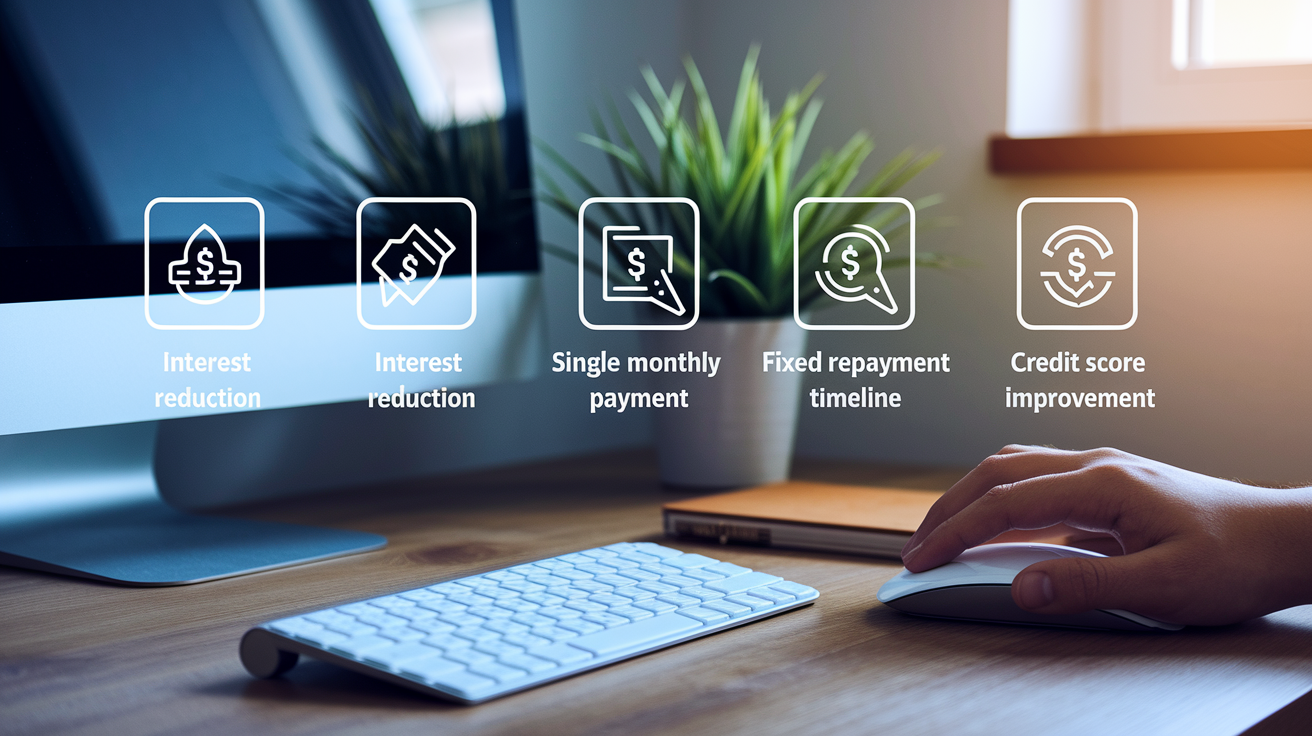
The four biggest benefits:
Interest reduction: You can save hundreds or thousands by lowering your APR from the high teens or twenties to single digits or 0% during a promo period.
Single monthly payment: Replace multiple due dates and minimum payments with one consistent obligation.
Fixed repayment timeline: Know the exact month your debt will be paid off if you follow the schedule (especially with fixed‑rate loans).
Credit score improvement: Reduce revolving utilization and build a positive payment history, which can lift your score by 20 to 50 points or more over 6 to 12 months.
Disadvantages and Risks of Debt Consolidation
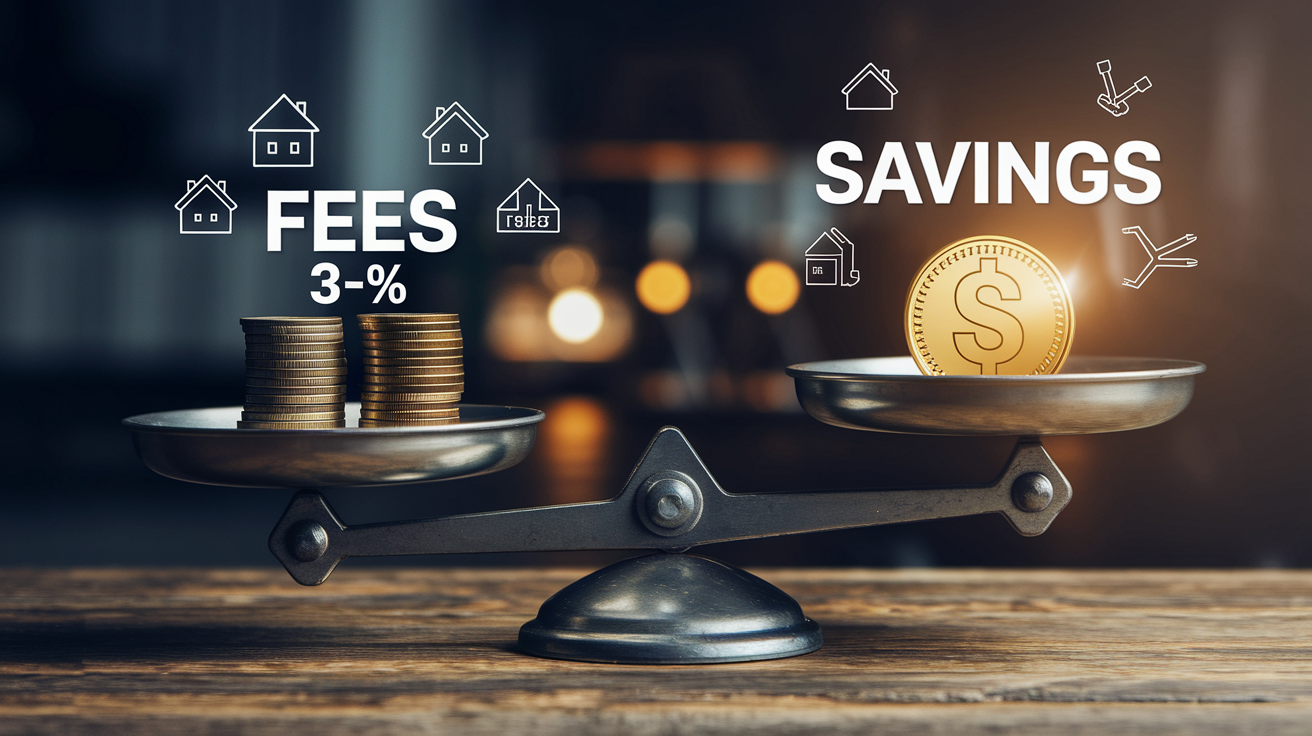
Upfront fees can eat into or eliminate the interest savings. A 3% balance transfer fee on $10,000 is $300. A 5% origination fee on a $10,000 loan is $500. If your first‑year interest savings are only $600, that $500 fee cuts your net benefit to $100 in year one. Always factor fees into your total‑cost calculation before deciding to consolidate.
Stretching repayment over a longer term can increase total interest paid, even at a lower rate. If you’re currently paying $300 per month and will clear your debt in three years, but you refinance to $150 per month over seven years, you might pay more interest overall despite the lower APR. Longer terms mean smaller payments but more months of accruing interest.
Applying for new credit triggers a hard inquiry, which can drop your credit score by a few points temporarily. Opening a new account also lowers the average age of your credit history. If you transfer balances to a new card, your utilization on that card can spike. Moving $8,000 to a card with a $10,000 limit puts you at 80% utilization, which can lower your score until you pay the balance down.
Five major risks to watch:
Transfer and origination fees: 3% to 5% transfer fees and 1% to 12% loan origination fees reduce net savings. Always subtract these from estimated interest savings.
Long repayment terms increase total interest: A lower monthly payment over more years can cost more in the end.
Foreclosure risk on home‑secured loans: Miss payments on a HELOC or home equity loan and you can lose your house.
Re‑accumulating debt on cleared cards: Pay off credit cards with a loan, then run up new balances, and you end up with both the loan payment and new card debt.
Poor credit leads to high APRs: If your score is below 670, consolidation loan rates can reach 30% or higher, which may not beat your current card rates.
Eligibility Requirements for Debt Consolidation

Most lenders look at three things: credit score, debt‑to‑income ratio, and proof of income. Credit score is the main gatekeeper. Balance transfer cards with the best promotional offers typically require good to excellent credit, meaning a FICO score around 670 or higher. The lowest APRs on personal loans usually go to borrowers with scores in the 700s. If your score is in the high 500s or low 600s, you can still qualify for some consolidation loans, but expect higher interest rates, sometimes into the mid‑30% range.
Debt‑to‑income ratio (DTI) measures your monthly debt payments as a percentage of your gross monthly income. Many lenders want a DTI at or below 50%. If your monthly debt obligations are $2,000 and your gross income is $5,000, your DTI is 40%, which is generally fine. A DTI above 50% signals higher risk, and lenders may decline your application or offer worse terms.
Income verification is required by nearly all lenders. You’ll submit recent pay stubs, tax returns, or bank statements. Self‑employed? Expect to provide at least two years of tax returns. Lenders may also request account statements for each debt you plan to consolidate, along with letters from creditors showing current balances and payoff amounts. Some lenders ask for a letter of employment to confirm job stability.
| Requirement | Typical Standard | Why It Matters |
|---|---|---|
| Credit Score | 670+ for best offers; 580+ for some approvals | Determines APR and approval odds; scores in the 700s unlock the lowest rates |
| Debt‑to‑Income Ratio | ≤ 50% of gross monthly income | Shows lender you can afford the new payment without overextending |
| Proof of Income | Pay stubs, tax returns, bank statements | Verifies stable income to repay the loan on schedule |
| Documentation | Account statements, employment letter, creditor letters | Confirms existing balances and employment status for underwriting |
Impact of Debt Consolidation on Your Credit Score
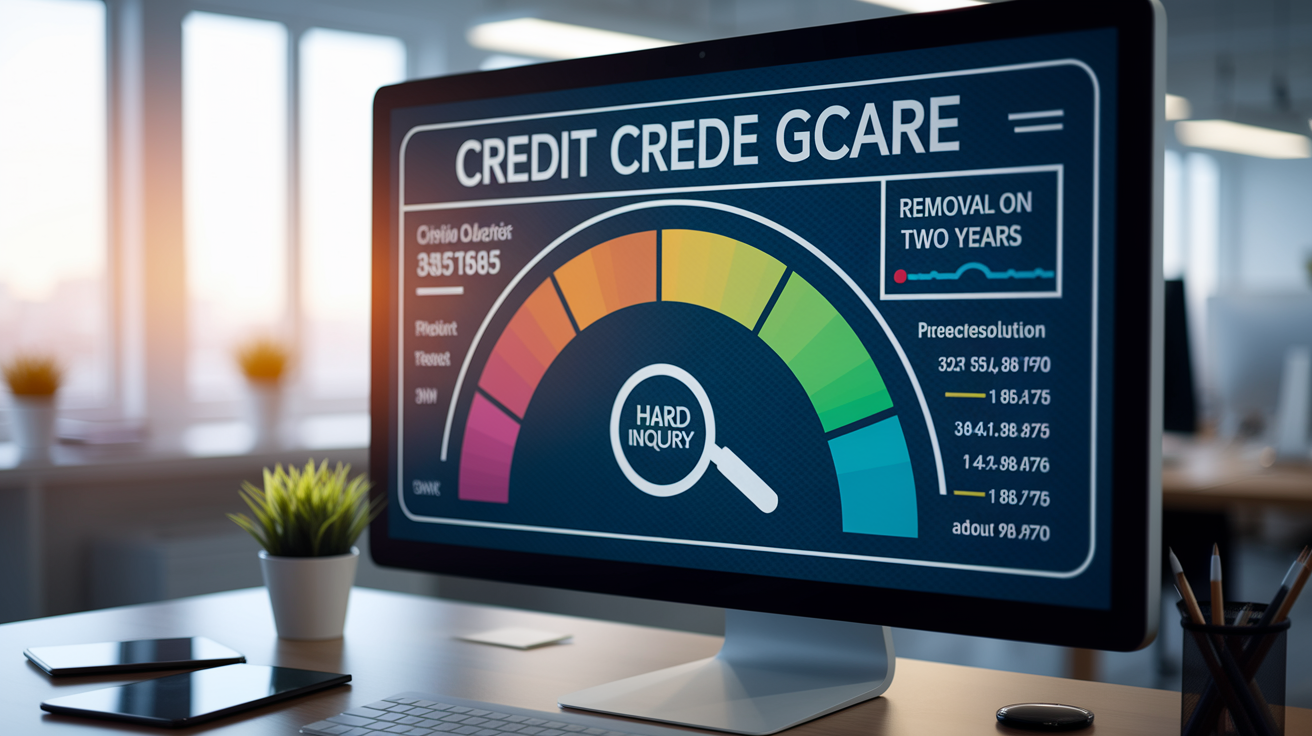
Applying for a consolidation loan or balance transfer card generates a hard credit inquiry, which typically drops your score by 2 to 5 points. That dip is temporary. Most hard inquiries fall off your report after two years and stop affecting your score after one year. If you apply for multiple loans or cards within a short window, each application adds another inquiry, compounding the short‑term damage.
Opening a new account lowers the average age of your credit history. If all your existing accounts are five years old and you open a brand‑new loan, your average age drops. Younger credit history can reduce your score by a few points, especially if you only have a handful of accounts. Closing old credit cards after a balance transfer can hurt even more, because you lose both the account age and the available credit, which can spike your utilization ratio.
The positive side appears when you use a consolidation loan to pay off credit card balances. Revolving utilization (how much of your total credit limit you’re using) accounts for roughly 30% of your FICO score. If you have $15,000 in total credit limits and $10,000 in balances, your utilization is 67%. Pay off those cards with a loan and your utilization drops to 0%, which can boost your score by 20 to 50 points within one or two billing cycles.
Balance transfers can temporarily raise utilization on the new card if the transferred amount is close to the card’s limit, but as you pay it down, utilization falls and your score recovers. On‑time payments on the new consolidation account build positive payment history, the biggest factor in your score. Over six to twelve months you can see a net score increase if you avoid new debt and keep payments current.
Comparing Consolidation Methods: Cards, Loans, and Home Equity

Each consolidation method has different terms, costs, and best‑fit scenarios. Balance transfer credit cards work best when you can pay off the balance during the 0% promotional period. If you transfer $8,000 and the promo lasts 18 months, divide $8,000 by 18 to get roughly $445 per month. Pay that amount every month and you eliminate the debt interest‑free, minus the one‑time transfer fee. Miss the deadline and the remaining balance starts accruing the card’s standard APR, often 18% to 25%, which can erase your savings.
Personal consolidation loans offer fixed rates and fixed terms, usually 1 to 7 years. APRs range from around 6.7% for excellent credit to 35.99% for poor credit. Monthly payments stay the same for the entire term, so budgeting is straightforward. Origination fees of 1% to 12% are common. Those fees are either deducted from the loan proceeds or added to the balance. Personal loans work best when you need longer than a year or two to repay and want the certainty of a fixed payment.
Home equity loans and HELOCs use your house as collateral, which lets lenders offer lower rates and higher borrowing limits. A home equity loan gives you a lump sum at a fixed rate, repaid over terms that can stretch to 30 years. A HELOC is a revolving line with a draw period (often 10 years) during which you can borrow, repay, and borrow again, followed by a repayment period (often up to 20 years) when you can no longer draw and must pay down the balance.
HELOC rates are usually variable, adjusting with the prime rate or another benchmark. Closing costs for both products typically run 2% to 5% of the amount borrowed. The trade‑off for lower rates is risk: default on a home‑secured loan and the lender can foreclose.
| Method | Key Terms | Ideal Use Case |
|---|---|---|
| Balance Transfer Card | 0% APR for 12–21 months; 3%–5% transfer fee; standard APR 18%–25% after promo | You can pay off the balance within the promo window and want to avoid all interest |
| Personal Consolidation Loan | Fixed APR 6.7%–35.99%; 1–7 year terms; 1%–12% origination fee | You need a predictable payment over several years and qualify for a rate lower than your current debts |
| HELOC | Variable rate; 10‑year draw, up to 20‑year repayment; 2%–5% closing costs | You have significant equity, need flexible access to funds, and accept variable‑rate risk |
| Home Equity Loan | Fixed rate; lump sum; up to 30‑year term; 2%–5% closing costs | You want a large, low‑rate lump sum with predictable payments and accept foreclosure risk |
Debt Consolidation vs. Debt Settlement and Other Alternatives

Debt consolidation and debt settlement aren’t the same thing. Consolidation replaces your debts with a new loan or card. You still owe the full principal, you just owe it to one lender instead of many. Debt settlement involves negotiating with creditors to accept less than the full balance owed, sometimes 50% to 70% of the original debt.
Settlement sounds attractive, but it requires stopping payments to most or all creditors while you save money for lump‑sum offers. Those missed payments trash your credit score, and creditors may sue you before agreeing to settle. Settlement also often requires paying a settlement company a percentage of the forgiven debt, and forgiven balances can be taxable as income. Success rates are low, and the credit damage can last seven years.
If consolidation doesn’t fit and settlement is too risky, consider these alternatives. Debt management plans (DMPs) are offered by nonprofit credit counseling agencies. You make one monthly payment to the agency, and they distribute it to your creditors under negotiated terms, often with reduced interest rates and waived fees. DMPs typically take 3 to 5 years to complete and are available regardless of your credit score. Your accounts are closed during the plan, which can lower your score temporarily, but the plan itself isn’t reported as negatively as settlement or bankruptcy.
Debt Management Plans
A debt management plan starts with a counseling session where a certified counselor reviews your income, expenses, and debts. The agency contacts your creditors to negotiate lower interest rates, sometimes as low as 0% to 8%, and requests that late fees and over‑limit fees be waived. You agree to close the enrolled accounts and make no new charges. Each month you send one payment to the agency, and they pay your creditors on your behalf.
The typical DMP lasts 3 to 5 years. Monthly payments are calculated to pay off all enrolled debt within that window. Your credit report will show the accounts as “managed by a credit counseling agency,” which some lenders view neutrally and others see as a red flag similar to settlement. Completing a DMP can improve your score over time because you eliminate the debt and build a consistent payment history, but you lose access to those credit lines during the plan.
DIY Strategies (Snowball & Avalanche)
The debt snowball method focuses on paying off your smallest balance first, regardless of interest rate. List all your debts from smallest to largest, make minimum payments on everything, and throw any extra money at the smallest debt. Once that’s gone, roll its payment into the next smallest balance. The wins come quickly, which can build momentum and keep you motivated. The trade‑off is that you may pay more total interest if your smallest debts carry lower rates than larger ones.
The debt avalanche method targets the highest‑interest debt first. List debts by APR from highest to lowest, pay minimums on all, and put extra funds toward the highest rate. This approach saves the most money in interest over time. It can feel slower because high‑rate debts are often large balances, so the first payoff may take months. Use avalanche when you want to minimize total cost and can stay disciplined without frequent early wins.
Costs, Fees, and Real‑World Savings Examples

Total cost is the key number. To calculate it, add up all fees and all interest you’ll pay over the life of the consolidation, then compare that to what you’d pay if you kept your current debts and payment schedule. Start with your current situation: list every balance, APR, and minimum payment. Estimate how many months it will take to pay each one off at the minimum, then multiply remaining balances by the APR and the number of months to get rough total interest. Add any annual fees or late‑payment fees you expect to incur.
Now run the same math for the consolidation offer. If it’s a balance transfer card, calculate the transfer fee (balance times fee percentage), then figure out how much you can pay per month and whether you’ll clear the balance before the promo ends. If yes, total cost is just the transfer fee. If no, estimate the remaining balance at promo end, multiply by the standard APR and remaining months, and add that interest to the fee.
For a consolidation loan, add the origination fee to the principal, then use an amortization calculator or the lender’s payment schedule to see total interest over the term.
Here’s a simple example. You have $10,000 in credit card debt at 20% APR. Paying $300 per month, it takes about 47 months to pay off and costs roughly $3,900 in interest.
Option A: balance transfer card with 0% for 18 months and a 3% fee. Transfer fee is $300. Paying $556 per month for 18 months clears the debt. Total cost is $300. Savings: $3,600.
Option B: personal loan at 10% APR for 3 years with a 5% origination fee. Origination fee is $500. Monthly payment is about $323. Total interest is roughly $1,600. Total cost is $2,100. Savings: $1,800.
Both beat the original plan, but the transfer card saves more if you can handle the higher monthly payment.
Four steps to calculate your total cost and savings:
- List current debts with APRs and balances: Add up total owed and estimate total interest if you keep paying minimums or your current payment plan.
- Identify all fees on the new offer: Transfer fees, origination fees, closing costs. Add these to the amount you’ll owe.
- Calculate total interest on the new loan or card: Use an online calculator or the lender’s amortization schedule. Include the full term and any rate changes (like post‑promo APR).
- Subtract new total cost from old total cost: The difference is your net savings. If the result is negative, consolidation costs you more and isn’t worth it.
Final Words
You learned a clear definition and the main mechanics: using one new loan or card to pay off several debts, the common methods, and how money flows from application to a single monthly payment.
We covered benefits, fees, credit effects, and who usually qualifies. If you need a decision rule: choose a balance transfer for short 0% promos, or a personal loan for steady, fixed payments — avoid using home equity unless you’re sure you won’t risk your home.
If you’re still asking what is debt consolidation, start by listing balances and rates. Small steps like that lead to real progress.
FAQ
Q: Is it a good idea to consolidate debt?
A: Consolidating debt can be a good idea when it lowers your interest or simplifies payments. If fees or longer terms raise total cost, skip it. Next: compare APR, fees, and set autopay.
Q: How to pay off $30,000 in debt in 1 year?
A: To pay off $30,000 in one year, you need about $2,500 per month. Cut expenses, boost income, throw extra payments at high-rate debts, consider a low-rate consolidation loan, and set automatic transfers.
Q: How much is the payment on a $50,000 consolidation loan?
A: The payment on a $50,000 consolidation loan depends on APR and term; at 8% APR over five years it’s about $1,012 per month. Use an online loan calculator to compare rates and terms.
Q: Does debt consolidation hurt your score?
A: Debt consolidation can hurt your score briefly: hard inquiries and a new account can drop it. If consolidation lowers utilization and you pay on time, your score often improves within months to a year.