


Can debt consolidation actually save you money—or just bury the problem under one new monthly bill?
Short answer: it can help, but only when three things line up.
You need to qualify for a better rate so you pay less interest.
You must be able to afford the new payment for the full term.
And you must stop using the old credit lines you just cleared.
If those are true, consolidation often simplifies bills and cuts total interest; if not, fees or a longer timeline can leave you worse off.
Key Factors That Determine Whether Debt Consolidation Is a Good Idea
Debt consolidation rolls multiple payments into one new loan or credit product. Usually you’re aiming to simplify things and grab better terms. Personal loans, balance transfer cards, home equity products… those are the typical tools. The pitch is simple: fewer bills, maybe lower interest. But it only pans out if your habits actually change.
When it works, you’re juggling fewer due dates, sometimes cutting your monthly nut, and possibly getting out faster if you land a lower rate. When it doesn’t? Fees eat your savings. You stretch the timeline so far you end up paying more interest overall. Or you clear the cards, feel flush, and start swiping again.
Success comes down to three things. Can you actually qualify for better terms? Can you afford the new payment for the whole ride? And are you done racking up new balances on the accounts you just zeroed out?
Consolidation makes sense when you’re carrying high rate card debt, your income’s steady, and you can get a loan or transfer with a rate noticeably below what you’re paying now. It falls apart when you keep using those old credit lines, when the fees wipe out your interest savings, or when you extend things so long that total interest climbs even though the monthly bill dropped.
Consolidation usually isn’t the move when:
- You’re planning to take on new debt in the next year. Car loan, big purchase on credit, whatever.
- You can’t get a rate that’s at least a few points below your current weighted average.
- You’re just chasing a lower monthly payment without thinking about what the whole thing costs by the end.
- Your spending patterns haven’t changed and you’re going to use that newly freed up credit.
- Upfront fees are close to or bigger than what you’d save on interest.
- You have to put up collateral like your house and you can’t stomach the risk of losing it.
Core Benefits of Debt Consolidation for High Interest Borrowers

Rolling high rate card balances into a cheaper personal loan or promo balance transfer card can save real money and give you breathing room. Say you’ve got $10,000 sitting at 22% on cards. Move it to a personal loan at 12% over five years and you save roughly $3,300 in interest, plus your monthly drops from about $276 to around $221. Personal loan rates run anywhere from 6.7% to 35.99% depending on your credit. Terms usually range between 12 and 120 months. Balance transfer cards with 0% intro APR, often good for 12 to 21 months, can kill interest charges completely if you clear the balance before the promo ends.
Beyond dollars saved, there’s less mental overhead. One due date instead of five. Smaller chance you miss a payment or get hit with late fees. Paying down one account also drops your credit utilization, the ratio of what you’re using versus what you’ve got available. That’s about 30% of your credit score. Make every payment on time and the new loan builds positive history, which is 35% of your score.
| Method | Typical APR/Promo | Best Use Case |
|---|---|---|
| Personal loan | 6.7–35.99% APR | Multiple high interest debts with a need for a fixed monthly payment and predictable payoff date |
| Balance transfer card | 0% intro APR for 12–21 months | Credit card only balances when you can repay the full amount within the promotional period |
| Home equity loan or HELOC | Varies, typically below personal loan rates | Large balances when you have significant home equity and can tolerate collateral risk |
| Debt management plan (DMP) | Negotiated lower APR, often 0–8% | Borrowers who cannot qualify for favorable loan terms and need creditor negotiation and budgeting support |
| Existing credit line | Depends on line’s current terms | Emergency use when no new application is feasible and the line offers better terms than current balances |
Major Drawbacks and Risks of Debt Consolidation Borrowers Should Consider
Fees can kill the whole thing before you even start. Personal loans often hit you with origination fees between 1% and 6% of the loan, either pulled from what you get or tacked onto your balance. Balance transfer cards usually charge 3% to 5% per transfer. Home equity products come with closing costs that look a lot like a mortgage. If what you’re paying upfront is close to what you’d save on interest, you’re spinning your wheels. Stretching the repayment can also backfire. A five year loan might cost less per month than your minimums, but if you were on track to knock out those cards in three years, those extra two years can add thousands in interest.
Behavior’s the real killer though. Pay off your cards with a consolidation loan and suddenly you’ve got all that credit available again. Start spending and now you’re carrying the new loan payment plus rising card balances. Worse than where you started. Miss a payment on the new loan and it hurts your score harder than missing one among several smaller accounts, because now that loan represents your whole debt load. And if your credit’s rough or your income’s shaky, you might only qualify for rates similar to what you’re already paying. No advantage at all.
Major drawbacks and risks include:
- Origination, transfer, and closing fees that shrink or erase your savings, especially on smaller amounts.
- Only qualifying for high rates because of your credit score or income, so you don’t actually improve anything.
- Stretching the payoff from a manageable short timeline to a multi year slog, jacking up total interest.
- Using those cleared credit lines again and piling new balances on top of the consolidation loan.
- Credit score damage if you miss even one payment, since that account now carries your full debt.
Debt Consolidation Loan Options and How Each Method Works
Personal Loans
Personal loans give you a lump sum to pay off your creditors, then you repay through fixed monthly installments over a set term. Usually 12 to 120 months. Rates depend on your credit score, income, debt to income ratio. APRs run from 6.7% to 35.99%. Borrowers with fair to excellent credit and stable jobs generally get the lowest rates. Most lenders fund within one to three business days. A lot of them will pay your creditors directly if you ask, which keeps you from getting distracted and spending the cash somewhere else. Fixed payments, clear payoff date. Easy to budget.
Balance Transfer Cards
A balance transfer card lets you move existing card balances onto a new card offering 0% intro APR, commonly 12 to 21 months. You pay a one time transfer fee, usually 3% to 5% of what you moved. The big win is zero interest during the promo period. Can save hundreds or thousands if you pay the balance off before the promo expires. Requires discipline. You’ve got to pay enough each month to zero it before the regular APR kicks in, which is often north of 20%. Works best when you’re consolidating only credit card debt and you’ve got a realistic monthly payment plan that fits the timeline.
Home Equity Options
Home equity loans and HELOCs use your house as collateral to secure a consolidation loan, often at rates below unsecured personal loans. Equity products need an appraisal, credit check, closing costs that look like a mortgage. Can run from hundreds to several thousand dollars. Your home’s on the line, so if you can’t repay you could lose it. Makes sense for larger balances when you’ve got solid equity, a strong repayment plan, and you can handle the extra risk.
Debt Management Plans
A debt management plan is a structured repayment program run by a nonprofit credit counseling agency. Typically lasts three to five years. The counselor negotiates with your creditors to cut interest rates, often down to 0% to 8%, and waive late fees or over limit charges. You make a single monthly payment to the agency, they distribute to your creditors. It’s not a loan. It’s reorganizing your existing debt under better terms. The agency also gives you budgeting education and ongoing support. Strong alternative when you can’t qualify for a decent consolidation loan or you need help managing creditor negotiations.
Which method fits your situation:
- Choose a personal loan when you need a predictable fixed payment, a clear payoff date, and you qualify for a rate meaningfully lower than what you’re carrying now.
- Choose a balance transfer card when all your debt’s on credit cards, you can get a high enough transfer limit, and you can pay it off within the 0% promo.
- Choose a home equity loan or HELOC when you’ve got significant equity, need a large consolidation amount, and can manage the collateral risk.
- Choose a debt management plan when loan or card options aren’t favorable, you need creditor negotiation, or you want structured budgeting support alongside repayment.
How Debt Consolidation Affects Your Credit Score Over Time
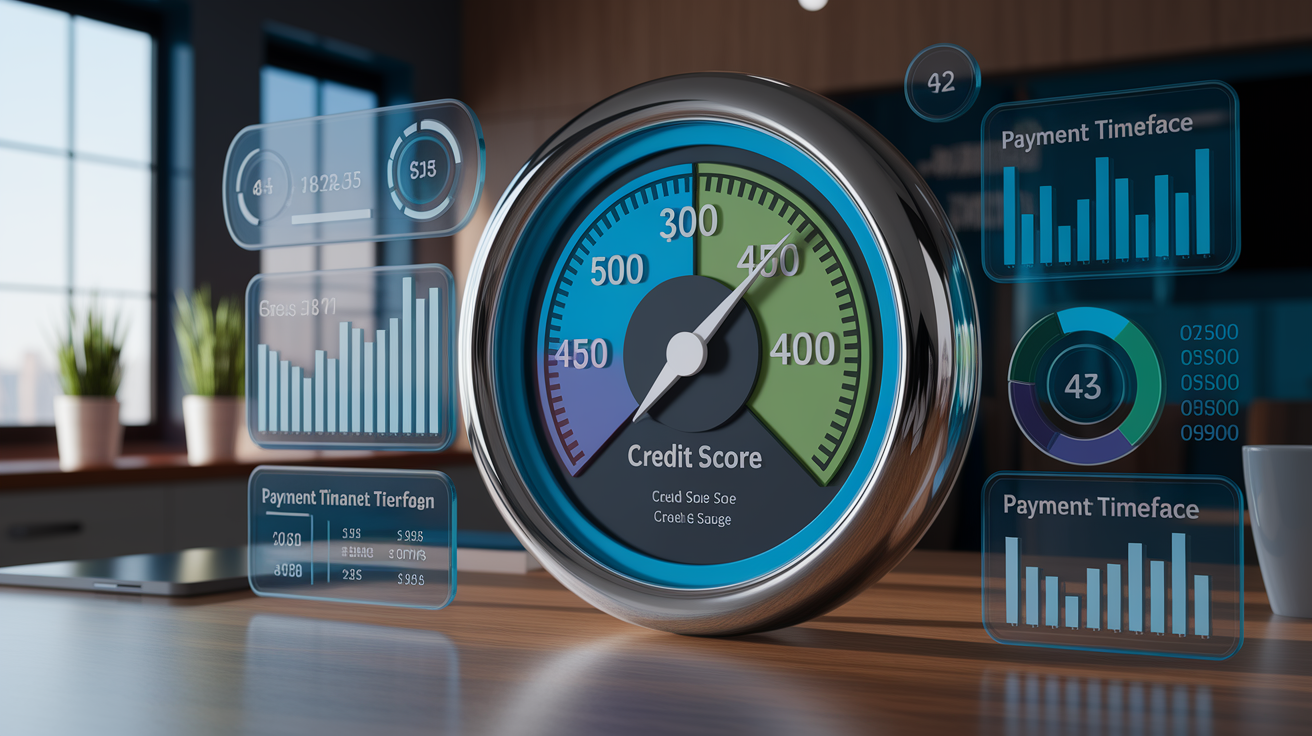
Applying for a consolidation loan or balance transfer card triggers a hard inquiry. Usually knocks a few points off your score for a short stretch. Apply for multiple loans and each application might generate its own inquiry, compounding the dip. Scoring models generally treat multiple inquiries for the same type of loan within 14 to 45 days as one inquiry, but the rule applies inconsistently across consolidation products. Spacing your applications can help.
Long term, consolidation can lift your score if you make every payment on time and cut your utilization. Payment history is 35% of your score. Consistent on time payments build positive history. Utilization, how much of your available credit you’re using, makes up about 30%. Improves when you pay down revolving balances. If you keep your old card accounts open after paying them off, your total available credit stays high and your utilization stays low. Close those paid accounts and you reduce your available credit, which can push your utilization up and your score down.
Keeping or closing accounts also touches your credit mix, about 10% of your score. A healthy mix includes revolving credit like cards and installment loans like personal loans or auto loans. Keeping paid cards open preserves that mix and maintains the average age of your accounts, another minor factor. The tradeoff is temptation. If you’re confident you won’t spend, leave them open. If the open credit’s a behavioral risk, closing one or two accounts is often worth the small score hit.
When Debt Consolidation Makes the Most Financial Sense

Consolidation works best when you’re carrying high interest revolving debt, typically credit cards running 20% to 25% APRs, and you can qualify for a significantly lower rate through a personal loan or promo balance transfer. Borrowers with fair to excellent credit scores, stable income, and manageable debt to income ratios are most likely to land good terms. It’s also solid when you want one fixed monthly payment that simplifies budgeting and sets a firm payoff deadline. Takes away the uncertainty of minimum payment only card repayment.
Most effective when you’ve identified and fixed the spending or budgeting habits that created the debt. Consolidate but keep overspending and you’ll just pile new balances on top of the consolidation loan. Worse off than before. Success needs a realistic monthly budget, an emergency fund to cover surprises without reaching for credit, and a commitment not to use those newly available credit limits.
Ideal consolidation candidates typically meet these criteria:
- Credit score in the fair to excellent range, generally 650 or higher, which gets you personal loan APRs or balance transfer offers well below your current card rates.
- Stable monthly income and employment history that supports consistent loan payments for the full term without interruption risk.
- Debt to income ratio low enough that adding a consolidation payment doesn’t push your total monthly obligations above what lenders consider manageable, usually below 43% of gross income.
- A meaningful rate reduction, at least several percentage points lower than your current weighted APR, so fees and the new rate together produce measurable savings over your existing path.
Alternatives to Debt Consolidation If It’s Not the Right Fit
When you can’t qualify for a consolidation loan with good terms, or when consolidation feels like a Band Aid instead of a solution, several non loan strategies can help you cut debt without opening a new credit account. Each carries distinct tradeoffs in cost, credit impact, and timeline. Matching the strategy to your specific situation matters.
A debt management plan from a nonprofit credit counseling agency can reduce your rates and monthly payments through direct creditor negotiation, typically bringing rates down to 0% to 8%. Plan runs three to five years and includes budgeting education and ongoing support. You make a single monthly payment to the agency, they distribute to your creditors. No loan application or collateral needed. Accessible to borrowers with lower scores or limited income. Tradeoff is you’ve got to close the enrolled credit accounts and can’t open new credit during the program, which may temporarily affect your score.
Debt settlement involves negotiating with creditors to accept less than the full balance, often 40% to 60% of what you owe. Settlement companies charge fees that usually run 15% to 25% of the enrolled debt. The process requires you to stop making payments while the company negotiates, which wrecks your credit score. Settled accounts show as “settled” instead of “paid in full” on your report, and forgiven debt may be taxable income. Bankruptcy is the most severe option. Can eliminate many unsecured debts but stays on your credit report up to 10 years and carries long term legal and financial consequences. Both settlement and bankruptcy should be last resorts after you’ve exhausted other options and talked to a qualified professional.
Do it yourself payoff strategies let you tackle debt without new loans or third party programs. Debt avalanche targets the highest APR balance first while making minimums on everything else. Minimizes total interest paid. Debt snowball focuses on the smallest balance first to build momentum through quick wins, then rolls that payment into the next smallest debt. Both need discipline and a written plan, but they skip the fees and leave you in full control.
Key alternatives and their primary tradeoffs:
- Debt management plan: negotiated lower rates and structured support, but you close enrolled accounts and commit to a multi year program.
- Debt avalanche: lowest total interest cost, but requires patience and discipline to stay focused on the highest rate debt.
- Debt snowball: quick psychological wins by knocking out small balances first, but may cost more in total interest than avalanche.
- Debt settlement: potential principal reduction, but severe credit damage, high fees, and possible tax consequences on forgiven amounts.
- Bankruptcy: immediate relief from overwhelming debt, but long lasting credit impact up to 10 years, legal costs, and restrictions on future credit access.
Step by Step Guide to Applying for a Debt Consolidation Loan

Prequalification’s a smart first move. Many lenders offer soft credit check prequalification that lets you see likely terms without triggering a hard inquiry that dings your score. Rate, monthly payment, fees. Prequalifying with multiple lenders helps you compare offers and pick the best combo of APR, term length, and fees before you formally apply.
Follow these steps to apply for a debt consolidation loan:
- List every debt you plan to consolidate. Current balance, monthly minimum, APR for each account. Calculate your weighted average interest rate and total monthly cost.
- Use lender prequalification tools to gather soft pull rate estimates from at least three lenders. Compare APR, origination fees, repayment terms (12 to 120 months), and whether the lender pays creditors directly on your behalf.
- Select the loan offer with the lowest total cost, APR plus fees, over a repayment term you can afford. Confirm the monthly payment fits comfortably in your budget alongside other essential expenses.
- Submit the formal application. Provide required documentation like Social Security number, date of birth, current address, proof of income (recent pay stubs or tax returns), and employer contact information.
- Review the final loan agreement carefully before signing. Check the exact APR, total interest cost over the term, monthly payment amount, any prepayment penalties, and the lender’s policy on paying creditors directly.
- Once the loan funds, use the proceeds immediately to pay off the target debts in full. Confirm with each creditor that the balance is zero and the account is paid. Request written confirmation if possible.
- Set up automatic payments from your checking account for the new consolidation loan to ensure every payment arrives on time. Monitor your credit report over the following months to verify old accounts report as paid and your utilization and payment history improve.
Maintaining Financial Progress After Debt Consolidation

The most common reason consolidation fails is resumed spending on the credit accounts you just paid off. Clear a card balance with a consolidation loan and the available credit reopens. Use that credit again and you’re stuck with both the new loan payment and rising card balances. To stop that, consider leaving one low limit card open for emergencies and either closing the others or physically removing them from your wallet and online payment profiles. Write out a monthly budget that accounts for your new loan payment, essential expenses, and a small amount for discretionary spending. Know exactly how much room you have before you turn to credit.
Build a starter emergency fund. Even $500 to $1,000 gives you a buffer for car repairs or medical bills. Reduces the need to grab a credit card when surprises hit. Automate your consolidation loan payment so it drafts from your checking on the same day each month. Eliminates the risk of missed payments. Track your credit score and report every few months to watch your utilization drop and your payment history strengthen. Use that visible progress as motivation to stick with the plan. Set a specific payoff goal, like “pay off this loan six months early.” Gives you a concrete target and can save additional interest if your loan allows penalty free early repayment.
Habits that sustain post consolidation progress:
- Don’t reuse cleared credit cards. Remove them from your wallet, delete saved payment info from online accounts, or close high limit cards that pose the biggest temptation.
- Build and maintain a small emergency fund in a separate savings account to cover unexpected costs without grabbing a credit card or payday loan.
- Automate your consolidation loan payment to protect your payment history and credit score.
- Review your budget monthly to track spending, identify areas where you can redirect extra money toward the loan principal, and adjust as income or expenses change.
- Monitor your credit report and score quarterly to confirm paid accounts report correctly, utilization improves, and no errors or fraudulent accounts appear.
Final Words
Debt consolidation bundles multiple balances into one payment to simplify bills and—often—lower interest. It can help when you have high‑interest revolving debt and steady income; it can hurt if fees, longer terms, or new spending raise your total cost.
Simple decision rule: if you can reduce APR or monthly strain and you won’t rack up more debt, consider consolidation. Next step: list every debt, note rates and fees, then prequalify to compare real offers.
That will answer the question: is debt consolidation a good idea for you. Small steps add up.
FAQ
Q: What are the downsides of debt consolidation?
A: The downsides of debt consolidation are higher total interest if you stretch the term, origination or transfer fees, risk of new debt, possible collateral loss, and a short-term credit hit from inquiries or account changes.
Q: How to pay off $30,000 in debt in 1 year?
A: To pay off $30,000 in one year, aim to pay about $2,500 monthly, cut nonessentials, boost income (side gigs or overtime), target high-interest balances first, and automate payments to stay on track.
Q: Does debt consolidation hurt your score?
A: Debt consolidation can hurt your credit score temporarily due to a hard inquiry and account changes, but on-time payments and lower credit utilization usually improve your score over the long term.
Q: How long will it take to pay off $20,000 in credit card debt?
A: Paying off $20,000 depends on payment size and APR: for example, at 18% APR $1,000/month ≈ 2 years, $500/month ≈ 5 years, and payments below monthly interest may not reduce principal.