


You usually don’t need to close your credit cards after debt consolidation, and closing them can hurt your score.
Balance transfer cards or personal loans pay off creditors but often leave accounts open with zero balances.
Debt management programs usually require enrolled cards to be closed or frozen while you repay under new terms.
Here’s the rule: if you can resist new spending, keep or freeze cards to protect available credit.
If not, close costly or new accounts and focus on steady payments to rebuild.
What Happens to Your Credit Cards After Debt Consolidation
Your credit cards usually stay open after debt consolidation, unless you’re in a debt management program. When you consolidate through a balance transfer card or personal loan, lenders pay off your existing balances and leave those accounts sitting there with zero balances and available credit still intact. The accounts don’t automatically close the second the payoff clears, and your cards keep working in most cases. If you go with a debt consolidation loan, the lender sends payments straight to your card issuers, wipes those balances clean, but leaves the accounts themselves active.
Debt management programs are different. These programs work through credit counseling agencies that negotiate lower interest rates with your creditors, often dropping rates to 8 percent or less. But most creditors who participate will require you to close enrolled accounts or agree not to touch them while you’re in the repayment period. The agency collects one monthly payment from you and splits it up among creditors according to a structured plan. You might get to keep one card with a zero balance for emergencies. Everything else gets restricted or closed.
Creditors can also take their own action on your accounts during or after consolidation. Some issuers freeze cards to block new purchases even when the account technically remains open. Others might cut your credit limit or close accounts completely if they spot risky patterns, like multiple balance transfers or recent late payments. These creditor‑initiated closures happen more often with debt management plans and settlements. Less so with standard consolidation loans where you’re keeping up with payments.
Creditor Requirements and Account Restrictions

Creditors write their own policies when they agree to participate in debt consolidation. Balance transfer card issuers and personal loan lenders don’t usually demand that you close your original credit card accounts, though they might flag your profile if you immediately run up new balances. Some personal loan lenders ask borrowers to pay down or close high‑balance cards as a condition of approval, especially if your total available credit looks like more than you can handle responsibly. This requirement pops up most often when lenders check debt‑to‑income ratios and decide that leaving too much revolving credit available creates a repayment risk.
Debt management programs come with stricter agreements. Participating card issuers typically require account closure or a freeze that blocks all new transactions while the plan’s active. These restrictions protect creditors from the scenario where you keep borrowing while you’re also enrolled in a reduced‑payment plan. In exchange for closing or freezing your cards, creditors often waive late fees, drop interest rates to single digits, and remove recent negative payment marks from your credit report. The trade‑off’s pretty clear. You give up access to revolving credit in return for lower monthly obligations and a realistic payoff timeline, often stretched across 36 to 60 months.
Differences Between Consolidation Loans and Debt Management Programs
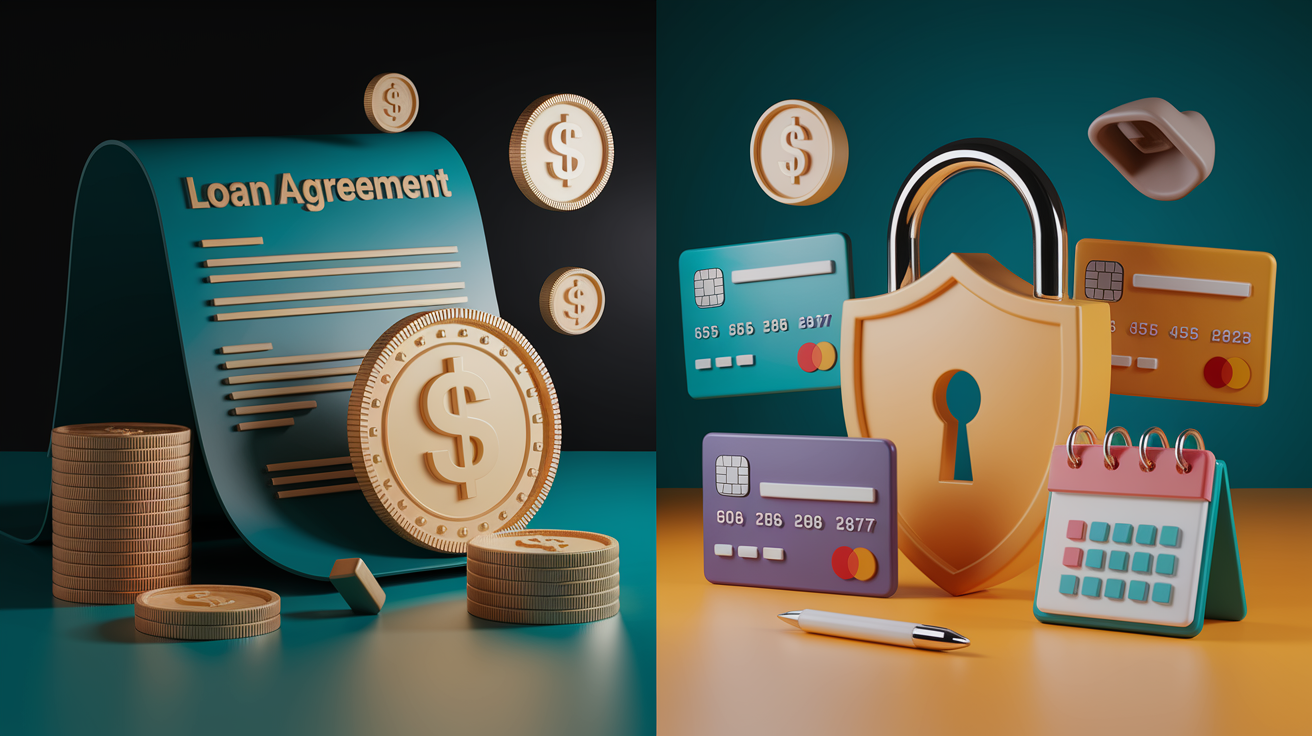
Consolidation loans and debt management programs handle your credit cards in completely different ways. A debt consolidation loan, whether secured or unsecured, pays off your credit card balances in full and replaces them with a single installment loan. Your cards stay open after the loan disburses, and you get back the full credit limit on each card, now with a zero balance. This can help your credit utilization ratio right away, since you’re shifting from high revolving balances to a fixed loan that doesn’t count against utilization calculations.
Debt management programs take the opposite route. Credit counseling agencies negotiate repayment terms directly with your creditors and require you to stop using enrolled cards as part of the deal. The program consolidates your monthly payments into one amount paid to the agency, which then distributes the funds to creditors under the revised terms. Your cards get closed or restricted, cutting off your access to new revolving credit throughout the 3 to 5 year program. The upside’s reduced interest and potentially forgiven fees. The downside’s a temporary loss of available credit and a notation on your credit report that marks accounts as “included in debt management plan.”
| Feature | Consolidation Loans | Debt Management Programs |
|---|---|---|
| Card account status | Remain open and available | Closed or frozen during repayment |
| Payment structure | Single fixed monthly payment | One payment distributed across multiple creditors |
| Typical fees | Origination fees around 8 percent | Flat monthly fee, typically about $25 |
| Credit utilization impact | Improves immediately by converting revolving debt to installment debt | May initially lower scores due to closed accounts, improves over time with on‑time payments |
Risks of Continuing to Use Open Credit Cards After Consolidation

If your cards stay open and accessible after consolidation, using them again can quickly undo the progress you just made. Running up new balances while you’re still paying off a consolidation loan means you’re carrying two debt obligations at once. Credit card interest rates hovered around a median of 24.37 percent in 2024, compounding faster than most consolidation loan rates. You end up paying interest on the same spending twice: once on the card and again on the loan that was supposed to replace that debt.
Another consequence shows up in your monthly cash flow. Your consolidation loan or program payment’s already a fixed obligation, and any new credit card balance adds a second required minimum payment. If you’re living close to your budget limits, that extra obligation can push you into late payments or force you to choose which bill to skip. Late payments damage your payment history, which accounts for about 35 percent of your FICO score.
Rebuilding revolving balances raises your credit utilization back above the recommended 30 percent threshold, which can lower your credit score after consolidation initially improved it by paying down cards. New card purchases during a balance transfer’s 0 percent promotional period often don’t receive the same rate protection and begin accruing interest at the ongoing APR immediately, sometimes near 30 percent. Continuing to rely on credit instead of adjusting spending habits increases the likelihood of needing a second consolidation or more severe debt relief, such as settlement or bankruptcy.
How Consolidation Affects Credit Utilization and Credit Scores
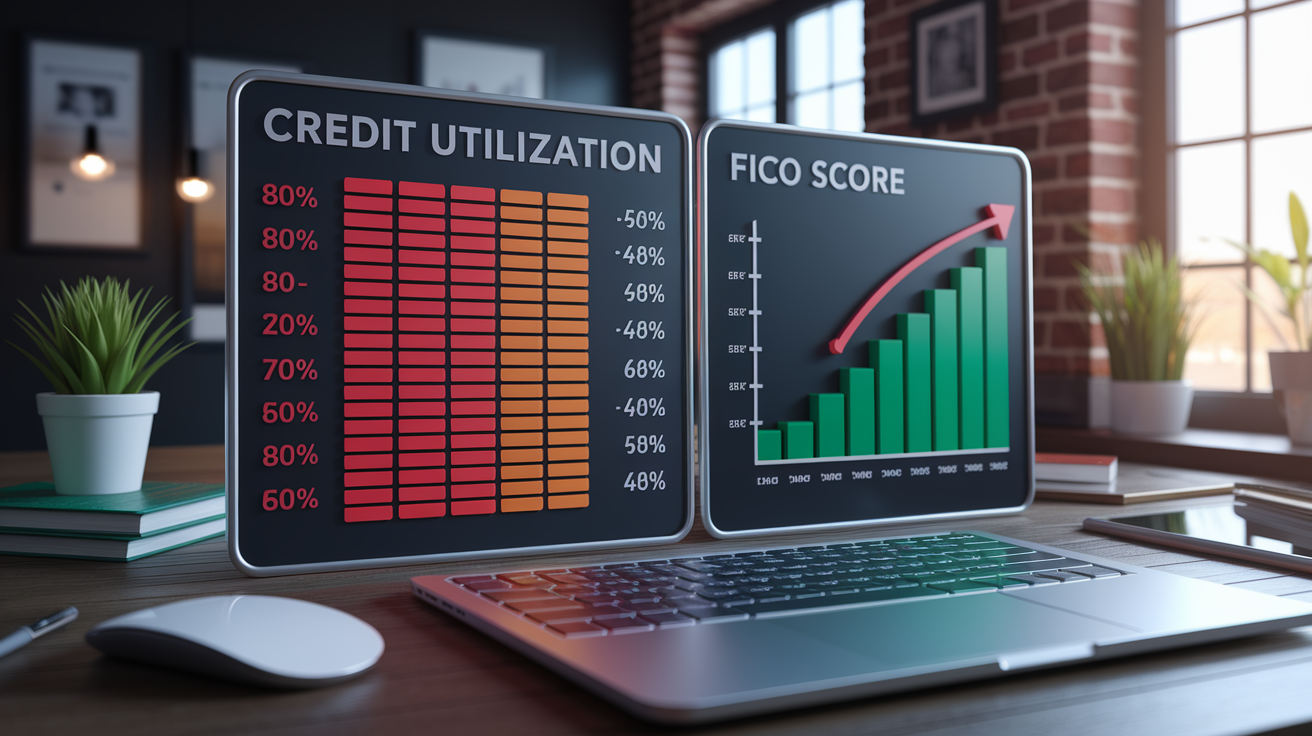
Consolidation changes your credit profile by shifting how much of your available revolving credit you’re using. Credit utilization, the ratio of your current card balances to your total credit limits, accounts for roughly 30 percent of your FICO score. When you pay off $10,000 in credit card debt using a personal loan, those card balances drop to zero and your utilization falls immediately. If your total credit limit across all cards was $20,000 and you were using $10,000, your utilization was 50 percent. After consolidation, it drops to 0 percent. That generally helps your score within one to two billing cycles.
Closing credit card accounts after consolidation reverses part of that benefit. If you close the cards you just paid off, you lose that available credit. In the example above, closing two cards with a combined $12,000 limit would leave you with only $8,000 in available revolving credit. If you kept one card open with a $2,000 balance for everyday expenses, your utilization jumps to 25 percent on the remaining $8,000 limit, compared to 10 percent if you’d kept all cards open. The lower your utilization, the better for your score. Most scoring models reward utilization below 30 percent and show stronger improvement below 10 percent.
Debt consolidation also affects the types of credit in your report. Replacing revolving credit card debt with an installment loan diversifies your credit mix, which makes up about 10 percent of your FICO score. Lenders view borrowers who can manage both revolving and installment accounts as lower risk. A new loan application triggers a hard inquiry, which may lower your score by a few points temporarily. But the long‑term effect of lower utilization and consistent on‑time loan payments typically outweighs that initial dip. Improvement becomes visible within a few months if you avoid adding new card balances and make every payment on time.
Recommended Actions to Take With Your Credit Cards After Consolidation

The best way to protect the progress you’ve made is to stop using cards that stay open after consolidation. If you’re confident you can avoid impulse spending, keeping cards open preserves your available credit and supports a lower utilization ratio. Locking or freezing your cards through your issuer’s mobile app prevents new purchases while keeping the account active, so you maintain the credit limit without the temptation to spend. Storing physical cards in a safe place out of reach can do the same thing.
If self‑control’s a concern, voluntarily closing cards may be the safer choice, even though it cuts your total available credit. Closing cards with annual fees makes sense to avoid paying for credit you’re not using. Closing newer accounts while keeping your oldest card open helps preserve your length of credit history, which contributes about 15 percent to your FICO score. Before closing any account, calculate how the lost credit limit will affect your utilization ratio, especially if you plan to keep any cards active for everyday use.
Set up automatic payments for your consolidation loan or debt management program to protect your payment history. That’s the single largest factor in your credit score. Monitor your credit report monthly for three to six months after consolidation to confirm that paid‑off balances are reported correctly and catch any issuer‑initiated limit reductions or closures. Avoid applying for new credit cards or loans for at least six months to let your credit profile stabilize and prevent additional hard inquiries from dragging your score lower.
If you must keep a card active for emergencies, choose one with a low limit, use it sparingly, and pay the balance in full each month to avoid interest charges above 20 percent.
Final Words
in the action: debt consolidation can leave credit cards open, have issuers freeze them, or lead to formal closures. Which outcome depends on whether you pick a consolidation loan, a debt management plan, or a creditor arrangement.
Expect some accounts to be restricted right away, rules from creditors, and short-term changes to your available credit. Read agreements and ask questions before you agree.
If you’re wondering what happens to credit cards after debt consolidation, stop new charges, confirm terms, and focus on steady payments. You’ll be better off with a clear plan.
FAQ
Q: What is the 7 year rule on credit cards?
A: The 7 year rule on credit cards means most negative items (late payments, charge‑offs) stay on your credit report for seven years from the date the account first went delinquent.
Q: Can I still use my credit card after the debt relief program?
A: You can use your credit card after a debt relief program only if the program and your creditor allow it; many programs freeze or require account closure, so check your agreement first.
Q: Why does Dave Ramsey say not to consolidate debt?
A: Dave Ramsey says not to consolidate debt because it can stretch payments, hide high interest, and enable continued card use; he recommends aggressive payoff methods like the debt snowball instead.
Q: Is it hard to get a credit card after debt consolidation?
A: Getting a credit card after debt consolidation can be harder, since lenders may see you as higher risk and some accounts may be closed; approval depends on score, program type, and payment history.