


Think consolidating debt will automatically save you money?
Not true for many people.
Too often a consolidation loan hides rate and fee traps, or it doesn’t fix the spending that caused the debt.
Before you sign anything, learn three simple checks: compare your weighted average APR to the new rate, add all upfront fees, and plan how you’ll stop using credit cards.
Do those and consolidation can help; skip them and you may pay more for longer.
Key Oversights That Can Undermine a Debt Consolidation Plan

Debt consolidation swaps multiple debts for a single loan, usually at a lower rate with one monthly payment. The biggest mistake? Taking a consolidation loan that doesn’t actually cut what you’ll pay over time.
Before you accept any offer, calculate your weighted average APR across all your current debts. Here’s how: if you’ve got $5,000 at 20% and $10,000 at 11%, multiply each balance by its rate ($5,000 × 0.20 = $1,000 and $10,000 × 0.11 = $1,100), add those charges ($1,000 + $1,100 = $2,100), then divide by your total debt ($2,100 ÷ $15,000 = 0.14, or 14%). Your new loan needs to come in below 14% APR to save you money.
If the consolidation loan APR is higher than your weighted average, you’re paying more interest, not less. But consolidation can still backfire even when the rate is right if you make other common mistakes.
Most consolidation mistakes fall into three categories:
Rate problems: accepting a loan that costs more than your current debt, misunderstanding promotional rates, or ignoring how loan term affects total interest.
Fee traps: overlooking origination fees, balance transfer charges, or prepayment penalties that drive up total cost.
Behavior failures: continuing to use credit cards after consolidation, skipping budget changes, or treating consolidation like a cure instead of a tool.
Avoiding High-Cost Debt Consolidation Errors Related to Interest Rates

A lot of advertised consolidation rates show the lowest possible APR, which only the most creditworthy borrowers get. If your credit score isn’t excellent, expect a higher rate. Accepting a loan based on the headline rate without checking your actual approved APR is one of the fastest ways to end up with more expensive debt.
Variable-rate loans (some personal loans, most HELOCs) can start low but climb over time. Balance-transfer credit cards advertise 0% APR for 12 or 18 months, but that promo rate expires and the post-promo APR can jump to 20% or higher. If you can’t pay off the balance before the window closes, you’ll face a much steeper rate on what’s left.
Five predictable interest mistakes:
- Ignoring the post-promo APR on balance transfer cards. A 0% offer sounds great until the rate jumps to 24.99% after 15 months and you still owe $8,000.
- Accepting teaser rates without reading the fine print. Some lenders quote low introductory rates that adjust upward after six months.
- Choosing the longest loan term to lower monthly payments. A 7-year consolidation loan at 12% can cost you far more in total interest than a 3-year loan at 14%, even though the monthly payment is lower.
- Unknowingly agreeing to a variable rate. HELOCs and some personal loans tie APR to an index. As the index rises, so does your payment.
- Not checking minimum credit score requirements. Applying to lenders who require a 720 score when yours is 640 wastes time, triggers hard inquiries, and lowers your score further.
Use prequalification tools (soft pulls) whenever possible to see realistic rate offers before a hard inquiry hits your credit report.
Fee-Related Debt Consolidation Mistakes That Increase Total Costs
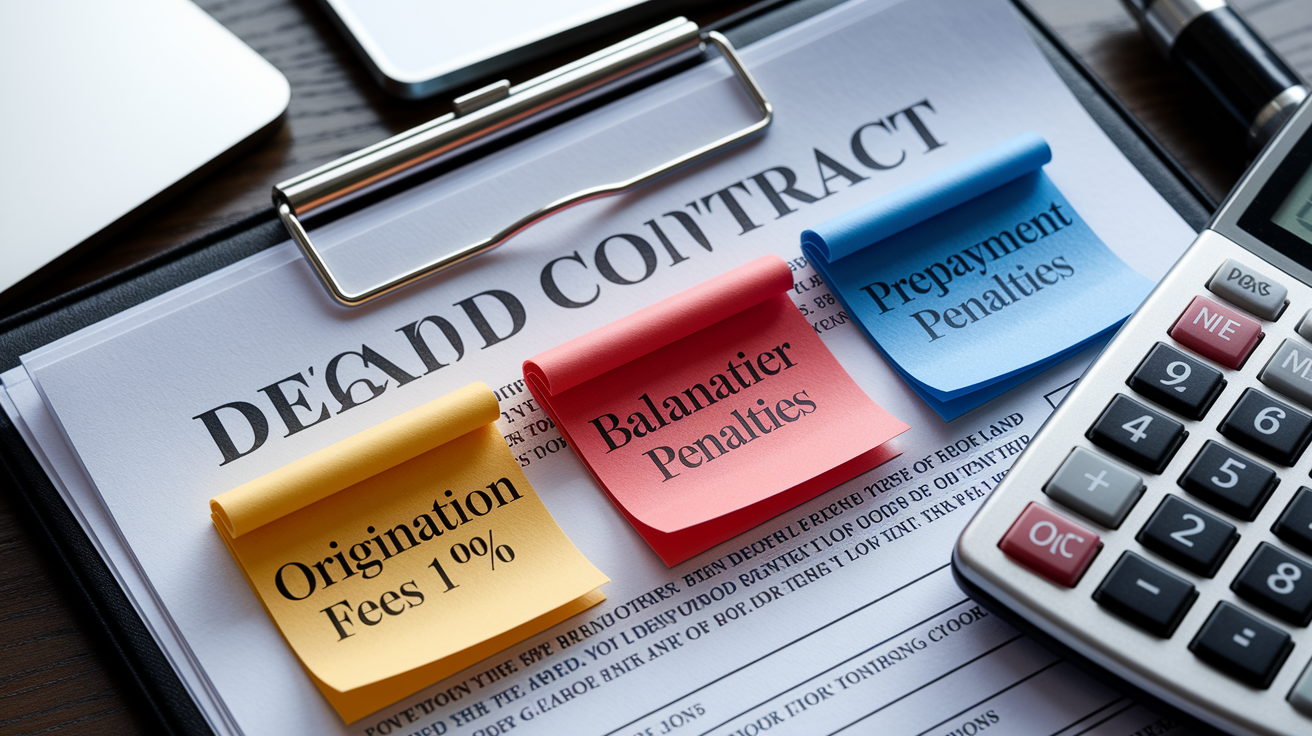
Hidden or misunderstood fees can erase the savings from a lower interest rate. Origination fees are common on personal loans, typically 1% to 6% of the loan amount. If you borrow $10,000 with a 5% origination fee, the lender deducts $500 and deposits $9,500 into your account, but you still owe $10,000 plus interest. You need to cover that $500 gap out of pocket if you intended to pay off exactly $10,000 in debt.
Balance transfer fees on credit cards usually run 3% to 5% of the transferred balance. Transferring $8,000 at 3% adds a $240 fee to your balance right away. If your promotional period is short and the post-promo rate is high, that fee can offset much of your interest savings.
Prepayment penalties matter if you plan to pay extra or pay off the loan early. Some lenders charge a fee if you eliminate the loan before a certain date, which punishes exactly the behavior that saves you the most money.
| Fee Type | Typical Range | Impact on Borrower |
|---|---|---|
| Origination fees | 1% to 6% of loan amount | Reduces proceeds; borrower may need to cover shortfall to fully pay off debt |
| Balance transfer fees | 3% to 5% of transferred balance | Increases starting balance on the new card, reducing interest savings |
| Prepayment penalties | Varies; often several months’ interest | Discourages or penalizes early payoff, locking in longer interest costs |
Behavioral Debt Consolidation Mistakes That Can Lead to Re-Accumulating Debt
Consolidation simplifies your repayment by replacing multiple bills with one monthly payment, but it doesn’t fix overspending. The most dangerous behavioral mistake is continuing to use credit cards after consolidation pays them off. When your card balances drop to zero, it’s tempting to treat that available credit as extra money. That pattern creates deeper total debt and can leave you worse off than before consolidation.
If you don’t address the habits or circumstances that led to debt in the first place, consolidation becomes a temporary patch. Building even a small emergency fund and creating a realistic budget aren’t optional steps. Without them, the first unexpected expense sends you back to borrowing.
Common behavior-driven consolidation failures:
Spending triggers you haven’t identified or managed. Stress, boredom, social pressure, or lifestyle inflation that pushes spending above income.
No emergency fund in place. Relying on credit cards to cover car repairs, medical bills, or job loss because there’s no cash cushion.
Keeping all credit cards active and easily accessible. Makes impulse spending frictionless. Consider freezing cards or switching to debit temporarily.
Using credit during the consolidation transition. Charging new purchases while waiting for the consolidation loan to pay off old balances.
Skipping the budget step entirely. Assuming consolidation alone will create financial discipline without tracking where money actually goes.
Believing consolidation eliminates debt risk. Consolidation reorganizes debt. Only sustained lower spending and higher income eliminate it.
Credit-Impacting Mistakes to Avoid When Consolidating Debt
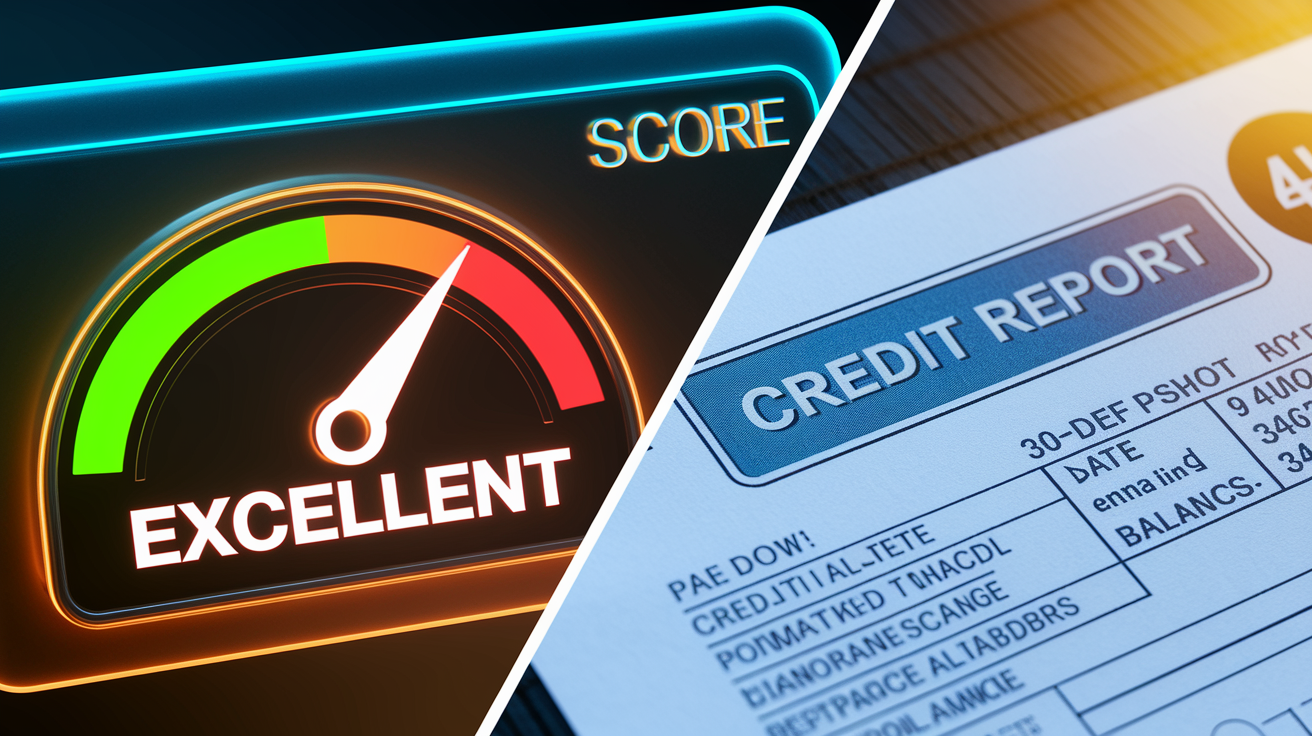
Debt consolidation can temporarily lower your credit score, especially if you open a new account or your credit utilization jumps during the transition. Closing old credit card accounts too soon is a frequent mistake. When you close a card, you lose that available credit, which can push your utilization ratio higher. You also shorten your average account age, which credit models factor into your score.
Credit utilization below 30% is the general target. If you carry $3,000 in total balances and have $10,000 in available credit, your utilization is 30%. Pay down to $2,000 and it drops to 20%, which helps your score. Consolidation works best when it lowers utilization without closing accounts.
Missing a payment by 30 days or more triggers serious credit damage and can add late fees from your lender. Even one missed payment during the consolidation transition, before your old creditors receive payoff funds, can cost you 50 to 100 credit score points. Continue making minimum payments on all accounts until you have written confirmation that each creditor received full payoff.
Managing Credit During the Transition
Obtain payoff letters or payoff amounts in writing from each creditor before your consolidation loan disburses. Payoff balances include interest accrued through the payoff date, which can be higher than your last statement balance. Send payments from your consolidation loan directly to creditors, or confirm your consolidation lender will do it for you.
Set up autopay for your new consolidation loan right away. Many lenders offer a small interest rate discount (often 0.25%) when you enroll in automatic payments. More importantly, autopay prevents the 30-day delinquency that wrecks your credit.
Check your credit report 30 to 60 days after consolidation to verify that old accounts show zero balances and are marked “paid” or “closed by consumer.” Dispute any errors with the credit bureau in writing as soon as you spot them.
Mistakes Linked to Debt Consolidation Scams and Unvetted Providers

Fraudulent debt consolidation companies promise quick fixes, demand large upfront fees, and deliver little or no actual relief. A legitimate lender or nonprofit credit counselor will charge fees transparently (usually as a percentage of the loan or as a monthly service fee), not as a large payment before any work begins.
Red flags that signal a scam or high-risk provider: pushy sales tactics, guarantees of specific credit score increases, requests for payment via wire transfer or prepaid cards, and no verifiable U.S. business address or state licensing. Phishing emails that mimic real lenders or debt relief services can steal your personal information, leading to identity theft on top of unresolved debt.
Watch for these specific warning signs:
Lack of independent online reviews or ratings below 4 stars. Reputable providers have transparent customer feedback and strong ratings from organizations like the Better Business Bureau.
High-pressure tactics and immediate deadlines. “This offer expires today” or “You must sign now to qualify.”
Large upfront fees before any service is delivered. Legitimate consolidation loans deduct origination fees from proceeds, but scam companies demand hundreds or thousands upfront.
Unverifiable credentials or vague business details. No physical address, no state licensing, generic website with stock photos.
Unsolicited contact offering “pre-approved” debt relief. Real lenders rarely cold-call or email unsolicited consolidation offers. Treat these as phishing attempts.
Consolidation Method Mistakes: Choosing the Wrong Type of Debt Consolidation
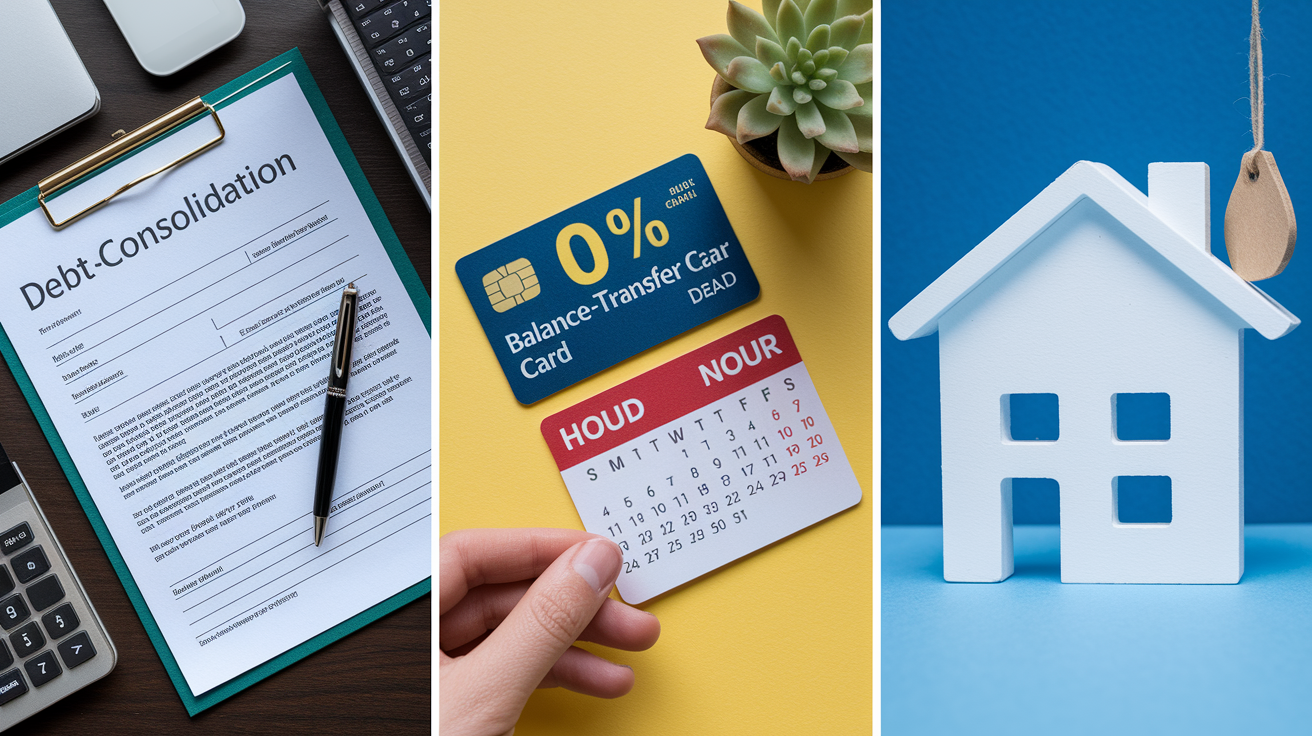
Home equity loans and HELOCs often offer the lowest interest rates and the highest borrowing limits, but they’re secured by your home. If you miss payments, you risk foreclosure. Using home equity to consolidate unsecured credit card debt converts unsecured obligations into secured debt, which increases your risk significantly.
Balance transfer credit cards work well if you can pay off the balance during the promotional 0% APR window, but transfer fees and short promo periods create traps. If you transfer $12,000 and the promo ends in 15 months, you need to pay $800 per month to clear it. Miss that pace and the remaining balance faces a high post-promo rate.
Personal loans provide fixed rates and predictable monthly payments, making them easier to budget. But if your credit score is low, personal loan APRs can be high enough that consolidation doesn’t save money. Personal loans also come with origination fees that reduce the net amount you receive.
Three consolidation methods and their best use cases:
Personal loan: best for borrowers with fair to good credit who need predictable fixed payments and can manage a 3- to 5-year term. Avoid if APR exceeds your weighted average rate.
Balance transfer card: best for borrowers with good to excellent credit who can pay off the full balance within the 0% promotional window. Watch transfer fees and confirm post-promo APR.
Home equity loan or HELOC: best for homeowners with strong equity and stable income who need large amounts at low rates. Use only if you’re confident in your ability to make every payment on time, since your home is collateral.
Payment-Timing Errors and Administrative Mistakes During Debt Consolidation

Failing to obtain accurate payoff amounts from your creditors before consolidation can leave small balances unpaid, which continue to accrue interest and hurt your credit. Payoff amounts include interest through a specific date and often differ from your last statement balance. Request payoff letters in writing and confirm the exact amount and the date through which interest is calculated.
Setting up autopay on your new consolidation loan prevents late payments, but double-check that the payment date, amount, and bank account are correct. An incorrect account number or insufficient funds on the autopay date can trigger a missed payment and a late fee.
Monitor your account statements for the first few months after consolidation to confirm that payments post correctly and that your old creditors received full payoff. Mistakes in lender transfer timing can cause missed payments on old accounts if the consolidation funds arrive late.
Common payment-timing and administrative errors:
Not confirming that payoff funds actually reached each creditor. Follow up with old lenders to verify zero balances and obtain confirmation letters.
Missing due dates during the transition period. Keep making minimum payments on old accounts until you see confirmation that consolidation funds posted.
Failing to set up autopay or setting it up incorrectly. Test the first autopay cycle manually to ensure it processes. Some lenders offer a rate discount for autopay enrollment.
Ignoring account statements after consolidation. Review statements monthly to catch errors, unauthorized charges, or lender mistakes in payment application.
Not obtaining written payoff confirmations. Verbal confirmations aren’t enough. Request and save written proof that each debt is paid in full.
Final Words
You learned how debt consolidation works and why the single biggest danger is taking a loan that doesn’t cut your total borrowing cost. The weighted APR example shows how easy it is to check if a new loan really saves you money.
The post covered rate-related mistakes, fee traps, behavior issues like reusing cards, credit impacts, scams, wrong product choices, and timing or admin errors that can undo the plan.
If you do one thing now, compare weighted APRs, factor in fees, and set one small budget rule. These mistakes to avoid when consolidating debt are avoidable, and steady steps will get you where you want to go.
FAQ
Q: Why does Dave Ramsey say not to consolidate debt?
A: Dave Ramsey says not to consolidate debt because consolidation can stretch payments, increase interest, and won’t fix overspending; he recommends the debt snowball for quick wins and better payment discipline.
Q: What two debts cannot be erased?
A: Two debts that typically cannot be erased are child support and recent federal tax debts; student loans are usually non-dischargeable too, except in rare, court-proved hardship cases.
Q: How much is the payment on a $50,000 consolidation loan?
A: The payment on a $50,000 consolidation loan depends on APR and term; for example, at 7% APR a 5-year payment is about $990/month, while a 10-year payment is about $575/month.
Q: How to pay off $30,000 in debt in 1 year?
A: To pay off $30,000 in one year you need roughly $2,500 monthly plus interest; make a tight budget, boost income, attack high-interest balances, set automatic payments, and cut nonessential spending.