


Stuck paying mostly interest each month?
With many credit cards charging 18% or higher, interest can feel like a second monthly bill.
You can consolidate those balances with a balance transfer card, a personal loan, or a debt management plan through a nonprofit counselor.
This post shows which option will save you the most interest, who each method fits best, and the simple first steps to take so you actually start lowering what you owe.
Core Ways to Consolidate Credit Card Debt

The quickest answer: you can consolidate credit card debt with a balance transfer credit card, a personal loan, or a debt management plan through a nonprofit credit counseling agency. Each option rolls multiple balances into one payment, usually at a lower interest rate.
Balance transfer cards let you move high interest balances onto a new card with a promotional 0% APR for 12 to 21 months. You get a window to pay down principal without accruing interest. Personal loans give you a lump sum at a fixed rate, which you use to pay off cards, then repay the loan in predictable monthly installments over a set term. Debt management plans consolidate your payments through a counseling agency that negotiates with creditors on your behalf, often securing lower rates and a structured 3 to 5 year repayment schedule.
Each method works best for different situations:
Balance transfer cards work best if you’ve got good to excellent credit, can pay off the balance before the 0% period ends, and want to avoid interest entirely.
Personal loans fit borrowers who need a fixed payment plan, have fair to good credit, or carry balances too large to transfer in full.
Debt management plans suit people with lower credit scores, large balances, or who need professional help staying on track over a longer timeline.
How Balance Transfer Credit Cards Work

A balance transfer card is a credit card that offers an introductory 0% APR period, often 12 to 21 months, on balances you move from other cards. During that window, every payment goes entirely toward reducing your principal instead of interest. To open a balance transfer card, you’ll typically need a FICO score around 670 or higher, and the card issuer will set a credit limit that determines how much debt you can move.
Most issuers charge a balance transfer fee, commonly 3% to 5% of the amount you transfer. If you move $5,000, a 4% fee adds $200 to your new balance, bringing the starting total to $5,200. That fee is a one time cost, but it reduces the interest you save, so you need to calculate whether the promotional period still delivers a net benefit. After the intro period expires, any remaining balance starts accruing interest at the card’s standard APR, which can be 18% to 25% or higher.
Here’s the process for completing a balance transfer:
- Apply for a balance transfer card and get approved with a specific credit limit.
- Request balance transfers online, by phone, or through the issuer’s app. You’ll provide account numbers and amounts for the cards you want to pay off.
- Wait 7 to 14 days for the transfers to process. The new issuer sends payments directly to your old creditors.
- Confirm each transfer posted and verify the old accounts show zero balances.
- Set up automatic payments to pay off the new balance before the 0% period ends. Divide the total by the number of promo months to find your minimum monthly target.
Using a Personal Loan to Consolidate Debt

A personal loan for debt consolidation gives you a fixed lump sum that you use to pay off your credit cards. Then you repay the loan in equal monthly installments over a set term, commonly 24 to 60 months. Because the loan has a fixed interest rate and a defined payoff date, your monthly payment stays the same, and you know exactly when you’ll be debt free.
Lenders set your APR based on your credit score, income, and debt to income ratio. Rates typically range from around 6% to 36%, with the lowest rates reserved for borrowers with excellent credit and stable income. Most lenders charge an origination fee, often 1% to 12% of the loan amount, that’s either deducted from the disbursement or added to your principal. If you borrow $10,000 with a 5% origination fee, you might receive $9,500 but owe $10,000, or receive the full $10,000 and owe $10,500, depending on the lender’s structure.
Personal loans work well when your current credit card APRs are in the high teens or twenties and you can qualify for a loan rate meaningfully lower than that average. They also simplify budgeting because the payment and due date don’t change. Some lenders will send the loan proceeds directly to your creditors, ensuring the cards get paid off immediately. The trade off is that you won’t get an interest free period like you would with a balance transfer card, so you’ll pay some interest every month until the loan is repaid.
| Loan Term | Typical APR Range | Common Use Case |
|---|---|---|
| 24–36 months | 6%–20% | Fast payoff with higher monthly payment |
| 48–60 months | 8%–25% | Lower monthly payment, longer timeline |
| 72+ months | 10%–36% | Maximum affordability, highest total interest |
Debt Management Plans Through Credit Counseling Agencies

A debt management plan is a structured repayment program offered by nonprofit credit counseling agencies. When you enroll, the agency contacts your credit card issuers to negotiate lower interest rates and waived fees, then consolidates all your card payments into a single monthly payment that you send to the agency. The agency distributes that payment to your creditors on your behalf, typically over a 3 to 5 year timeline.
DMPs don’t require a minimum credit score, which makes them accessible to borrowers who can’t qualify for balance transfer cards or low rate personal loans. The agency may reduce your interest rates, sometimes by half or more, and the plan keeps you on a fixed schedule that prevents missed payments. Most agencies charge a modest setup fee and a small monthly administration fee, often capped by state regulations. Reputable nonprofit agencies will review your full budget before recommending a plan.
Benefits and limitations of a debt management plan:
Benefit: Lower interest rates negotiated by the agency can save hundreds or thousands in interest over the repayment period.
Benefit: Single monthly payment simplifies tracking and reduces the chance of missing a due date.
Limitation: You’ll usually need to close your credit card accounts or agree not to use them during the plan, which can reduce your available credit and affect your utilization ratio.
Limitation: The plan typically lasts 3 to 5 years, longer than most balance transfer promotions or shorter term personal loans, so it requires sustained commitment.
Comparing Consolidation Options: Costs, Timelines, and Eligibility

Each consolidation method has different cost structures, repayment timelines, and credit requirements. The best choice depends on your credit profile and how quickly you can pay off the debt. Balance transfer cards offer the lowest cost if you can clear the balance during the 0% period, but they require strong credit and discipline to avoid carrying a balance into the high APR phase. Personal loans provide predictable payments and work for a wider range of credit scores, though you’ll pay interest from day one and possibly an origination fee. Debt management plans extend the timeline but offer the most support and the best chance of success for borrowers with damaged credit or large balances.
| Method | Typical APR | Fees | Credit Needed | Repayment Timeline |
|---|---|---|---|---|
| Balance Transfer Card | 0% intro (12–21 mo), then 18%–25% | 3%–5% transfer fee | Good to excellent (670+) | 12–21 months ideal |
| Personal Loan | 6%–36% | 1%–12% origination fee | Fair to excellent (580+) | 24–60 months common |
| Debt Management Plan | Negotiated (often 50% reduction) | Setup + monthly admin fee | No minimum | 36–60 months typical |
Pros and Cons of Each Debt Consolidation Method

Balance Transfer Credit Cards
Pro: You can avoid paying any interest if you pay off the balance before the 0% period ends.
Pro: No loan application or origination fee beyond the one time transfer fee.
Pro: Some cards also offer 0% APR on new purchases, giving you breathing room on both old and new expenses.
Con: Transfer fees of 3% to 5% add to your principal and reduce your savings.
Con: If you don’t pay off the balance in time, the remaining amount starts accruing interest at a high standard APR.
Con: Approval and high credit limits require good to excellent credit, which can exclude borrowers with lower scores.
Personal Loans
Pro: Fixed monthly payments and a set payoff date make budgeting straightforward.
Pro: Some lenders send funds directly to creditors, ensuring cards are paid off immediately.
Pro: Available to a wider range of credit scores, though rates vary significantly.
Con: You pay interest every month, so there’s no interest free window like with a balance transfer.
Con: Origination fees can range from 1% to 12%, reducing the net amount you receive or increasing the total you owe.
Con: Taking out a new installment loan adds a hard inquiry to your credit report and can temporarily lower your score.
Debt Management Plans
Pro: No minimum credit score required, making DMPs accessible when other options aren’t.
Pro: Agencies negotiate lower interest rates and may get fees waived, reducing your total cost.
Pro: Consolidated single payment and professional oversight help you stay on track over a long timeline.
Con: Plans typically last 3 to 5 years, longer than most balance transfer promotions or personal loans.
Con: You’ll usually need to close credit card accounts or stop using them, which can hurt your credit utilization and available credit.
Con: Not all creditors participate, so some of your cards may not qualify for reduced rates or inclusion in the plan.
How Consolidation Affects Your Credit Score

Applying for a new credit card or loan triggers a hard inquiry, which can drop your score by a few points temporarily. If you apply for multiple products within a short window, say three balance transfer cards in one week, you’ll rack up multiple inquiries, compounding the short term impact. Most hard inquiries fall off your report after two years and stop affecting your score after one year, so the dip is temporary as long as you don’t miss payments afterward.
Consolidation can improve your credit over time if it lowers your credit utilization ratio and keeps you current on payments. Utilization measures how much of your available credit you’re using. Paying off revolving balances with a personal loan converts that debt to an installment account, which doesn’t count toward utilization. If your cards had a combined limit of $15,000 and you were using $10,000 (67% utilization), paying them off with a loan drops your utilization to 0% on those cards, which can boost your score significantly within a billing cycle or two. Consistent on time payments on the new loan or balance transfer card reinforce positive payment history, the largest factor in your credit score.
Short term and long term credit score impacts:
Short term: Hard inquiry may lower score by 5 to 10 points. Multiple applications can multiply this effect.
Short term: New account lowers the average age of your credit history, which can reduce your score slightly.
Long term: Lower utilization from paid off cards can increase your score by 20 to 50 points or more, depending on starting utilization.
Long term: Sustained on time payments build positive history and strengthen your score over months and years.
Step by Step Guide to Starting the Consolidation Process

Start by listing every credit card balance, interest rate, and minimum payment so you know the total debt you’re consolidating and your current weighted average APR. Pull your credit report to confirm all balances match and check your credit score, since your score determines which consolidation options you’ll qualify for and what rates you’ll receive.
- Calculate your total outstanding credit card debt and make a list with each account’s balance, APR, and monthly minimum payment.
- Check your credit score using a free service or your bank’s app to understand which consolidation products you’re likely to qualify for.
- Compare offers from at least three lenders or card issuers. Look at APRs, fees, repayment terms, and whether the lender pays creditors directly.
- Run the numbers. Add any transfer or origination fees to your principal, then use a loan calculator to estimate your monthly payment and total interest paid under each option.
- Choose the option with the lowest total cost and a monthly payment you can afford. Make sure the timeline aligns with your income stability and budget.
- Submit your application, providing income documentation, employment details, and the list of debts you want to consolidate.
- Once approved and funded, confirm that your old credit card balances have been paid off, then set up automatic payments on your new loan or card to avoid missed due dates.
Alternatives if Consolidation Isn’t the Right Fit
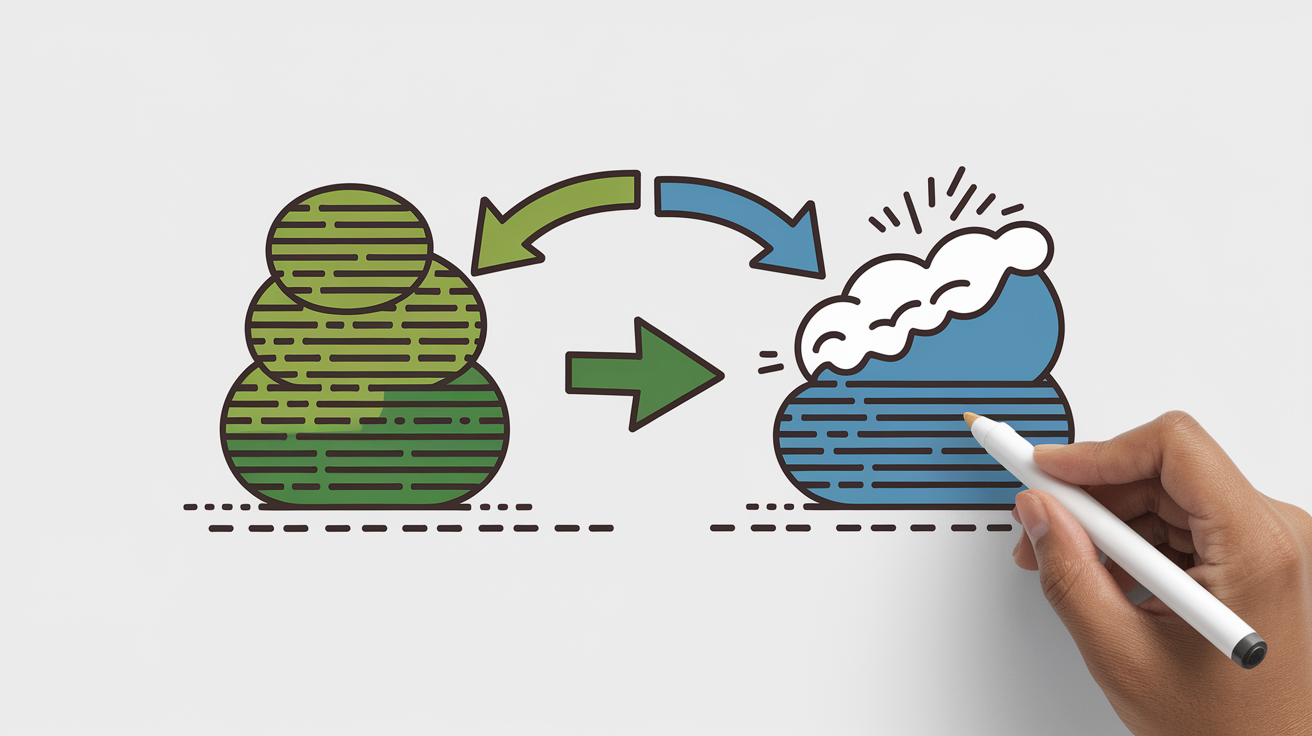
If you can’t qualify for a lower interest rate or your balances are small enough to pay off quickly without consolidating, a do it yourself payoff strategy may be simpler and cheaper. The debt snowball method focuses on paying off your smallest balance first while making minimums on the rest, then rolling that payment into the next smallest balance. It’s not the mathematically optimal approach, but the quick wins can keep you motivated. The debt avalanche method targets the highest interest debt first, minimizing total interest and saving the most money over time, though it may take longer to see a balance disappear.
Some issuers offer hardship programs that temporarily lower your interest rate or minimum payment if you’re facing job loss, medical bills, or another financial shock. You’ll need to call and ask. These programs aren’t advertised, and approval depends on your account history and the issuer’s policies. Balance negotiation is another option. Contact your card issuer and ask if they’ll reduce your APR or waive fees. Success varies, but longtime customers with good payment history often get better results.
Alternatives to consolidation:
Debt snowball: Pay off smallest balance first for quick motivation, then move to the next smallest.
Debt avalanche: Pay off highest interest debt first to minimize total interest paid.
Hardship programs: Temporary interest rate reductions or payment plans offered by card issuers during financial emergencies.
Balance negotiation: Call and request a lower APR or fee waivers. Works best for customers with strong payment history.
Increase income or cut expenses: Use a side job, freelance work, or budget cuts to free up extra cash for faster payoff without a new product.
Tools, Calculators, and Timelines to Plan Your Payoff

Before committing to any consolidation option, use a debt payoff calculator to model your current trajectory and compare it against consolidation scenarios. Input your balances, APRs, and planned monthly payment to see how long payoff will take and how much interest you’ll pay. Then run the same numbers with a consolidation APR and any fees added to your principal. The difference in total interest and payoff timeline shows whether consolidation delivers real savings or just shifts the numbers around.
Most consolidation timelines range from 12 months for aggressive balance transfer payoffs to 60 months for longer personal loans or debt management plans. Shorter timelines mean higher monthly payments but lower total interest. Longer timelines reduce your monthly obligation but increase the cumulative cost. The right timeline depends on your monthly budget, income stability, and how quickly you want to be debt free.
Planning resources to use:
Credit card payoff calculators: Enter current balances, APRs, and monthly payments to estimate payoff date and total interest. Then model consolidation scenarios by adjusting the APR and adding fees.
Loan comparison tools: Input offers from multiple lenders side by side to compare monthly payments, total interest, and fees over the full term.
Timeline benchmarks: Balance transfers work best on 12 to 21 month timelines. Personal loans typically run 24 to 60 months. Debt management plans stretch 36 to 60 months.
Final Words
in the action, we covered three ways to consolidate credit card debt: balance transfers, personal loans, and debt management plans, and explained costs, credit effects, and when to use each.
If you have good credit, a 0% balance transfer moves debt fast. If you need steady payments, use a personal loan. If you’re behind, a debt management plan gives negotiated rates and a 3-5 year schedule.
Do one thing: total your card balances and compare one consolidation offer. That’s a real first step on how to consolidate credit card debt, and you can build from there.
FAQ
Q: Does debt consolidation hurt your credit score?
A: Debt consolidation can temporarily lower your credit score due to hard inquiries or closed accounts, but it often helps long term by reducing credit utilization and making on-time payments easier.
Q: How do I combine all my credit cards into one payment?
A: To combine all your credit cards into one payment, total your balances, choose a method (balance transfer, personal loan, or debt-management plan), move the debts, then set one automatic monthly payment.
Q: Is it worth it to consolidate your credit card debt?
A: Consolidating your credit card debt is worth it if you’ll lower overall interest or simplify payments and can avoid new charges; always compare fees, rates, and how long it will take to pay off.
Q: What is the 2 3 4 rule for credit cards?
A: The 2 3 4 rule for credit cards isn’t a single industry standard; different sources use it differently, so check the lender or article that mentions it for the exact meaning.