


Think credit bureaus catch every mistake? Think again.
Errors are more common than you expect, and a single wrong late payment can raise your interest rate or cost you a loan.
You don’t have to accept that.
This post shows the exact steps to spot errors, gather proof, file disputes with each bureau, and follow up until corrections stick, and start by requesting your free reports at AnnualCreditReport.com and print them.
Immediate Steps to Start the Credit Report Dispute Process
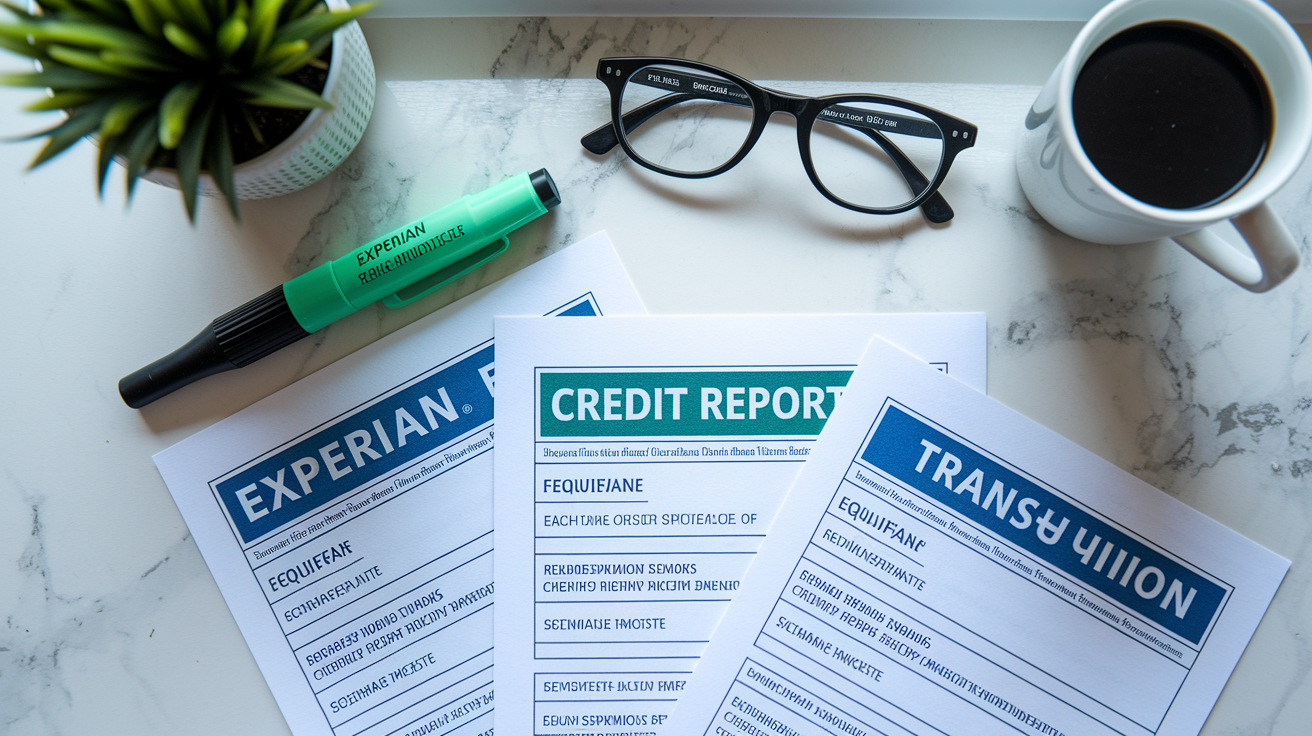
You’re entitled to one free credit report every 12 months from each of the three major credit bureaus: Experian, Equifax, and TransUnion. To request these reports, visit the official Annual Credit Report service at AnnualCreditReport.com or call 877-322-8228. You can request all three at once or space them out throughout the year to monitor your credit more frequently.
Reviewing reports from all three bureaus matters because lenders don’t always report to every bureau. An error on one report may not appear on the others. But a mistake appearing on just one bureau’s report can still hurt you if a lender checks that specific report when you apply for a mortgage, auto loan, or credit card. Each bureau compiles information independently, so discrepancies happen.
Common errors to watch for include incorrect personal information (misspelled name, wrong address, transposed Social Security number digits), duplicate accounts, accounts you don’t recognize (possible identity theft), outdated negative information that should have been removed, incorrect account statuses (showing late payments you made on time), and wrong balances or credit limits.
Here’s what to do next:
- Request your free credit reports from all three bureaus using the official annual report service or by calling the provided phone number.
- Download or print each report immediately after receiving access.
- Review every section carefully. Personal information, account details, payment histories, inquiries.
- Mark or highlight any information that appears incorrect, outdated, or unfamiliar.
- Create a simple list of each error, noting which bureau’s report it appears on and what specifically is wrong.
How to Identify Different Types of Credit Report Errors

Credit report errors generally fall into six categories. Knowing which type you’re dealing with helps you gather the right evidence and explain the problem clearly. Identity related mistakes include misspelled names, incorrect Social Security numbers, wrong birth dates, or addresses you’ve never lived at. These often result from data entry errors or mixed files (when the bureau confuses you with someone who has a similar name or Social Security number).
Account status errors are among the most damaging because they directly affect your credit score. These include accounts incorrectly marked as late when you paid on time, accounts showing as open when you closed them, charge offs or collections that aren’t yours, accounts listed as “settled” or “paid as agreed” that should show a different status, duplicate accounts (the same debt listed twice), and accounts with wrong balances or credit limits. Fraudulent accounts, where someone opened credit in your name without permission, require immediate action and additional documentation like police reports.
The most common types of credit report errors are:
Personal information mistakes. Wrong name spelling, old addresses still listed as current, incorrect Social Security number or date of birth.
Payment history inaccuracies. Late payments recorded when you paid on time, missing records of on-time payments.
Account ownership errors. Accounts that belong to someone else (ex spouse, parent, identity theft victim).
Balance and limit errors. Incorrect outstanding balances, wrong credit limits making utilization appear higher.
Outdated negative items. Bankruptcies older than 10 years, other negatives past the 7 year reporting limit.
Fraudulent accounts. Credit cards, loans, or accounts opened by someone using your identity.
Organizing Documentation to Support Your Dispute
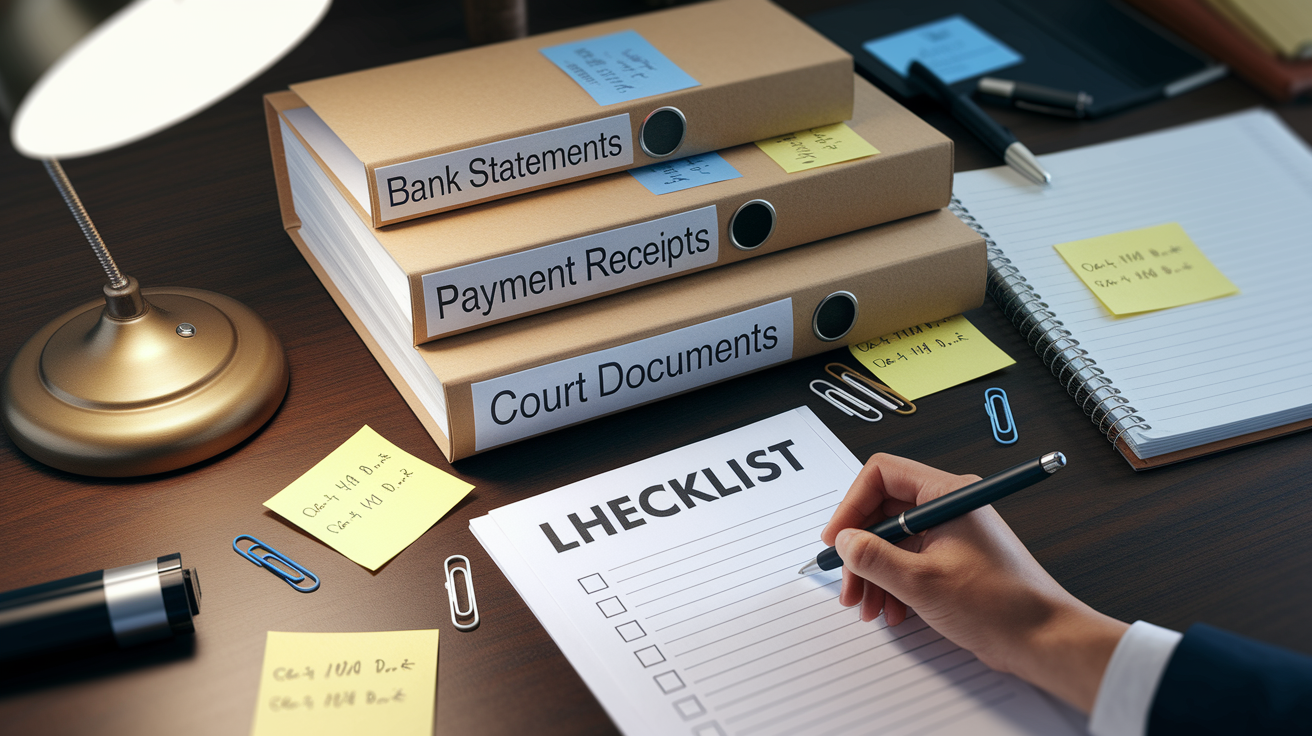
The credit bureaus and lenders will only correct errors if you can prove the information is wrong. Gather evidence before you file, because you’ll need to send copies (never originals) with your dispute. The stronger your documentation, the faster and more likely the bureau will rule in your favor.
Organize your documents by labeling each one with the account name, date, and what it proves. For example, label a bank statement “Chase Auto Loan – Payment Confirmation – March 2024 – Proves On-Time Payment.” Keep digital and physical copies in a dedicated folder or file, and create a simple list that matches each disputed item to the supporting documents you’re including. This list acts as a table of contents for your dispute package.
Types of documents that support credit disputes:
Bank statements or canceled checks. Proof you made a payment that was incorrectly marked late or missing.
Billing statements or account statements. Showing correct balances, payment history, or account closure dates.
Letters from creditors. Written confirmation of paid off balances, account closures, or corrections to reporting errors.
Police reports or identity theft affidavits. Required if disputing fraudulent accounts opened in your name.
Court documents. Discharge papers for bankruptcy, divorce decrees showing division of debt responsibility, or legal judgments.
Submitting Disputes to Each Credit Bureau
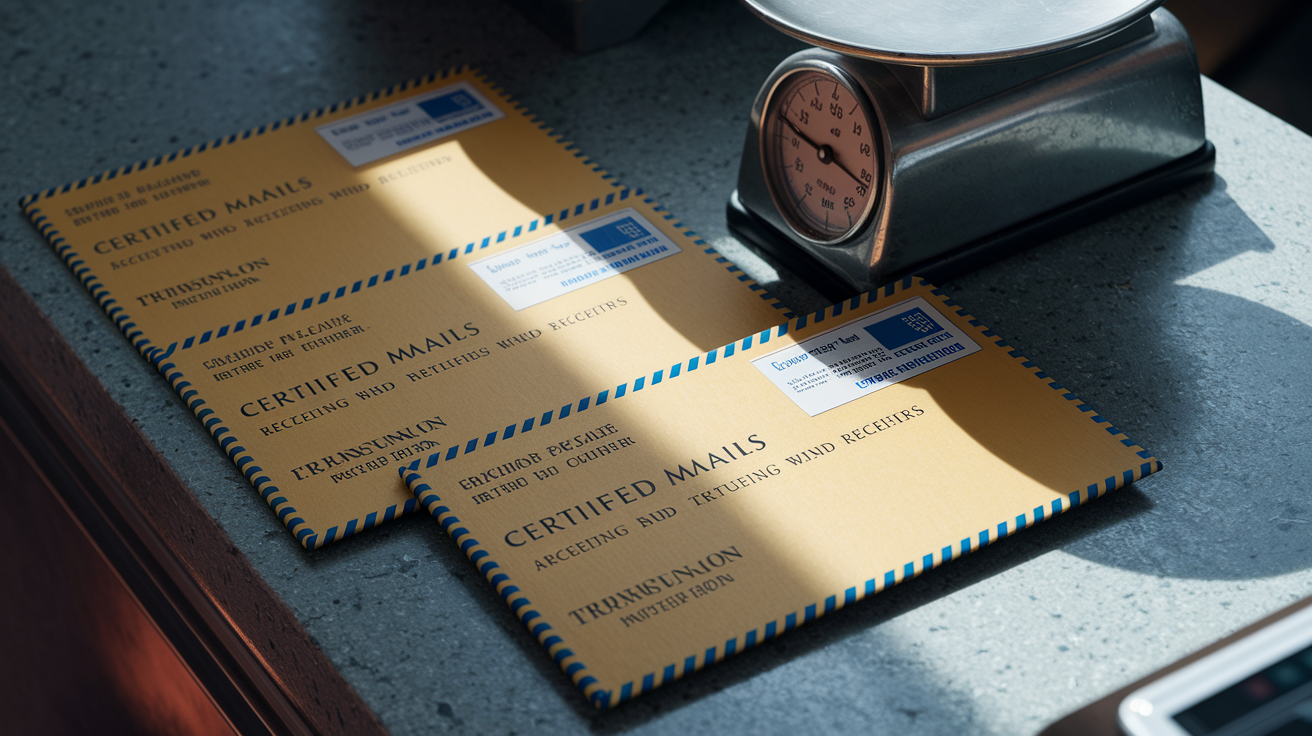
Each credit bureau operates independently, so you must file a separate dispute with every bureau that’s reporting the error. If the mistake appears on all three reports, you’ll send three disputes. If it only shows up on one, dispute it with that bureau alone. Filing with one bureau doesn’t automatically notify the others.
All three bureaus accept disputes online through their websites, by phone, or by mail. Online filing is fastest for simple errors like incorrect addresses or account closures, but mailed disputes let you include physical copies of supporting documents and create a paper trail with delivery confirmation. For major disputes (like an incorrect bankruptcy or large fraudulent debt), send your dispute via certified mail with return receipt requested so you have proof the bureau received it. Phone disputes are convenient but don’t provide the same documentation trail.
Under the Fair Credit Reporting Act, credit bureaus must investigate your dispute within 30 days of receiving it. They forward your information to the company that furnished the data (the lender or creditor), which must then review the dispute and report back. After the investigation, the bureau will send you written results and, if any changes were made, a free updated copy of your credit report.
| Bureau | Methods to File | Typical Response Time |
|---|---|---|
| Equifax | Online at equifax.com, by mail, or by phone | 30 days for investigation and written results |
| Experian | Online at experian.com, by mail, or by phone | 30 days for investigation and written results |
| TransUnion | Online at transunion.com, by mail, or by phone | 30 days for investigation and written results |
What Happens During the Investigation Timeline

Once the credit bureau receives your dispute, it must forward all relevant information you provided to the data furnisher (the lender, creditor, or collection agency that reported the item). The furnisher is required to investigate your claim, review any documents you submitted, and check its own records to verify whether the information it reported was accurate. This investigation typically takes up to 30 days, though the bureau may request additional time if you send new supporting documents partway through the process.
During the investigation, the furnisher will either confirm the information is correct, update it to reflect accurate details, or agree to delete the item entirely if it can’t be verified. The bureau then updates your credit report based on the furnisher’s response. If the furnisher doesn’t respond within the required timeframe, the bureau may remove the disputed item by default.
After the investigation concludes, the credit bureau must send you a written summary of the results. If the dispute led to any change on your report, the bureau will provide a free updated copy of your credit report showing the correction. If you request it, the bureau must also send notices of the correction to anyone who received your credit report in the past six months (or two years if the report was pulled for employment purposes). This ensures that lenders or employers who saw the incorrect information are notified of the update.
Following Up After Submitting a Dispute
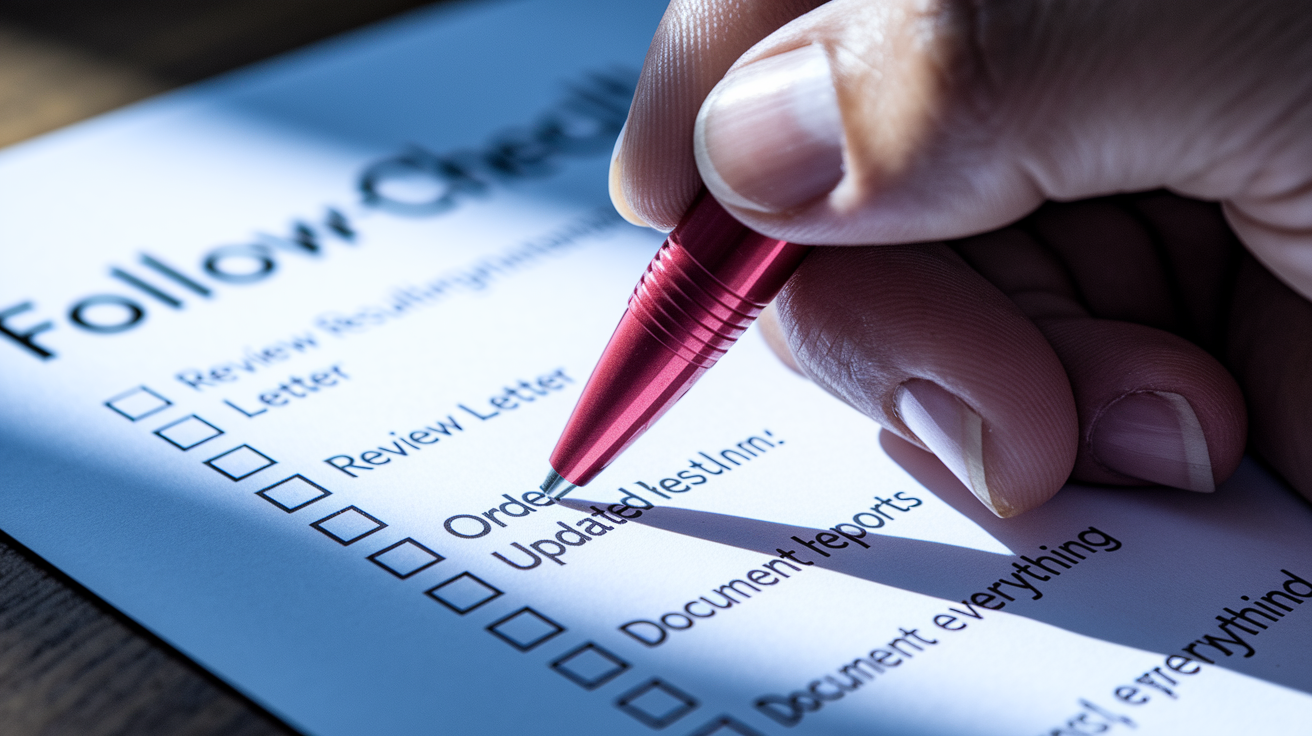
Wait about 30 days after submitting your dispute, then check in with the credit bureau if you haven’t received a response. You should get written results even if the bureau decides not to make a change. If the bureau ruled in your favor and corrected the error, request a fresh copy of your credit report from all three bureaus to confirm the fix was applied everywhere. Sometimes corrections take a few extra days to show up across all systems.
If the disputed item was changed or removed, monitor your credit over the next few months to make sure the error doesn’t reappear. Occasionally, a furnisher will continue reporting old, incorrect data in the next reporting cycle. The mistake shows up again. If that happens, you’ll need to dispute it a second time and escalate with the furnisher directly.
Key follow up tasks after receiving dispute results:
Review the written explanation. Understand whether the item was corrected, deleted, or verified as accurate, and why.
Order updated credit reports. Confirm the correction appears on all three bureaus’ reports if the error was on multiple reports.
Request correction notices. Ask the bureau to notify lenders or employers who recently pulled your report so they see the updated information.
Document everything. Keep copies of the results letter, updated reports, and any correspondence in your dispute file for future reference.
Credit Dispute Letter Templates
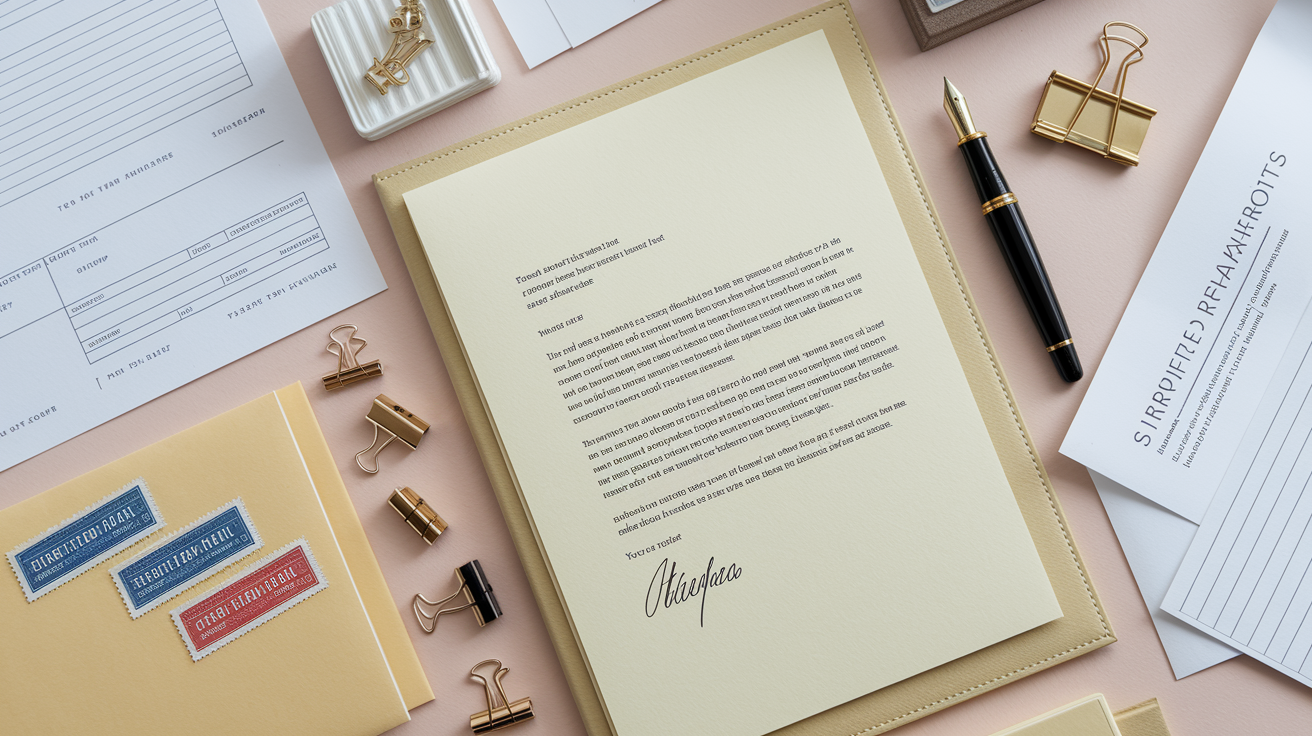
A well structured dispute letter clearly identifies the error, explains why it’s wrong, and includes supporting evidence. Keep the tone factual and direct. Start with your full name, current address, Social Security number (last four digits are often sufficient for security), and date of birth so the bureau can locate your file. Then list each disputed item separately, referencing the account name, account number (if applicable), and exactly what is incorrect.
For each error, state the facts. For example, “The report shows a late payment on my ABC Bank credit card in March 2024. I made that payment on time, as shown in the enclosed bank statement dated March 5, 2024.” Request that the bureau investigate and correct or remove the inaccurate information. Attach copies of your supporting documents and include a copy of your credit report with the disputed items circled or highlighted. Send the letter via certified mail, return receipt requested, and keep a copy of everything for your records.
Required components of an effective credit dispute letter:
- Your identifying information. Full legal name, current mailing address, Social Security number (or last four digits), date of birth.
- Clear subject line or reference. “Formal Dispute of Inaccurate Information” or similar, with the date you’re writing.
- List of disputed items. For each error, include the creditor name, account number, and the specific piece of information that’s wrong.
- Explanation of why each item is incorrect. One or two sentences per item stating the facts and what should be corrected.
- Request for action. Ask the bureau to investigate, correct, or delete each disputed item.
- Copies of supporting evidence. Enclose bank statements, payment receipts, letters from creditors, or other documents. Label each and reference them in your letter.
Rights Under the Fair Credit Reporting Act (FCRA)
The Fair Credit Reporting Act (FCRA), codified at 15 U.S.C. § 1681, gives you specific legal protections when dealing with credit bureaus and the companies that report information to them. You have the right to dispute any information you believe is inaccurate or incomplete, and the bureau must investigate your claim. Bureaus can’t ignore disputes or dismiss them without a valid reason.
You also have the right to know who has accessed your credit report. Bureaus must provide a list of everyone who received your report in the past 12 months for most purposes, or in the past 24 months if the report was used for employment screening. If a lender, insurer, or employer denies your application based on information in your credit report, you’re entitled to a free copy of that report within 60 days of the denial.
After a dispute investigation, if the bureau makes any change to your report, it must send you a free updated copy. You can also request that the bureau notify anyone who received your report in the last six months (two years for employment) about the correction, ensuring that the people or companies who saw the error are informed of the fix. The FCRA requires that accurate negative information generally be removed after seven years (ten years for bankruptcies), so items older than those timeframes should not appear on your report and can be disputed for removal based on age alone.
What to Do If Your Dispute Is Rejected
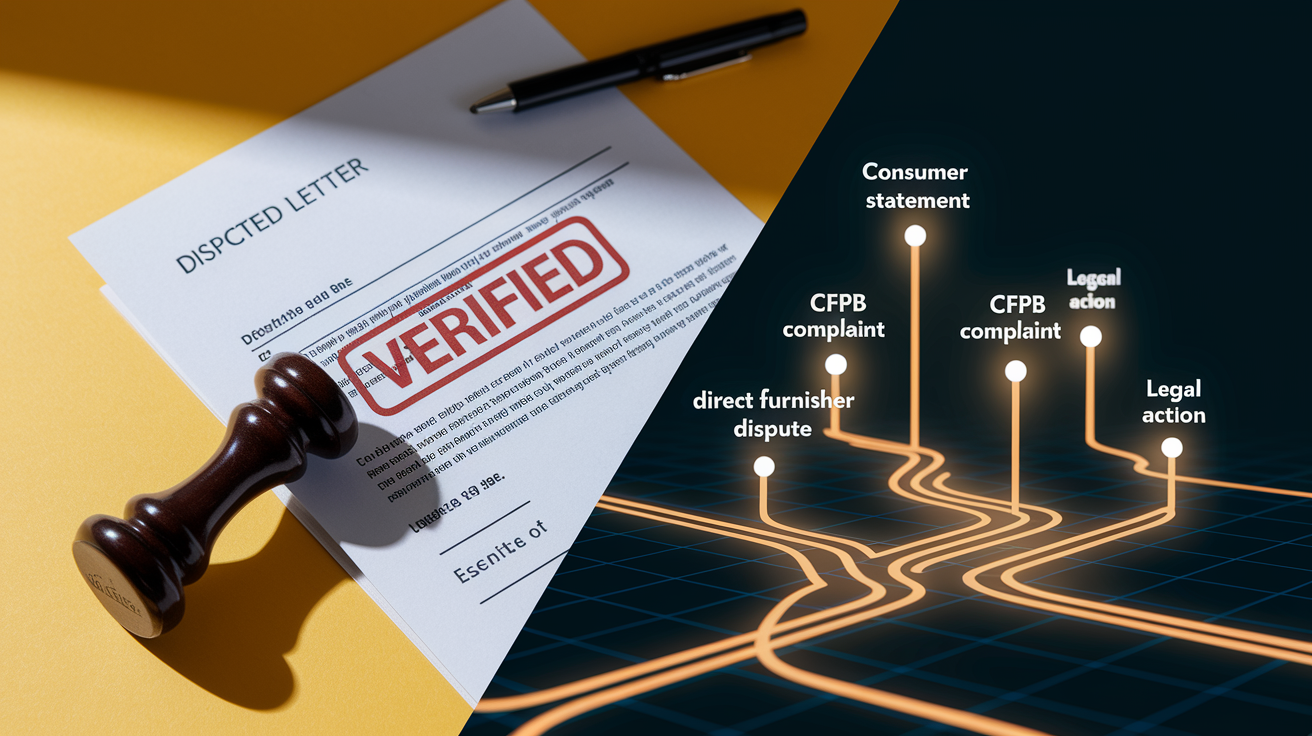
If the credit bureau investigates and decides the information is accurate, it will send you a letter explaining the outcome and why no change was made. This doesn’t mean you’re out of options. Review the explanation carefully. Sometimes the bureau or furnisher simply verified the account exists without actually checking the specific detail you disputed (like the payment date). If that’s the case, gather additional or clearer documentation and file a second dispute with more explicit evidence.
You can also bypass the bureau and contact the data furnisher directly. Send a dispute letter to the creditor or lender that reported the information, including your evidence and a clear explanation of the error. Under the FCRA, furnishers have a duty to investigate disputes and correct inaccuracies in their own records. If the furnisher agrees the information is wrong, it must notify all three credit bureaus to update your reports.
If neither the bureau nor the furnisher will correct an error you believe is wrong, you have escalation options:
Add a consumer statement. You can ask the credit bureau to include a brief written statement (typically 100 words) in your credit file explaining your side of the dispute. Future lenders will see this statement when they pull your report.
File a complaint with the Consumer Financial Protection Bureau (CFPB). Call 855-411-2372 or submit a complaint online. The CFPB will forward your complaint to the company and work to get a response.
Dispute directly with the furnisher. Send a certified letter with evidence to the creditor, collection agency, or lender that supplied the information, demanding correction.
Consider legal action under the FCRA. If a bureau or furnisher violates your rights (for example, by failing to investigate or by continuing to report information it knows is inaccurate), you may be able to sue for damages. Consult a consumer rights attorney for guidance.
Final Words
Start by pulling your free reports from each bureau, spotting mistakes, and gathering proof. This guide walked you through immediate steps, how to spot different error types, organizing documents, submitting disputes to Equifax, Experian, and TransUnion, and what to expect during the 30-day investigation.
Then we covered follow-up tasks, sample dispute letters, your FCRA rights, and escalation choices if a dispute is denied. If you’re ready to act, use these steps to learn how to dispute errors on credit report, keep checking until everything’s fixed, and move forward with more confidence.
FAQ
Q: How to remove errors from a credit report?
A: To remove errors from a credit report, get free reports from all three bureaus, gather proof, file a dispute online or by certified mail with documentation, and follow up until corrected or removed.
Q: What are the two most common mistakes on credit reports?
A: The two most common mistakes on credit reports are identity or account mix-ups (wrong name, duplicate accounts) and inaccurate payment or balance reporting (mistaken late payments or wrong balances).
Q: Do 609 letters actually work?
A: 609 letters can sometimes work when a bureau fails to verify an item, but they aren’t guaranteed; filing a formal dispute with documentation under the FCRA gives a stronger, documented chance of correction.
Q: What’s a good reason to dispute a credit report?
A: A good reason to dispute a credit report is any inaccurate information—wrong identity details, duplicate or fraudulent accounts, incorrect balances, or wrongly reported late payments—because these errors can harm your score.