


Believe it or not, you don’t need years of U.S. history to build credit.
With the right ID and a few starter products, like an SSN or ITIN, a secured credit card, becoming an authorized user, and rent or utility reporting, you can create a reliable credit file in a few months.
This post lays out those proven steps, explains the trade-offs, and shows the small mistakes that can wipe out months of progress.
If you only do one thing this week, get an SSN or ITIN and open a U.S. bank account.
How to Start Building Credit as a New Immigrant (Fast)
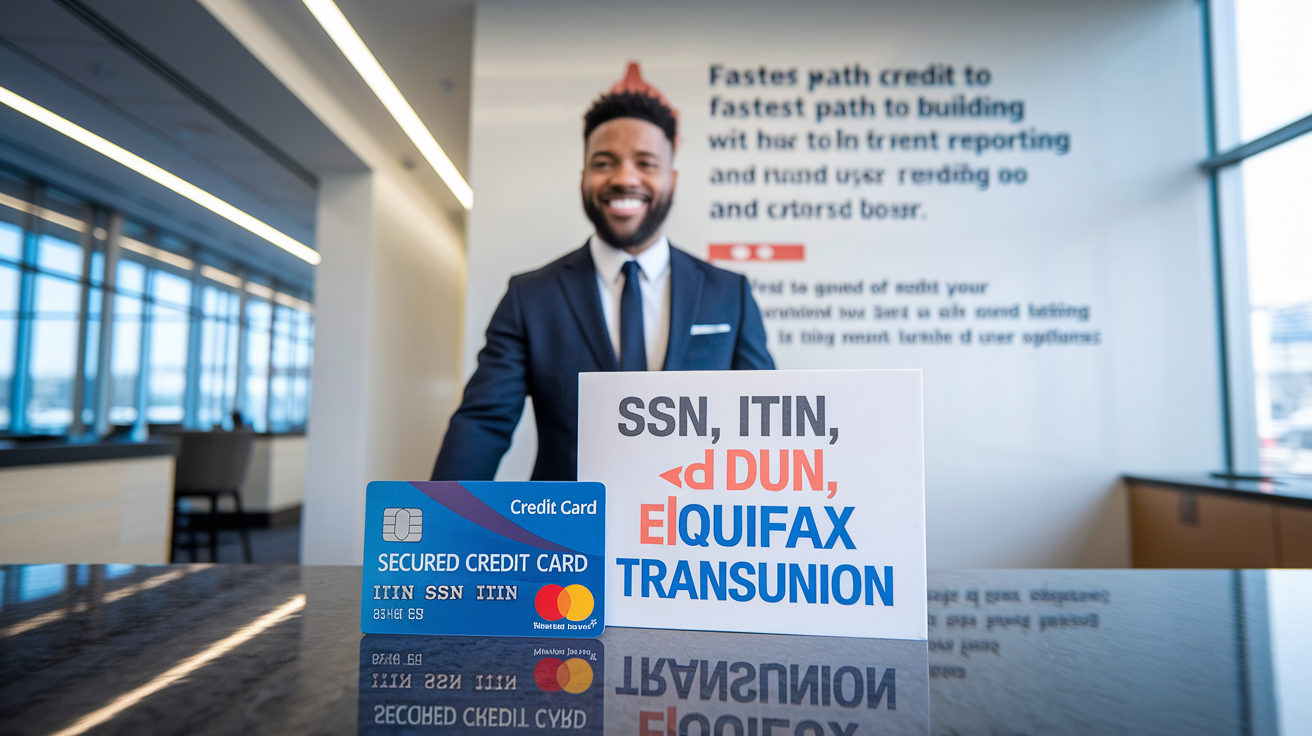
You can start building U.S. credit as soon as you’ve got the right ID and a basic bank account. The fastest path? Stack a few low-barrier credit products that actually report to Equifax, Experian, and TransUnion. You won’t have a credit score right away. Most immigrants need at least one to three months of reported activity before a score shows up.
Speed matters. But accuracy matters more. Miss a payment or max out a card, and you’ll lose months of progress. Pick products you can handle responsibly from the start.
Here’s the fastest combo:
-
Get an SSN or ITIN. Without one, most banks and credit issuers won’t even look at your application. A Social Security Number usually requires work authorization or student status. An Individual Taxpayer Identification Number is available to resident and nonresident aliens who don’t qualify for an SSN.
-
Open a secured credit card. You’ll put down a refundable deposit, usually $200 to $500, which becomes your credit limit. Approval odds are high even if you’ve never had U.S. credit. The issuer reports your payments every month.
-
Use alternative payment reporting. Services that report rent, utilities, and phone bills can add up to 24 months of payment history to your file. These usually need an SSN and a bank account.
-
Become an authorized user. If someone you trust adds you to their credit card, you can inherit years of positive payment history. Many issuers accept ITINs for authorized users and report to all three bureaus.
Understanding Credit Requirements for New Immigrants

Before you apply for anything, you need proof of identity and a tax ID number. Most lenders accept either an SSN or an ITIN, but the SSN opens more doors. Banks and card issuers use these numbers to identify you, track your credit activity, and report payments to the bureaus.
If you’ve got an ITIN, you can still access starter credit products. Some banks and credit unions work with ITIN applicants, especially if you already have an account there. Secured credit cards, credit builder loans, and authorized user positions often accept ITINs. Not every lender advertises this on their website, so call customer service or visit a branch.
Lenders evaluating first-timers want proof of stable income and a U.S. address. They might ask for a passport, state ID, consular ID, or driver’s license. If you don’t have U.S. credit history, secured products give you the best shot at approval.
Secured Credit Cards and Starter Credit Products

Secured credit cards are your most reliable entry point when you’ve got no U.S. credit history. They work like regular credit cards, except you put down a refundable deposit that sets your credit limit. The deposit protects the issuer if you don’t pay, which is why approval is nearly guaranteed.
How Secured Credit Cards Work
You deposit anywhere from $200 to $2,000 with the card issuer. That amount becomes your spending limit. Deposit $300, and your limit is $300. You use the card for everyday purchases, get a monthly statement, and pay it off. The deposit sits in a holding account. You can’t touch it to pay your bill, but you get it back if you close the account in good standing or if the issuer upgrades you to an unsecured card.
Every month, the issuer reports your payment activity. On-time payments build your file. Late payments or high balances hurt it. Choose a limit you can actually pay off every month. A $200 limit is safer than $2,000 if it keeps you from overspending.
Qualification Requirements for Immigrants
Most secured card issuers accept ITINs, though some still want an SSN. When you apply, you’ll provide your name, birth date, U.S. address, and income info. The issuer might ask for ID proof: passport, driver’s license, consular ID, or state-issued ID. Because the deposit reduces risk, credit checks are often minimal or skipped completely.
If you don’t have a U.S. bank account yet, open one first. Many secured card issuers require a linked checking or savings account to fund your deposit and set up autopay. Credit unions can be especially welcoming to immigrants and may offer lower deposits or better terms than national banks.
Timeline for Credit Score Growth
You won’t have a score on day one. Credit bureaus need at least one account with one to six months of reported activity before they can calculate anything. Open a secured card in January, use it responsibly, and you might see your first score by March or April.
After three to six months of on-time payments and low utilization (keep your balance under 30% of your limit), you’ll typically land in the “fair” range, around 580 to 669. After 12 months, consistent behavior can push you into “good” territory, 670 and above. Some issuers review your account after six to twelve months and may upgrade you to an unsecured card, refunding your deposit.
Becoming an Authorized User on Someone Else’s Credit Card
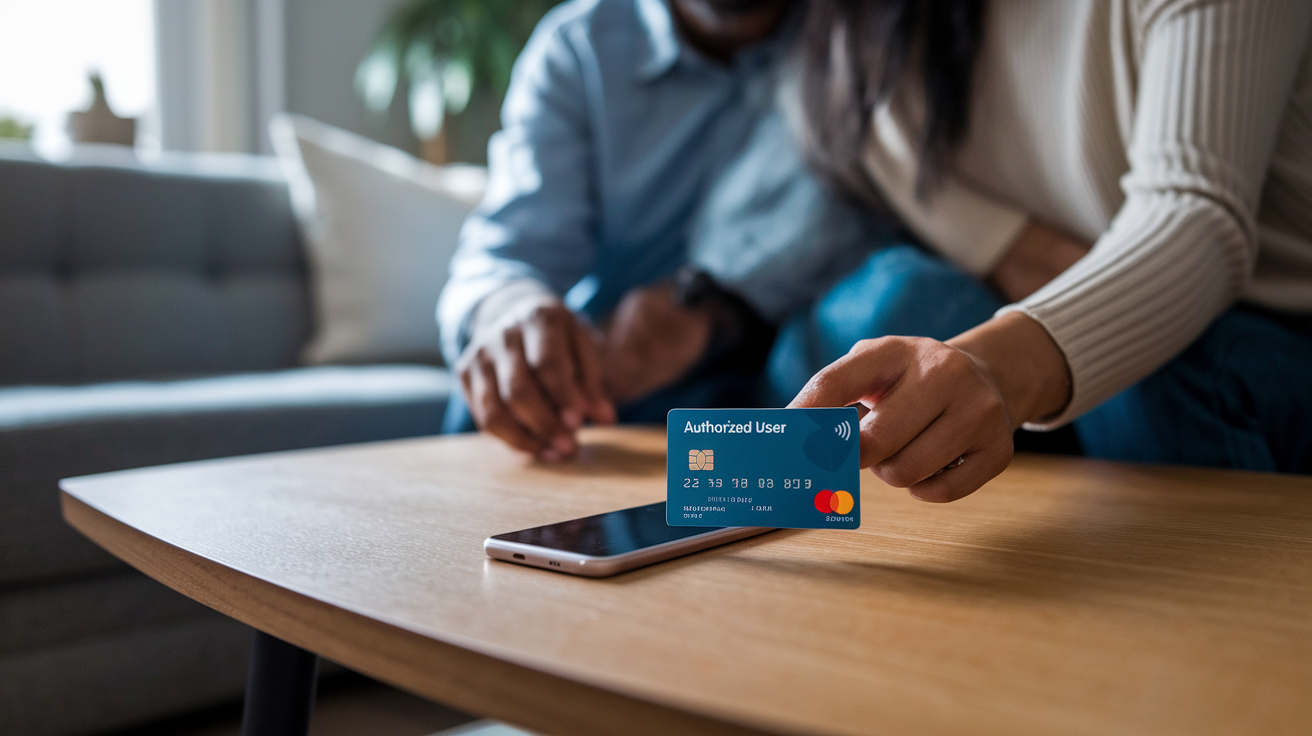
Authorized user status is the fastest way to add established credit history to your file. When someone adds you to their credit card account, the card’s entire payment history (sometimes years of it) can appear on your report within 30 to 60 days. You get a card with your name on it, but the primary cardholder handles the payments.
This only works if the card issuer reports authorized users to the bureaus. Most major issuers do. Always confirm before you’re added. If the account has a long track record of on-time payments and low balances, your score can jump fast. If the primary cardholder misses payments or maxes out the card, your score drops too.
Many issuers let primary cardholders add authorized users with ITINs instead of SSNs. The primary cardholder provides your name, birth date, and sometimes your ITIN or SSN when adding you. You don’t apply, pass a credit check, or prove income. Choose someone you trust completely. A family member, spouse, or close friend with strong payment habits and a credit limit they use responsibly. If their habits slip, yours does too.
Using Alternative Credit Reporting (Rent, Utilities, Subscriptions)
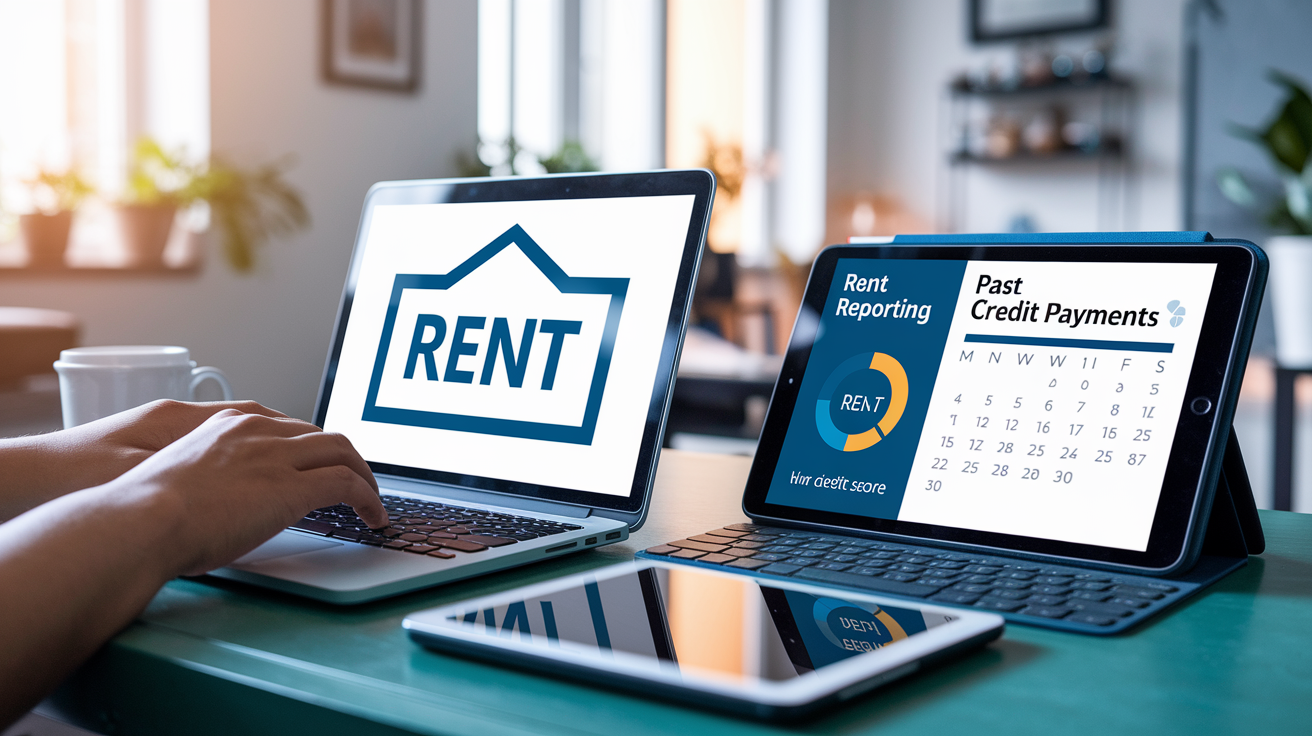
Traditional credit scoring ignores rent and utility payments. But alternative reporting services can add those records to your file. For immigrants with no credit cards or loans, these on-time payments can create the initial data points that generate a credit score. Some services can report up to 24 months of past rent payments retroactively, instantly adding positive history.
Rent reporting tools connect your bank account to your credit file and verify recurring rent payments. When the service confirms you’ve paid rent on time, it reports that payment to one or more bureaus. Utility reporting works the same way. Electricity, gas, water, internet, and phone bills can all count. Subscription payments for insurance or streaming services may also qualify, depending on the service.
Most alternative reporting services require:
- An SSN (ITINs rarely work for these tools)
- A U.S. bank account where the payments come from
- At least three months of on-time payment history before reporting begins
- Proof that you’re the account holder or named payer
- A membership or account with the reporting service, sometimes with a monthly fee
After enrollment, expect to see these payments on your credit report within 30 to 90 days. The score impact varies. Adding 12 months of on-time rent payments might lift a thin file by 20 to 40 points, but results depend on what else is in your file and which scoring model the lender uses.
Avoiding Common Mistakes When Building Credit as an Immigrant

The biggest mistake? Using too much of your available credit. Credit utilization (your balance divided by your limit) makes up about 30% of your FICO score. If your secured card has a $300 limit and you carry a $270 balance, your utilization is 90%. Your score will tank. Keep balances below 30% of your limit, ideally below 10%. Pay the full statement balance every month.
Missing a payment is the fastest way to wreck a new credit file. Payment history accounts for 35% of your score. Even one late payment can drop your score by 50 to 100 points if you’ve got a thin file. Set up autopay for at least the minimum payment. Confirm it’s working every month.
Other pitfalls:
- Applying for too many products at once. Each application triggers a hard inquiry, which can lower your score by a few points. Space out applications and focus on one or two starter products.
- Using unlicensed or predatory lenders. Payday loans, “no credit check” personal loans, and rent-to-own deals rarely report to credit bureaus. They carry high fees and can trap you in debt.
- Ignoring your credit report. Errors, duplicate accounts, or signs of identity theft can hurt your score. Check your report every few months to confirm accounts are reporting correctly.
- Closing your oldest account too soon. Length of credit history matters. Keep your first secured card open even after you qualify for better cards, as long as it doesn’t have an annual fee.
Final Words
Start by getting an SSN or ITIN, then pick one fast action: open a secured card, enroll in rent or utility reporting, or become an authorized user. Those moves build credit history quickly when you use them responsibly.
Avoid high balances, missed payments, and too many applications. A small secured deposit (200–500) and on‑time payments move the needle.
If you only do one thing this week, apply for a secured card or sign up for rent reporting. That’s often the best way to establish credit for immigrants and see steady progress.
FAQ
Q: How to quickly establish credit as an immigrant?
A: The quickest way to establish credit as an immigrant is to get an SSN or ITIN, open a secured credit card (deposit $200–$500), use rent/utility reporting, or become an authorized user.
Q: How do undocumented immigrants get credit cards, and can you build a credit score without SSN?
A: Undocumented immigrants can get credit cards by using an ITIN or passport ID, applying for secured starter cards, or becoming an authorized user; yes, you can build a score without an SSN using ITIN, rent reporting, or authorized-user history.
Q: What is the best credit card for immigrants?
A: The best credit card for immigrants is a major-bank secured card that reports to credit bureaus and offers upgrade paths; if you have an ITIN, choose issuers that accept ITINs or newcomer starter cards.