


Think lenders ignore you because your credit file is thin?
You’re not wrong.
About 50 million Americans are credit invisible or have a thin file, and that often means higher rates or denials.
This post gives a clear, step-by-step plan to fix a thin credit file fast: check reports, add reporting tradelines (accounts that report to credit bureaus), and make on-time payments.
If you only do one thing this week, get a tradeline that reports to all three bureaus.
Core Steps to Fix a Thin Credit File Immediately
A thin credit file means lenders don’t have enough data to predict how you’ll handle borrowed money. About 50 million Americans fall into the category of credit invisible (no scorable data at all) or have a thin file, which means some tradelines exist but not enough to generate a stable credit score. Lenders see thin files as high risk because there’s no proven track record of on-time payments, account management, or credit usage patterns. “No file” means no accounts at all. “Thin” means you have one or two accounts, but that history is short or inactive.
Credit bureaus evaluate file thickness by counting active tradelines, measuring how long your oldest account has been open, and tracking payment consistency. Most mainstream scoring models need at least three active accounts and somewhere between 12 and 24 months of combined history to produce a reliable score. Each category in the scoring formula requires data to work: payment history makes up about 35 percent of your score, amounts owed accounts for roughly 30 percent, length of history is around 15 percent, new credit is about 10 percent, and credit mix fills the final 10 percent. When your file is thin, several of these categories have little or nothing to populate. That holds back your score even if the accounts you do have are in good standing.
Most people start seeing an initial scorable profile within three to six months after adding consistent, reporting tradelines and making on-time payments. That’s enough time for a few billing cycles to report and for scoring models to recognize the pattern. Start now with these immediate actions to build a thicker, more robust file:
- Pull your credit reports from all three major bureaus to see exactly which accounts are reporting and verify there are no errors holding you back
- Dispute any mistakes, outdated late payments, or accounts that belong to someone else. Errors can delay your progress by months.
- Confirm that your current accounts (if any) are actually reporting to the bureaus. Some starter products or local lenders don’t report at all.
- Add at least one new positive tradeline that will report monthly, like a secured card, credit builder loan, or authorized user spot on a trusted person’s account
- Set up automatic payments for every account to eliminate the risk of a late payment, which can reverse months of progress overnight
Real World Impact of a Thin Credit File on Approvals and Rates

Lenders rely on account age, tradeline volume, and payment consistency to decide whether you’ll repay what you borrow. When your file is thin, they see uncertainty. That uncertainty translates into higher costs, lower limits, or flat out denials. Credit card issuers may approve you only for a low limit starter card with a high annual fee. Auto lenders might require proof of higher income, a larger down payment, or collateral they can recover if you default. Personal loan providers often quote interest rates in the double digits for thin file applicants, if they approve the loan at all.
A medium to thick file might qualify for a credit card with a 16 to 20 percent APR, while a thin file could see offers around 24 to 29 percent. The same pattern appears in auto loans: a well established borrower might pay 5 to 8 percent, while someone with minimal history could face 12 to 18 percent or more. Those percentage point differences add up to hundreds or even thousands of dollars in interest over the life of a loan.
Mortgage lenders also hesitate when files are thin. You might be asked for extra documentation (tax returns, pay stubs, and bank statements going back several years) or you may need to use a government backed program that allows manual underwriting. Private mortgage insurance premiums can run higher, and you may miss out on the lowest advertised rates entirely. The best move is to thicken your file before applying for major loans, because lenders reward history they can measure with lower risk pricing and smoother approvals.
Why Credit Bureaus Score Thin Files Differently
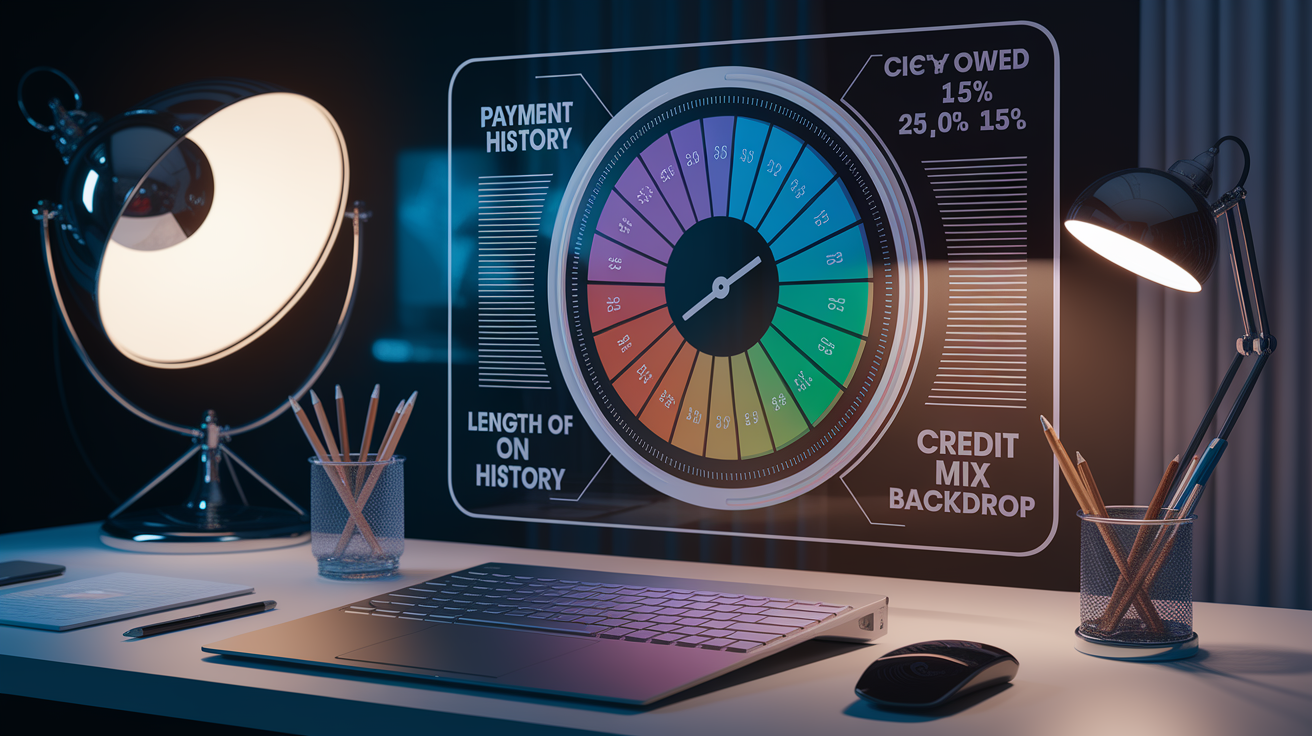
Credit scoring formulas were built to predict risk using patterns from millions of borrowers over decades. When your file lacks tradelines, recent activity, or account diversity, the model has less information to analyze. Payment history carries the most weight at approximately 35 percent, but if you have only one or two accounts and they’ve been open for a short time, the scoring algorithm struggles to distinguish between someone who will pay reliably and someone who might default. Same is true for amounts owed, which accounts for about 30 percent. Utilization ratios work best when bureaus can compare your balances across several revolving accounts. A single maxed out card tells a different story than three cards all kept below 10 percent.
Length of credit history, worth around 15 percent of your score, requires time and an older account. If your oldest tradeline opened six months ago, you can’t manufacture age any faster. New credit and the mix of account types each contribute roughly 10 percent, but both categories need baseline data. Applying for multiple accounts in a short span won’t help if every account is brand new. And having one secured card doesn’t demonstrate the ability to manage both revolving credit and an installment loan.
The table below shows how each scoring category depends on sufficient file thickness and what happens when your file is too thin to populate that category fully:
| Scoring Factor | Weight | What a Thin File Lacks |
|---|---|---|
| Payment History | ~35% | Few or no on-time payment records to demonstrate reliability |
| Amounts Owed / Utilization | ~30% | Limited revolving accounts to show low balance to limit ratios |
| Length of Credit History | ~15% | Short average age of accounts and a recent oldest account |
| Credit Mix & New Credit | ~10% each | Only one account type and minimal inquiry/account opening activity |
Adding New Tradelines to Strengthen a Thin Credit File

The fastest, lowest friction way to add a tradeline is to become an authorized user on someone else’s established credit card. When the issuer reports authorized user data to the bureaus, the entire payment history and utilization of that account can appear on your report within one to two billing cycles. That means if a parent, spouse, or close friend has a card that’s been open for five years, has a credit limit of three thousand dollars, and carries a balance under ten percent, you could inherit all of that positive history almost immediately. The main risk is that any missed payments or high balances on the primary account will also transfer to your file. Only accept authorized user status from someone with a long track record of responsible use.
Not all card issuers report authorized user data to all three bureaus, and some don’t report it at all. Before accepting the invitation, confirm that the issuer reports to Experian, Equifax, and TransUnion, and that the primary account holder keeps utilization low and never misses a payment. If the primary cardholder has a balance that regularly creeps above 30 percent of the credit limit, or if they’ve had late payments in the past year, that negative information can hurt your thin file rather than help it. You want a mature account with at least twelve months of perfect on-time history and utilization that stays below 10 percent.
Retail store cards and starter credit cards can also add tradelines, but many come with high annual percentage rates and small credit limits. They’re useful if you can’t qualify for a traditional unsecured card and don’t have someone who can add you as an authorized user. Just make sure the issuer reports to all three bureaus. If the account only reports to one bureau, you’re building thickness in one place while the other two files remain thin. That creates an uneven profile and can confuse lenders who pull from different bureaus.
When adding any tradeline, verify these four details before committing:
- Confirm the card issuer or lender reports authorized user or account data to Experian, Equifax, and TransUnion
- Choose primary accounts that have been open for twelve months or more, carry balances well below 30 percent utilization, and show zero late payments in the past two years
- Avoid accounts with negative history such as charge offs, collections, or recent delinquencies, because those marks will transfer to your report and damage your thin file
- Check which bureaus receive the authorized user data by asking the card issuer directly or reviewing online reports from other authorized users of that card
Using Secured Credit Cards to Build Thick Credit History

A secured credit card requires you to place a cash deposit with the issuer, and that deposit becomes your credit limit. If you put down 200 dollars, your limit will typically be 200 dollars. Some issuers offer minimums as low as 49 or 200 dollars, while others allow deposits of 1,000 dollars or more if you want a higher limit from the start. The deposit sits in a holding account and acts as collateral, so the issuer’s risk is near zero. That makes approval much easier for people with thin or damaged files.
Secured cards report to the credit bureaus as revolving tradelines, just like unsecured cards. Most issuers report within the first billing cycle, so you’ll start building payment history and account age immediately. The key is to keep your utilization (your balance divided by your limit) below 30 percent. Best practice is under 10 percent. If your limit is 500 dollars, aim to carry a statement balance of 50 dollars or less. Pay off the full statement balance every month to avoid interest, and the on-time payments will stack up quickly in the payment history category.
Many secured cards come with annual fees that range from zero to about 39 dollars, and interest rates are often higher than unsecured products, sometimes 24 to 29 percent. After three to twelve months of consistent on-time payments and low utilization, some issuers will graduate you to an unsecured card and refund your deposit. Others require you to apply for an unsecured product separately. Either way, the secured card serves as the simplest, most direct path to adding a reporting revolving tradeline when you have a thin file.
| Feature | Secured Card | Unsecured Card |
|---|---|---|
| Deposit Requirement | Typically $200–$500 (some as low as $49 or as high as $1,000+) | None |
| APR Range | Often 24–29% for starter products | Varies widely; prime cards may offer 16–20% |
| Reporting Timeline | Usually reports within first billing cycle | Same; reports within first billing cycle |
| Upgrade Path | Graduate to unsecured after 3–12 months with positive use; deposit refunded | Start unsecured; may qualify for credit line increases over time |
Credit Builder Loans to Expand Thin Credit Files

A credit builder loan flips the usual loan process: the lender holds the loan amount in a locked savings account or certificate of deposit while you make monthly payments. Once you’ve paid off the full balance, the lender releases the funds to you. Typical loan amounts range from 300 to 2,000 dollars, with terms between 6 and 24 months. Your payments report to the credit bureaus as an installment tradeline, which adds diversity to your credit mix and builds a record of on-time installment payments.
These loans are designed for people who don’t have collateral or established credit. Community banks, credit unions, and online lenders offer them, sometimes with low or zero interest and modest setup fees. You’ll pay a small amount each month (often 25 to 100 dollars) and each on-time payment strengthens your file. Because the money is held in escrow, the lender’s risk is minimal, and your approval odds are high even with a thin or damaged file.
Credit builder loans take longer to show impact than secured cards because most products run for at least six months, but the payoff is meaningful. You’ll have an installment account contributing to your credit mix, a growing payment history, and a lump sum of savings at the end. If you can afford the monthly payment and you don’t have an installment tradeline already, a credit builder loan is one of the most straightforward ways to thicken your file while building a small emergency fund at the same time.
Reporting Rent and Utility Payments to Thicken a Thin Credit File

Rent and utility payments don’t automatically appear on your credit reports, but several services can add them. Rent reporting companies typically charge a monthly fee between 5 and 15 dollars or a one-time setup fee to pull your payment history and send it to one or more bureaus. Some landlords and property management companies offer free reporting through partnerships, so check with your landlord before paying for a third party service. Once reporting starts, you’ll usually see the tradeline appear within one to two billing cycles.
Utility and phone bills work the same way. Services can scan your bank account or link directly to utility providers to verify on-time payments, then report that history to the bureaus. The effect can be quick (some services add data within days) but the impact varies. Not all lenders use scoring models that include utility or rent data, and many rent reporting services only report to one or two bureaus instead of all three. That means your Experian file might show twelve months of rent payments while your Equifax and TransUnion files remain thin.
Before signing up for a rent or utility reporting service, confirm these details:
- Which credit bureaus will receive your payment data. Look for services that report to all three.
- Whether the service charges a monthly fee, a one-time fee, or both, and compare that cost to the expected score benefit
- How far back the service can report payments. Some allow up to 24 months of retroactive history.
- What happens if you miss a payment after enrolling. Most services will report negative activity just as they report positive.
- Whether your landlord or utility provider already offers free reporting, which eliminates the need to pay a third party
Using Experian Boost and Alternative Data to Grow a Thin File
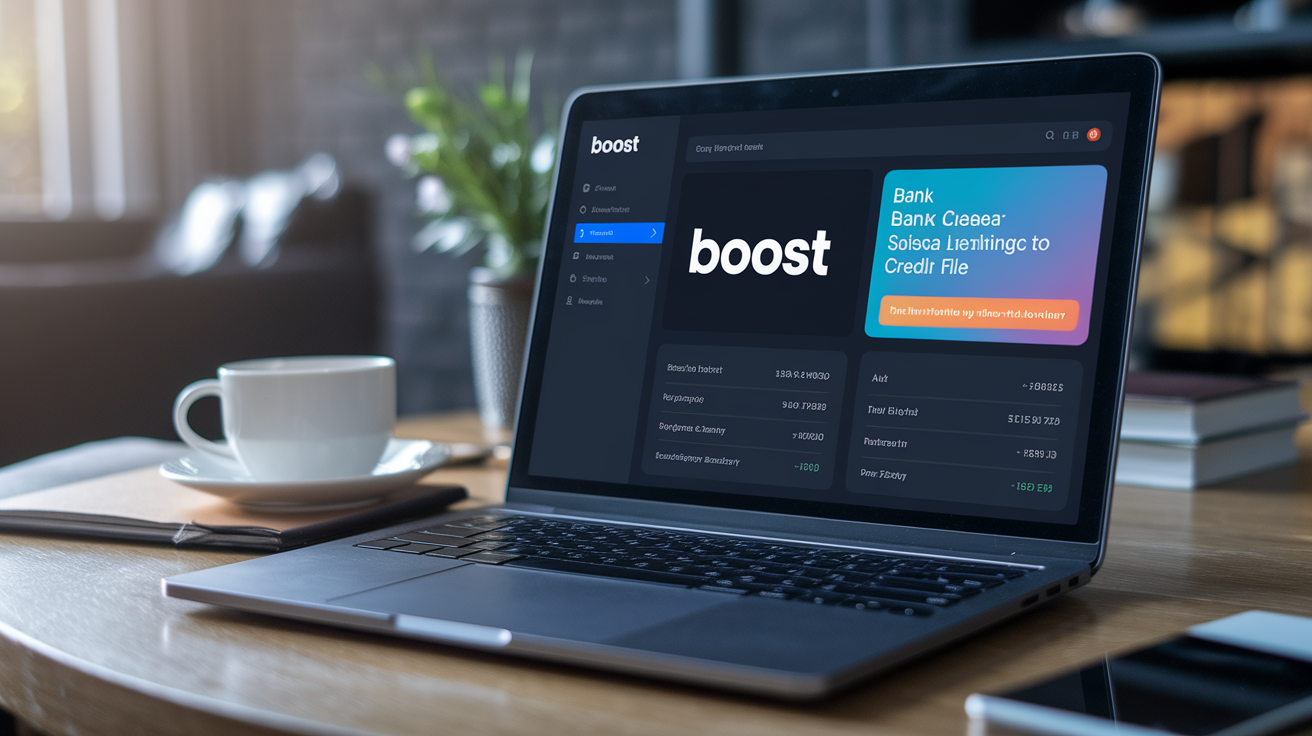
Experian Boost is a free service that lets you connect your bank account and add positive payment history for utility bills, phone bills, and certain streaming subscriptions directly to your Experian credit file. The process takes a few minutes online, and the data can appear in your Experian report within a day or two. If you’ve been paying your electric bill and cell phone on time for the past year, Boost can instantly add those records to your file and potentially raise your Experian based credit scores.
The catch is that Boost only affects your Experian report, and not all lenders use Experian or the specific score versions that incorporate Boost data. You might see a 10 or 20 point increase on one score model and zero change on another. The service works best for people who have very thin files and need a small score bump to cross an approval threshold for a secured card or starter loan. It won’t replace the need for traditional tradelines like credit cards or installment loans. But it can provide a quick win while you build those accounts.
Similar alternative data services exist for other bureaus and score models, but results vary widely. Some lenders and scoring models ignore alternative data entirely, preferring traditional credit accounts. Use Boost and similar tools as a supplement to your core strategy (open a secured card, add an installable tradeline, or become an authorized user) and treat any score increase from alternative data as a bonus rather than the foundation of your credit profile.
Timelines, Progress Tracking, and Expected Credit Improvements

Building a thick credit file takes time, but you’ll see measurable progress at predictable milestones. In the first 30 to 90 days after opening a new account or adding an authorized user tradeline, expect to see the account appear on your credit reports and your score begin to change. The change may be small at first (often just enough to move from “no score” to a score in the low 600s) but it’s visible proof that the strategy is working.
Between three and six months, you’ll see more meaningful improvements. If you’ve kept a secured card’s utilization below 10 percent and made every payment on time, your score can climb 30 to 60 points or more during this window. A credit builder loan that’s been reporting monthly payments will add to your installment history, and if you enrolled in rent or utility reporting, those tradelines will have accumulated several months of positive data. This is the phase where lenders start to view your file as less risky. You may qualify for better starter products or small unsecured loans.
After six to twelve months of consistent behavior (on-time payments, low utilization, no new hard inquiries, and no closed accounts) you’ll have a stable, medium thickness file. Most scoring models will recognize three or more active tradelines, an average account age that’s climbing, and a payment history that demonstrates reliability. At this point, you can apply for unsecured credit cards with better terms, auto loans with competitive rates, and personal loans without requiring a cosigner. Follow this timeline to stay on track:
- Days 0 to 30: Pull credit reports from all three bureaus, dispute any errors, enroll in a rent or utility reporting service if applicable, ask a trusted person to add you as an authorized user on a mature account, and open a secured credit card with a deposit of 200 to 500 dollars.
- Months 1 to 3: Make every secured card payment on time, keep your statement balance below 10 to 30 percent of your limit, set up autopay to eliminate late payment risk, and monitor your reports to confirm the new accounts are reporting correctly to all three bureaus.
- Months 3 to 6: Consider adding a credit builder loan of 300 to 1,500 dollars or another small installment account, continue perfect payment history on all accounts, and check for score updates to confirm steady improvement.
- Months 6 to 12: Aim to have at least three positive tradelines reporting, watch your average account age increase, keep utilization consistently low, and then explore applying for an unsecured starter card or better loan terms as your score crosses into the mid 600s or higher.
Mistakes That Keep a Credit File Thin (and How to Avoid Them)

Hard inquiries from credit applications can temporarily lower your score by a few points each, and when your file is thin, those small drops matter more. Avoid applying for multiple new accounts within a three to six month window. Each inquiry signals to lenders that you’re seeking new credit, and too many in a short time can make you look desperate or risky. If you need to shop for a loan, do your rate comparisons within a 14 to 45 day window so the inquiries count as a single event for scoring purposes.
Closing your oldest account is one of the fastest ways to hurt a thin file. Length of credit history depends on the age of your oldest tradeline and the average age of all your accounts. If you close a five year old secured card after upgrading to an unsecured product, you lose that account’s age contribution and your average drops immediately. Keep old accounts open and active, even if you only use them for a small recurring charge each month and pay it off in full.
Missing even a single payment can reverse months of progress. Payment history makes up 35 percent of your score, and one 30 day late mark can drop a thin file score by 60 to 100 points. High utilization (carrying balances near your credit limit) also suppresses scores, even if you never miss a payment. If your secured card has a 500 dollar limit and you carry a 450 dollar balance, your utilization is 90 percent, and scoring models will penalize you.
Avoid these common pitfalls to protect your file as it grows:
- Don’t apply for several new accounts at once. Space applications at least three to six months apart.
- Never close your oldest account, even after upgrading or paying off the balance.
- Set up automatic payments to eliminate the risk of a late payment, which can erase months of on-time history instantly.
- Keep revolving balances below 30 percent of your limit at all times, and aim for under 10 percent for the fastest score improvement.
Monitoring, Disputing Errors, and Protecting Your File as It Grows
Check your credit reports from all three major bureaus at least once every three months when you’re actively building a thin file. You can request free reports from each bureau once per year at annualcreditreport.com, and many credit monitoring services offer more frequent access. Look for accounts that should be reporting but aren’t, incorrect late payments, accounts that belong to someone else, and outdated information like old addresses or closed accounts still listed as open.
If you find an error, file a dispute with the bureau that’s reporting the mistake. Most bureaus offer online dispute forms that walk you through the process. Include any supporting documents (payment records, account statements, or letters from creditors) and the bureau has 30 days to investigate. If the information is verified as incorrect, the bureau must remove or correct it. Inaccuracies can delay your progress or lower your score, so resolving them quickly is critical.
Monitoring also helps you catch identity theft early. If a new account appears on your report that you didn’t open, or if you see inquiries from lenders you never contacted, freeze your credit immediately and file a fraud report with the bureaus and the Federal Trade Commission. A thin file is especially vulnerable to identity theft because thieves can open accounts in your name and rack up debt before you notice. Regular monitoring protects you and ensures that every tradeline on your report is legitimate and helping your score.
When you review each report, verify these three details:
- Confirm that every account you opened is reporting to all three bureaus and showing accurate payment history
- Check for late payments or negative marks that don’t belong to you, and dispute them with documentation
- Look for inquiries you don’t recognize, which may signal unauthorized credit applications or identity theft
Final Words
Start by pulling your three credit reports and fixing errors, then add a tradeline like becoming an authorized user or getting a secured card and set up automatic payments.
We defined thin versus no file, showed how lenders view limited history, explained bureau thresholds, and gave realistic timelines: 30 to 90 days for small changes and 3 to 6 months for meaningful improvement.
If you only do one thing this week, pull your reports at annualcreditreport.gov and dispute mistakes.
With steady steps, you can rebuild. This is how to fix thin credit file, and it gets better with time.
FAQ
Q: How to build a thicker credit file?
A: To build a thicker credit file, pull all three reports, fix errors, add tradelines (secured card, credit‑builder loan, authorized user), report rent/utilities, and automate on‑time payments for 3–6 months.
Q: Is having a thin credit file bad?
A: Having a thin credit file means lenders lack repayment history, so you may face higher rates, lower limits, or denials; it’s a real handicap but fixable by adding and reporting positive tradelines.
Q: What is the 609 loophole?
A: The 609 loophole is the false claim you can remove negative items by invoking FCRA section 609; it’s mostly a myth or scam—use proper disputes with documentation instead.
Q: What are four reasons a person might have a thin credit file?
A: Four reasons a person might have a thin credit file are few or no tradelines, short account age (under 12–24 months), bills not reported (rent/utilities), or closed/rarely used accounts.