


Consolidating debt can save you thousands, or put your home at risk.
This guide cuts through the noise and helps you pick the right method for your situation.
We’ll compare balance transfer cards, personal loans, home equity loans, and debt management plans in plain terms.
Then I’ll give a simple decision rule.
Pick the option that matches your credit score, debt size, and repayment timeline, and always compare the all-in cost (interest plus fees) before you sign.
If you only do one thing this week, scan the “Best For” column to spot the best fit for you.
Quick Comparison of Major Debt Consolidation Methods

Debt consolidation is when you take multiple monthly debt payments and merge them into one, hopefully at a lower interest rate. The main upside? Simpler tracking and less total interest. But different methods work for different situations, and picking the wrong one can cost you more or put your property at risk.
You’ve got four primary debt consolidation methods: balance transfer credit cards, personal loans, home equity loans, and debt management plans. Balance transfer cards let you move high-interest credit card debt to a card with a promotional 0% APR, often for 12 to 21 months. Personal loans are unsecured fixed-rate loans that pay off your existing debts and leave you with one predictable monthly payment. Home equity loans tap the value in your home to pay off higher-interest debt, usually at a lower rate but with your house as collateral. Debt management plans are structured programs run by credit counseling agencies that negotiate lower interest rates on your behalf and consolidate payments without a new loan.
| Method | Typical Interest Range | Repayment Term | Best For |
|---|---|---|---|
| Balance Transfer Card | 0% intro (12–21 mo), then 15%–25% | Promotional period or cardholder choice | High-interest credit card debt, good credit, can pay off within promo window |
| Personal Loan | 6%–36% | 2–7 years | Multiple debt types, fair-to-good credit, want fixed payment |
| Home Equity Loan | 5%–10% | 5–30 years | Homeowners with 15%+ equity, large balances, comfortable with collateral risk |
| Debt Management Plan | Typically reduces existing card APRs by 3–10 points | 3–5 years | High card interest, need structure, no strict credit requirement |
Start by scanning the “Best For” column to spot the method that matches your situation. If more than one looks promising, compare the interest range and term to narrow down which option saves the most while fitting your repayment timeline.
Pros and Cons of Each Consolidation Method

Balance transfer cards shine when you can knock out the balance before the promotional rate expires. They simplify payments and can eliminate interest entirely for a year or more. The downside is the upfront transfer fee (usually 3 to 5 percent of the balance) and the risk of a penalty APR that kicks in if you miss a payment or carry a balance past the promo window.
Personal loans offer predictable fixed monthly payments. Budgeting becomes straightforward. They work on almost any type of unsecured debt, not just credit cards. But origination fees of 1 to 8 percent are common, and if your credit’s weak, the rate may be high enough that you barely save compared to your current debts.
Home equity loans deliver the lowest interest rates in most cases because your home backs the loan. They also let you borrow larger amounts, making them suitable for heavy debt loads. The tradeoff is serious. If you can’t make payments, you could lose your house. And closing costs can run into the thousands, eating into your initial savings.
Debt management plans require no credit check to enroll, so they’re accessible even with poor credit. Credit counselors often negotiate lower interest rates and waive fees, and you make one monthly payment to the agency. The catch is that most plans require you to close your credit card accounts during the program, which can hurt your credit score in the short term and removes access to those cards for emergencies.
What’s universal across all methods:
Consolidation reduces the number of payments you juggle each month. Lower interest rates cut total repayment costs and free up cash. Fixed payment schedules make budgeting simpler. Successfully paying off consolidated debt improves your credit over time.
But upfront fees or closing costs can reduce net savings. Extending repayment terms lowers monthly payments but may increase total interest paid. Secured options (home equity) put your collateral at risk. And without fixing spending habits, consolidation alone can lead to new debt on top of the consolidated loan.
Eligibility Requirements for Each Option

Balance transfer cards typically require good to excellent credit, with most issuers looking for scores of 680 or higher. You’ll also need enough available credit limit on the new card to accommodate the balances you want to transfer. Income verification is standard, and issuers assess your debt-to-income ratio to ensure you can handle the transferred balance.
Personal loan approval varies by lender. Most require a credit score between 600 and 660 at minimum for reasonable rates. Scores above 660 often unlock better APRs and help you avoid or reduce origination fees. Lenders will verify your income and employment, and some cap the loan amount based on your stated monthly income. If you’re currently in bankruptcy or foreclosure proceedings, most lenders will decline your application.
Home equity loans and lines of credit require that you own your home and have built at least 15 to 20 percent equity. Lenders will order an appraisal to confirm current market value. They’ll check your credit score, income, and debt-to-income ratio just as they would for any mortgage product. If your credit’s below 620, approval becomes difficult. If you have little equity, you may not qualify for a loan large enough to consolidate meaningful debt.
Debt management plans stand apart because they impose no strict credit score requirement. You can enroll regardless of your credit history, making them accessible when other doors are closed.
Cost Breakdown and Total Repayment Analysis
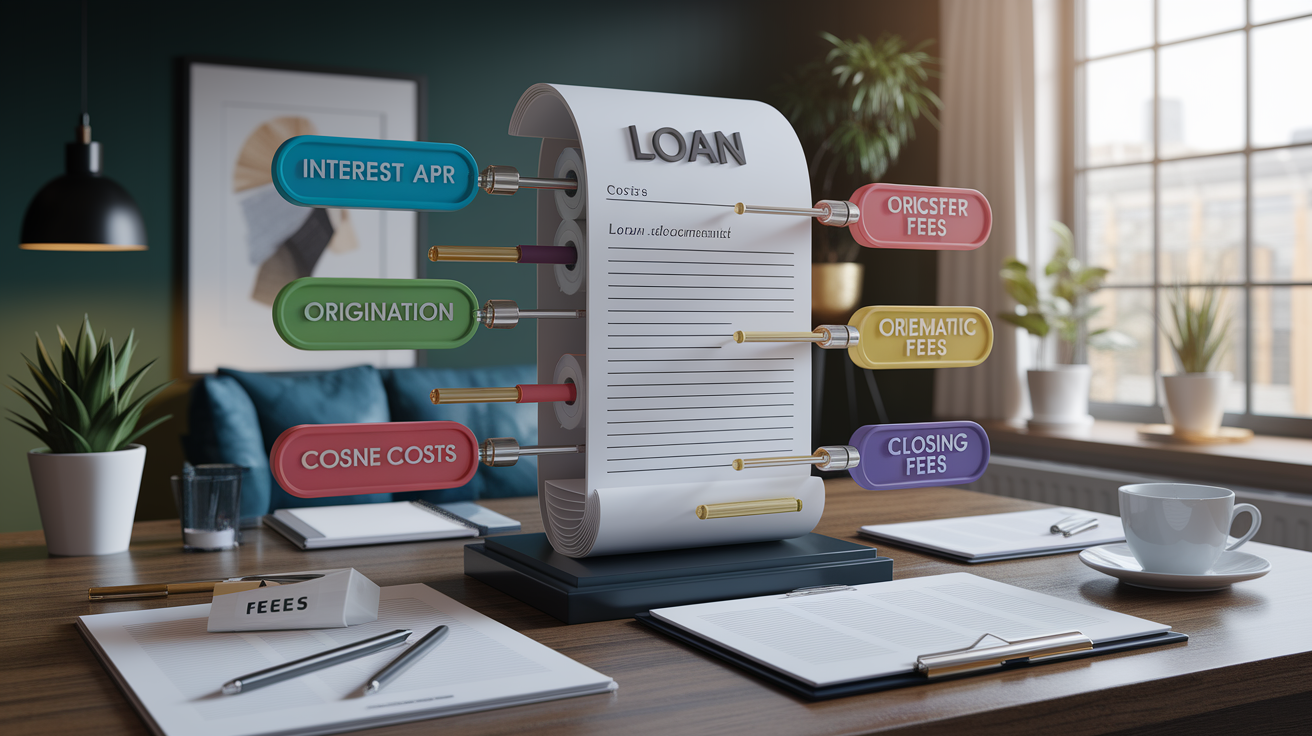
Understanding the full cost means looking beyond the advertised interest rate. Balance transfer cards charge a transfer fee upfront. Personal loans often include an origination fee deducted from your loan proceeds. Home equity loans come with closing costs similar to a mortgage. Debt management plans typically charge a small monthly service fee, often around 20 to 50 dollars.
Interest is the largest cost component over time, but fees compound quickly. A 5 percent transfer fee on a 10,000 dollar balance costs you 500 dollars before you even start repaying principal. Origination fees on a personal loan can run 1 to 8 percent, so an 8 percent fee on a 15,000 dollar loan subtracts 1,200 dollars up front. Closing costs on a home equity loan may reach 2 to 5 percent of the loan amount, and those costs are typically rolled into the loan or paid at closing.
| Cost Type | Typical Range | Applies To |
|---|---|---|
| Interest (APR) | 0%–36% | All loan and card methods |
| Fees (transfer, origination, service) | 1%–8% of balance or 20–50/month | Balance transfer, personal loan, debt management plan |
| Penalties (late, over-limit, penalty APR) | Varies by issuer; penalty APRs often 25%+ | Balance transfer cards, some personal loans |
| Closing costs | 2%–5% of loan amount | Home equity loans |
To estimate your true total repayment, add all upfront fees to your starting balance, then use an amortization calculator to project monthly payments and total interest over the full term. Compare that final number to what you’d pay if you kept your current debts and payment schedule. The method with the lowest all-in cost wins, but only if you can meet the eligibility and risk requirements.
Impact on Credit Score

When you apply for a balance transfer card or a loan, the lender runs a hard inquiry. This can drop your score by a few points temporarily. Opening a new account also lowers your average account age, which may nudge your score down in the short term. But if the new account significantly reduces your credit utilization ratio (the percentage of available credit you’re using), that positive effect often outweighs the inquiry and age penalty within a few months.
Over the long term, making on-time payments on your consolidation loan or new card builds positive payment history. That’s the single largest factor in your credit score. Paying down balances improves your utilization ratio. Keeping old accounts open (even with zero balances) helps preserve credit age.
Debt management plans can lower your score initially because most programs require you to close enrolled credit card accounts, which reduces your total available credit and can increase utilization on any remaining cards. Home equity loans have less impact on credit utilization since they’re installment loans, not revolving credit. Timely payments still boost your score, and missed payments hurt it just as much as any other loan.
When Each Method Works Best
Balance transfer cards work best when you have high-interest credit card debt that you can realistically pay off within the promotional period. If your credit score’s 680 or higher, you can move a 5,000 to 15,000 dollar balance to a card offering 0 percent APR for 15 months and eliminate interest entirely if you pay it down before the promo expires. This method fits borrowers with steady income who need a short-term interest break to catch up.
Personal loans suit situations where you’re juggling multiple debt types. Credit cards, medical bills, maybe a small personal loan. You want one fixed monthly payment with a clear payoff date. If your credit score’s in the 600 to 680 range, a personal loan at 10 to 18 percent APR can still save you money compared to credit cards charging 20 to 25 percent. The fixed term (usually 3 to 5 years) gives you a structured path to debt freedom.
Home equity loans make sense for homeowners carrying large balances (20,000 dollars or more) who have at least 15 to 20 percent equity and can secure a rate in the 5 to 10 percent range. This option works when you’re comfortable using your home as collateral and your current unsecured debts carry rates well above 10 percent. The longer repayment term (often 10 to 20 years) keeps monthly payments manageable, but you must weigh that against total interest paid over time.
Debt management plans fit borrowers who are struggling with high credit card interest rates and inconsistent payments but don’t qualify for low-rate loans due to poor credit. If your score’s below 600 and you’re paying 22 to 28 percent on multiple cards, a debt management plan can negotiate those rates down to 10 to 15 percent and consolidate everything into one monthly payment to the counseling agency. This method requires discipline and commitment to a 3 to 5 year program, but it bypasses the credit score barriers that block other options.
Risks and Drawbacks to Consider

Home equity loans and lines of credit put your house on the line. If you miss payments or default, the lender can foreclose and take your home. That risk is real. It turns unsecured credit card debt (which can’t seize your assets) into secured debt backed by your most valuable possession.
Balance transfer cards can backfire if you continue spending on the new card or on old cards you’ve paid off. The promotional rate only applies to transferred balances, and new purchases usually accrue interest immediately at the standard APR. If you carry a balance past the promo window, the penalty APR (often 25 percent or higher) erases any savings you gained.
Personal loans with high origination fees and elevated APRs for low-credit borrowers may cost more than keeping your current debts if the rate isn’t significantly lower. Debt management plans require closing your enrolled credit card accounts, which can lower your credit score and remove access to credit for emergencies. Extending your repayment term lowers monthly payments but increases total interest paid, sometimes by thousands of dollars, even at a lower rate.
Relying on consolidation without addressing the spending habits that created the debt can lead to new balances piling up on top of the consolidation loan. Scams targeting distressed borrowers are common in the debt relief space. Verify that any credit counseling agency is accredited by the National Foundation for Credit Counseling or the Financial Counseling Association of America.
Step-by-Step Framework for Choosing a Method

Check your credit score using a free service or your bank’s online portal. Scores above 680 open access to balance transfer cards and competitive personal loan rates. Scores between 600 and 680 make personal loans and debt management plans your best bets. Scores below 600 steer you toward debt management plans or home equity options if you own a home.
List all your debts with current balances, interest rates, and minimum payments. Calculate the total you owe and the weighted average interest rate across all debts. This baseline shows how much interest you’re paying now and what improvement you need to justify the switch.
Identify whether you own a home and have at least 15 to 20 percent equity. If yes, request a rough estimate of your home’s current value and subtract what you owe on the mortgage to see how much equity you can access. If no, skip home equity loans and focus on unsecured options.
Estimate how quickly you can repay the debt. If you can pay off your balance within 12 to 18 months, a balance transfer card with 0 percent intro APR is likely your cheapest option. If repayment will take 2 to 5 years, a personal loan’s fixed rate and term may save more. For longer timelines or very large balances, compare home equity loans and debt management plans.
Calculate total cost for each eligible method. Include all fees (transfer fees, origination fees, closing costs, monthly service fees) and projected interest over the full repayment term. Use online calculators or spreadsheets to model each scenario side by side.
Assess your risk tolerance and financial discipline. If you’re confident you can avoid new debt and make consistent payments, balance transfer cards and personal loans offer the most control. If you need external structure and accountability, debt management plans provide built-in support and lower rates without requiring good credit. If you’re willing to pledge your home as collateral for the lowest rate, home equity loans become viable, but only if your income’s stable and you have emergency savings.
Apply to your top choice and review the final offer carefully. Confirm the APR, fees, monthly payment, and total repayment amount match your calculations. If the terms are worse than expected, compare your second-choice method before accepting.
This sequence moves you from assessing your starting position to calculating costs to matching method with situation. It keeps decision-making grounded in numbers rather than marketing promises.
Final Words
In the action, we compared balance-transfer cards, personal loans, home equity loans, and debt management plans, plus their costs, credit effects, and risks.
We covered pros and cons, eligibility rules, a cost breakdown, and a seven-step framework to evaluate offers. Use the quick table and steps to narrow choices fast.
If you need one clear next move, follow the framework to compare rates and timelines and decide how to choose between debt consolidation methods that lower cost and simplify payments. You’ve got options. Pick the one that fits your score and timeline.
FAQ
Q: What is the best debt consolidation method?
A: The best debt consolidation method depends on your credit, debt mix, and timeline. Quick rule: 0% balance transfer for short-term card debt, personal loan for predictability, home equity for large balances, DMP if overwhelmed.
Q: Why does Dave Ramsey not recommend debt consolidation?
A: Dave Ramsey doesn’t recommend debt consolidation because he favors the debt snowball (smallest-balance-first) and warns consolidation can extend terms, mask spending problems, and risk collateral like your home.
Q: How to pay off $30,000 in debt in 1 year?
A: To pay off $30,000 in one year, plan roughly $2,500 monthly plus interest. Cut costs, boost income, focus highest-interest first (avalanche) or snowball for motivation, and use windfalls.
Q: Does Truist have a debt consolidation loan?
A: Truist offers personal loans, home equity loans, and HELOCs that can be used for debt consolidation; check current rates, terms, and eligibility with Truist before applying.