


Want to stop impulse buys that leave you with regret?
Try the 30-day savings rule: pause for 30 days, write down the item and price, and move the money you would have spent into a savings account.
This simple pause puts friction between your impulse and your wallet, so many wants fade while your cash grows.
If you only do one thing this week, set a 30-day reminder and transfer the amount, and you’ll either buy with no guilt or keep the money.
Clear Explanation of the 30‑Day Savings Rule
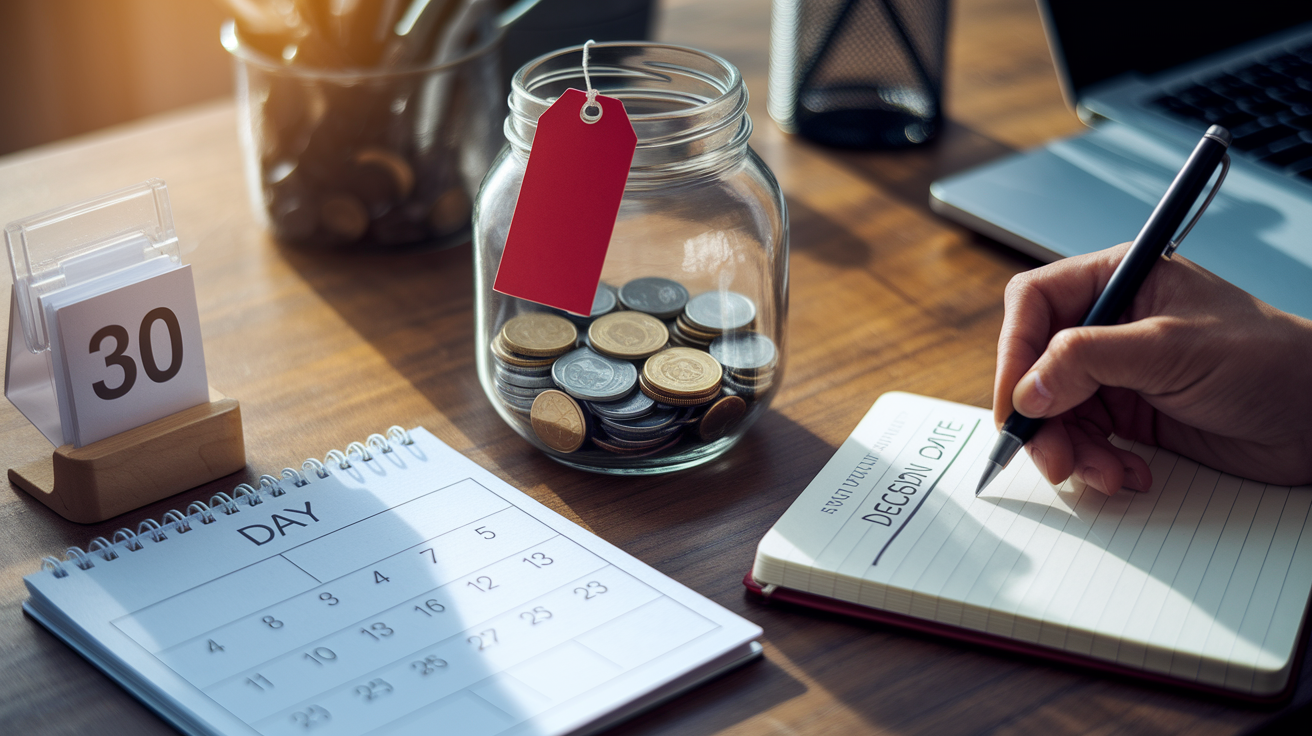
The 30 day savings rule is a simple decision framework that tells you to pause for 30 days before buying anything non-essential. When something catches your eye, you write down the item name, price, where you saw it, and a decision date 30 days out. Then you move the amount you would’ve spent into a savings account. After 30 days, you either buy it or keep the cash.
This matters because it creates friction between wanting something and actually getting it. Most impulse purchases lose their shine over time. Delaying the decision cuts regret, reduces unnecessary spending, and turns those “I need this now” moments into chances to build savings. You end up spending on what truly matters to you, not just what grabbed your attention.
The process creates a cooling off period that separates emotional triggers from your wallet. During those 30 days, your saved money can earn interest. You get time to think about whether the purchase lines up with bigger goals. If the want fades, you keep the money. If it sticks around, you buy guilt free because you’ve proven the purchase actually matters.
How the 30‑Day Savings Rule Works Step‑by‑Step

The rule works best when you follow the same process every time. Having clear steps removes guesswork and makes it easier to say “not yet” instead of “no.”
Here’s the full method:
-
Pause immediately. Close the tab, leave the store, put down your phone. Stop the purchase from happening on impulse.
-
Write down the details. Record the item name, exact price, where you found it, and today’s date. Add a decision date 30 days from now.
-
Put the note somewhere visible. Pin it to your fridge, add it to a notes app you check daily, or use a wish list tracker so you don’t forget.
-
Transfer the purchase amount into a designated savings account. Move that cash out of checking and into a high yield savings account, a sinking fund, or another goal based bucket. Make it real.
-
Set a reminder for 30 days out. Use your phone calendar, a budgeting app, or a sticky note to trigger a check in at the end of the wait.
-
Decide after 30 days. Review the item. If you still want it, use the saved funds to buy it. If the desire has faded, leave the money in savings and celebrate.
This turns every impulse into a small savings opportunity and gives you time to compare the purchase against your other priorities.
Benefits of the 30‑Day Spending Pause for Budgeting and Savings

Financially, the 30 day rule builds your savings with money you would’ve blown on stuff you didn’t need. Every item you skip means cash you can redirect toward an emergency fund, debt payoff, or a bigger goal like a car or home down payment. It creates a buffer that grows each time you resist, and parking the money in a high yield savings account lets it earn interest while you wait.
Behaviorally, the rule cuts down on buyer’s remorse and lowers financial stress by letting you want something without the pressure to buy it right now. You’ll spend less time regretting purchases and more time feeling confident about the decisions you do make. The waiting period also trains your brain to ignore marketing urgency. Those “limited time only” tactics lose power when you know you’ll circle back in 30 days.
Long term, the habit supports every budgeting strategy because it increases your awareness of how often you’re tempted and how much money you actually keep when you delay. Automating the transfer makes it easier to hit savings targets, and watching the balance grow can speed up progress toward milestones like a fully funded emergency fund or clearing high interest credit card debt.
Examples of Purchases That Are Ideal for the 30‑Day Rule
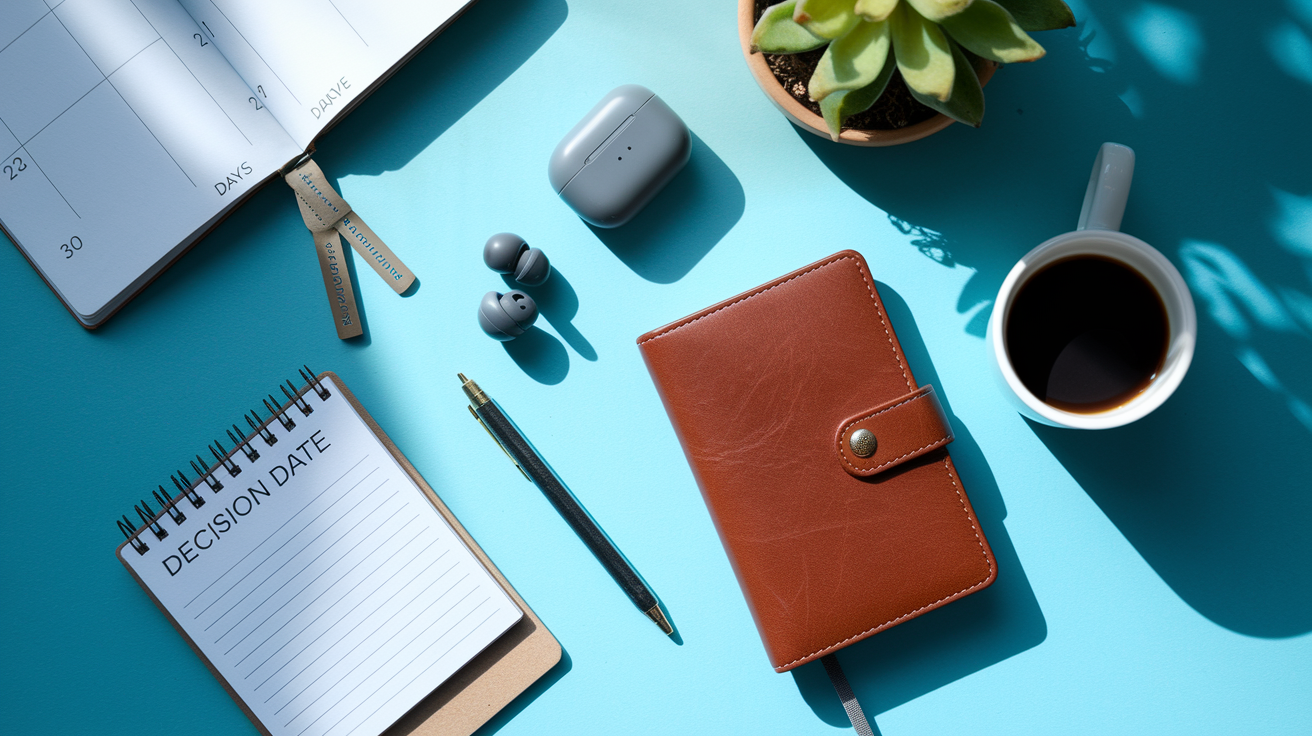
The 30 day rule works best on purchases that are discretionary, emotion driven, or expensive enough to mess with your monthly budget. Big ticket items benefit the most because the cost is high and the regret potential is larger.
Use the rule on these:
-
Electronics and gadgets. Laptops, tablets, headphones, gaming consoles, smart home devices. Tech prices often drop, and new models show up within weeks.
-
Furniture and home decor. Patio sets, couches, accent chairs, lamps, rugs. These rarely qualify as urgent, and waiting helps you find better prices or realize the space works fine as is.
-
Vacations and travel upgrades. Flight upgrades, hotel splurges, last minute trips. Planning travel 30 days ahead also opens access to better rates and lets you budget properly.
-
Wardrobe upgrades and non-essential clothing. Designer jeans, trendy jackets, shoes you don’t need. If your current wardrobe functions, wait and see if the desire sticks.
-
Hobby gear and special interest equipment. Camera lenses, fitness equipment, musical instruments. New hobbies often fade, and waiting prevents spending on gear that collects dust.
-
Seasonal sales temptations. Black Friday deals, end of season clearance, flash sales. Urgency drives these promotions, and a 30 day pause reveals whether the discount was worth it or just good marketing.
Exceptions: When Not to Use the 30‑Day Rule
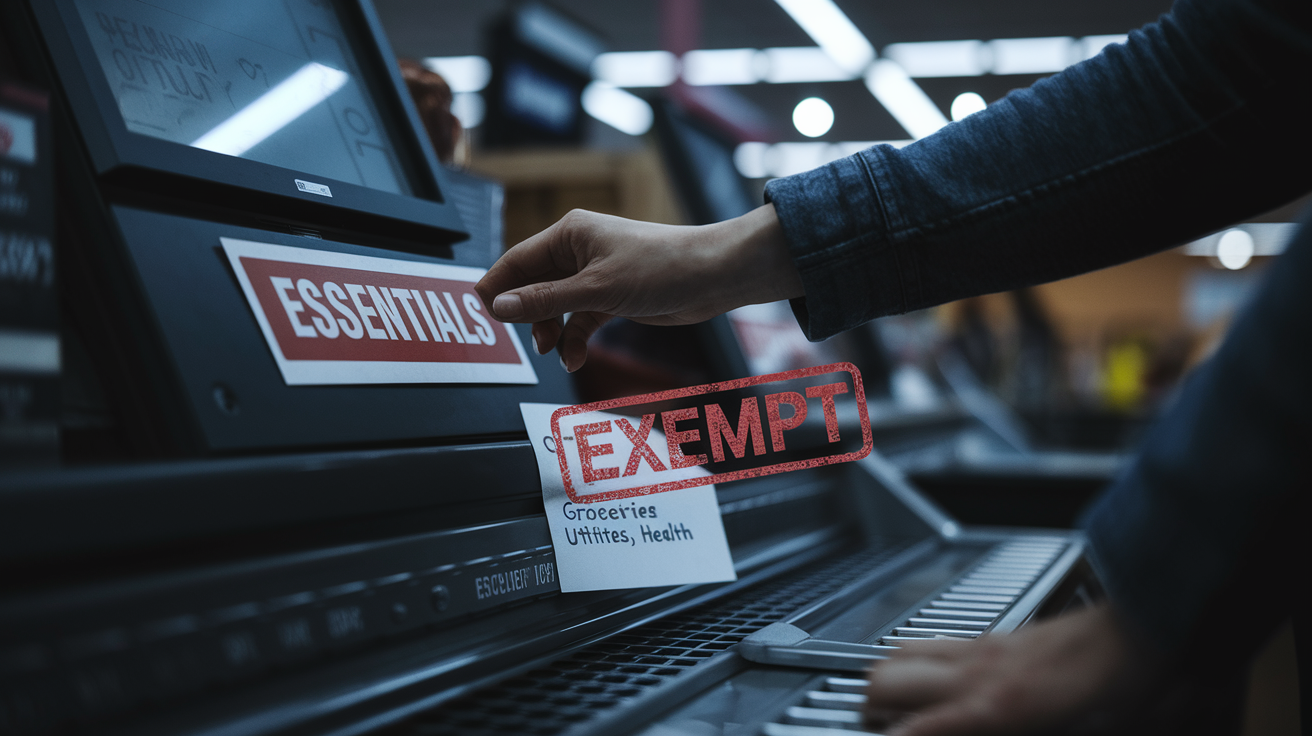
The rule should never delay genuine needs or create hardship. Essentials that keep your household running, protect your safety, or address immediate health concerns get purchased right away.
Skip the rule for these:
-
Groceries and household staples. Food for meals, toilet paper, cleaning supplies, toothpaste. If you’re out, buy it.
-
Utilities and transportation. Gas for your commute, car repairs that affect safety, electric and water bills.
-
Necessary clothing and school supplies. Kids’ shoes when theirs no longer fit, required school items, winter coats in cold climates.
-
Health and safety emergencies. Medications, urgent medical care, broken appliances that create hazards.
The difference is simple. Needs solve problems or prevent harm. Wants add comfort, style, or entertainment. If skipping the purchase for 30 days would create a real problem, it’s a need.
Tips for Successfully Using the 30‑Day Rule Every Month

Sticking to the rule gets easier when you build small habits and use tools that remove decision fatigue. Here’s what helps:
-
Keep a running wish list. Use a notes app, spreadsheet, or piece of paper to log every impulse. Reviewing the list at the end of the month shows how many items you forgot about.
-
Set phone reminders for each decision date. Calendar alerts keep you honest and prevent expired waiting periods from turning into accidental purchases.
-
Automate transfers to savings. Move the purchase amount immediately after logging it. Treat it like the money is already spent, just in a different direction.
-
Use a budgeting app to track progress. Apps like YNAB, Mint, or EveryDollar can tag skipped purchases and show how much you’ve saved by waiting.
-
Rank each item against your top financial goal. Ask yourself: does this purchase move me closer to paying off my credit card, building my emergency fund, or saving for a car? If it doesn’t, the choice gets clearer.
-
Deposit saved money into a high yield savings account. Watching the balance grow faster with interest adds motivation and makes the rule feel rewarding.
-
Budget for occasional treats. Allow yourself one or two small indulgences per month, like that $7 coffee, so the rule doesn’t feel punishing. Use cashback or a tiny “fun money” line item to cover it.
Related 30‑Day Savings Challenges That Boost Results

You can stack the 30 day savings rule with other short term challenges to speed up progress and build momentum. These challenges turn small habits into measurable wins.
Save Spare Change
Round up programs automatically save the difference between your purchase total and the next whole dollar. If you spend $6.75 on lunch, the app rounds to $7.00 and saves the $0.25. Over 30 days, those micro amounts add up. Ten purchases per week at an average $0.30 per round up equals about $12 saved per month without effort. Apps like Acorns, Qapital, or your bank’s round up feature handle the transfers automatically.
No Dining Out Challenge
Commit to skipping restaurants, coffee shops, and delivery for 30 days. If you typically spend $10 per weekday on lunch and coffee, that’s $50 per week or roughly $200 per month. Replace it with homemade coffee and packed lunches, then transfer the $200 you didn’t spend into savings at the end of the month. The challenge highlights how daily conveniences add up and gives you a clear savings target.
Save $500 in 30 Days
Break $500 into bite sized daily or weekly goals. Saving $500 in 30 days means about $17 to $18 per day, or $125 per week. Tactics include pausing one or two subscription services, skipping non-essential purchases, selling items you no longer use, or picking up a short term side gig like dog walking or rideshare driving on weekends. Track progress weekly to stay on pace, and celebrate small milestones at $125, $250, and $375.
Comparison: 30‑Day Rule vs. 24‑Hour Rule
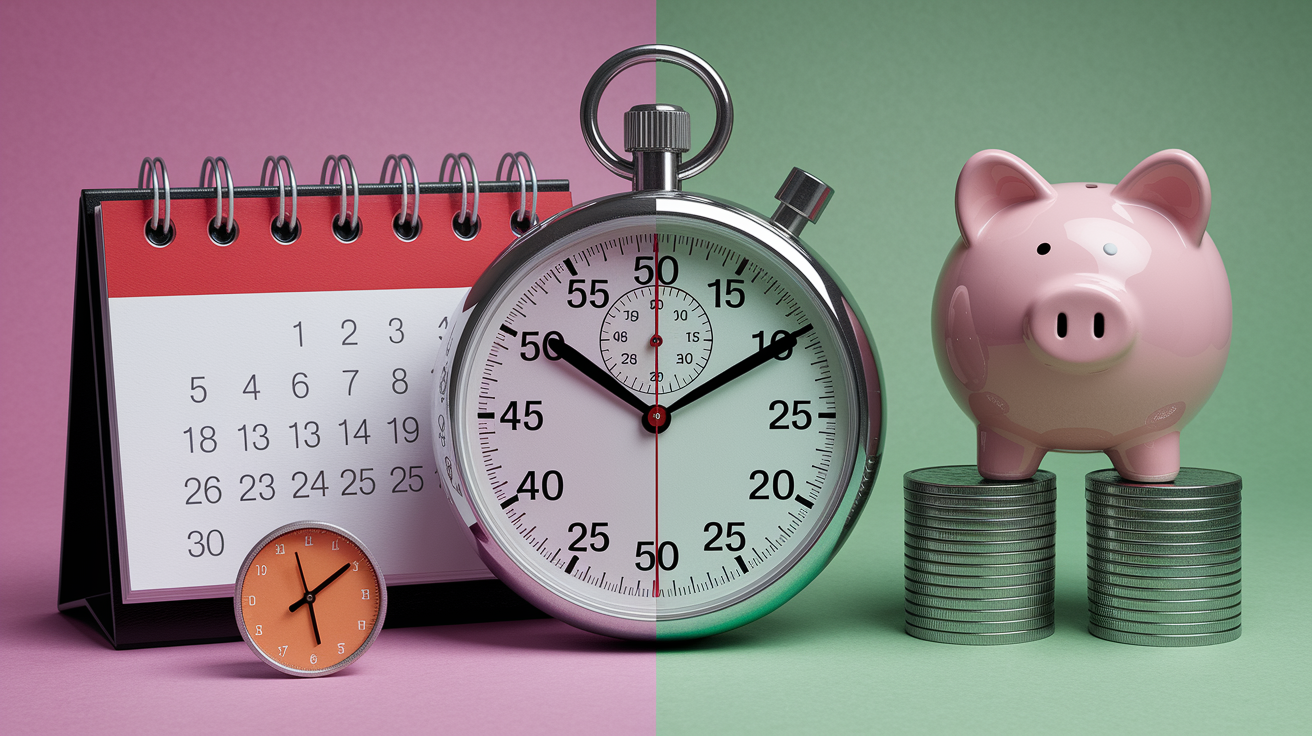
The 24 hour rule asks you to wait one day before buying something, giving a brief cooling off window to reconsider smaller purchases. It works well for low cost impulses like a $15 book, a $25 kitchen gadget, or an app subscription. The 30 day rule is designed for larger, more significant purchases where the financial impact is higher and the emotional pull is stronger.
| Waiting Rule | Best For | Timeframe |
|---|---|---|
| 24‑Hour Rule | Small purchases under $50, quick impulses, subscription sign‑ups | Wait 1 day, then decide |
| 30‑Day Rule | Big‑ticket items over $100, emotionally driven buys, major upgrades | Wait 30 days, save the amount, then decide |
Use the 24 hour rule when speed matters and the cost is low. Use the 30 day rule when the purchase could derail your monthly budget or when you want to confirm long term value.
Simple 30‑Day Tracking Template to Stay Consistent
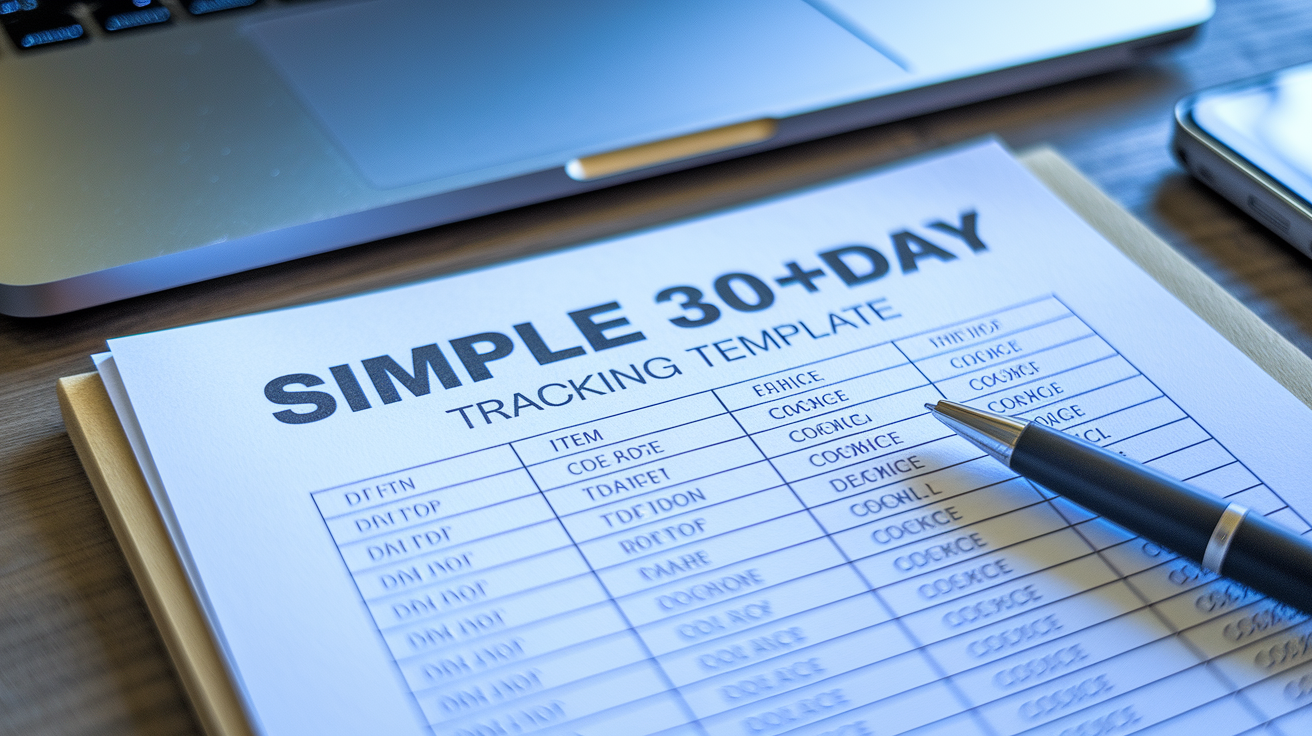
A tracking table keeps all your waiting period purchases in one place and makes it easy to review progress at the end of each month. Record every impulse, then fill in your final choice after 30 days.
| Item | Price | Where Seen | Date Added | Decision Date | Final Choice |
|---|---|---|---|---|---|
| Wireless earbuds | $89 | Amazon | April 1 | May 1 | Saved |
| Patio chair set | $240 | Home Depot | April 5 | May 5 | Bought 2 chairs ($120), saved $120 |
| Leather jacket | $175 | Local boutique | April 10 | May 10 | Saved |
| Standing desk | $320 | Wayfair | April 15 | May 15 | Bought |
| Smartwatch | $199 | Best Buy | April 20 | May 20 | Pending |
Final Words
You learned the 30‑day savings rule: delay any nonessential purchase, write the item and price, move the money into savings, then decide after 30 days.
If you’re still asking what is the 30 day savings rule, try it on one impulse this week—set a reminder and treat the money like reserved cash.
If you only do one thing: start that wish list and automate a transfer. Small pause, steady savings, and fewer regrets ahead.
FAQ
Q: What is the 30 day rule to save money?
A: The 30 day rule to save money is a 30-day waiting period for non-essential purchases where you note the item and put its price into savings; after 30 days you buy or keep the money.
Q: What items are OK to buy during a no spend challenge?
A: Items okay during a no-spend challenge are essentials like groceries, gas, prescriptions, bills, work or school expenses, and urgent repairs; personal treats should only be allowed if you set them as part of your rules.
Q: At what age should you have $100,000 saved?
A: The age you should have $100,000 saved depends on income, goals, and costs; a common target is mid-30s to mid-40s if you’re on a steady saving path, but personal factors change this.
Q: How long will $500,000 last using the 4% rule?
A: Using the 4% rule, $500,000 will support about $20,000 per year, which could last indefinitely in theory, but actual longevity depends on investment returns, fees, and inflation.