


Could consolidating your debt tank your credit score?
Short answer: you may see a small dip, often 5 to 15 points, right after you apply, from a hard inquiry and a new account that lowers your average account age.
But that’s usually temporary.
If you use consolidation to pay off cards, keep old accounts open, and make every monthly payment, your score will often recover and climb within 6 to 24 months.
Here’s the thesis: consolidation can hurt short term but usually helps long term if you avoid late payments and new charges.
Understanding the Credit Impact of Debt Consolidation
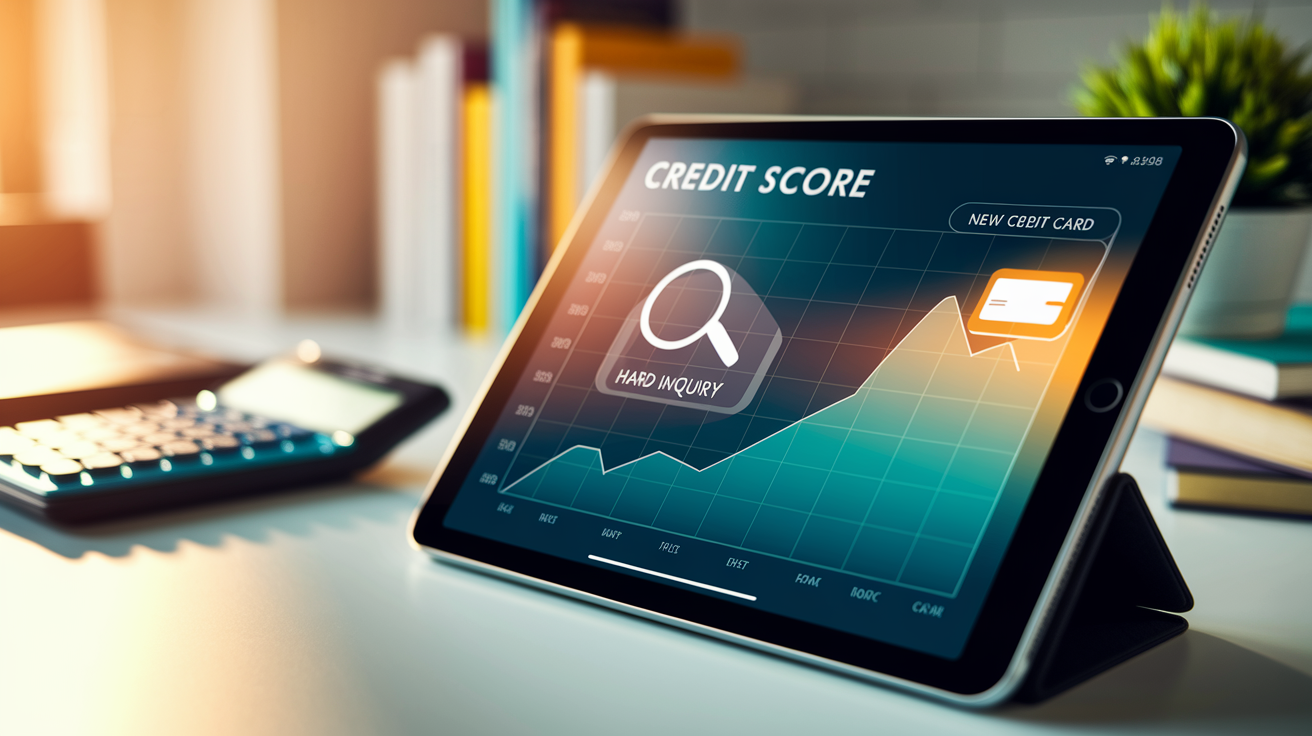
Debt consolidation can hurt your credit in the short term, but if you handle it right, your score often climbs over the next few months and years. The initial dip usually comes from a hard inquiry when you apply for a new loan or card, plus opening a new account that drags down your average credit age. That combo typically shaves off 5 to 15 points, sometimes more depending where you started. Good news? Those effects fade as the months tick by and you prove you can make steady payments.
Your longer term credit outcome depends almost entirely on how you use the consolidation. Paying off revolving credit card balances with a personal loan or transfer can slash your credit utilization instantly. Utilization represents 30% of your FICO score, so you can see visible improvement within one or two billing cycles. On time payments are the heaviest factor at 35% of your score, which means every month you pay your consolidation debt on schedule adds positive history. If you keep old accounts open, avoid late payments, and resist the temptation to run up new balances, your score will usually climb beyond where it was before consolidation within 12 to 24 months.
The most common reasons consolidation temporarily lowers credit scores are:
Hard inquiry: applying for a new loan or credit card triggers a credit check that can reduce your score by 2 to 10 points.
New account reduces average age: opening a fresh account lowers the average age of all your accounts, which can knock off another few points until the account matures.
Closing paid off credit cards: shutting down accounts after a payoff reduces your total available credit, which can push utilization higher and hurt scores within a few months.
High utilization on a balance transfer card: moving balances to a single card can spike that card’s utilization if the credit limit is low, temporarily offsetting gains until you pay it down.
Key Credit Score Factors Influenced by Debt Consolidation

FICO scoring models weigh five main factors. Payment history sits around 35%, credit utilization around 30%, length of credit history around 15%, new credit around 10%, and credit mix around 10%. Consolidation touches each of these areas, which is why your score can move in multiple directions at once. Understanding the mechanics helps you predict where your score will land and how fast it’ll recover.
Credit utilization is the easiest to improve through consolidation. Moving $8,000 of card debt onto a personal loan can drop those card balances to zero and take your revolving utilization from 80% down to 0%. You’ll often see a noticeable score bump within one or two statement cycles. Payment history remains king, so every on time monthly payment you make on your consolidation loan adds to the positive track record that rebuilds trust with lenders. Missing even a single payment can erase months of progress. Late payments can drop scores by 60 to 110 points and remain visible for seven years.
| Factor | How Consolidation Affects It | Timeline for Impact |
|---|---|---|
| Payment History (~35%) | On time loan payments build positive history; late payments cause severe damage | Ongoing monthly impact; late marks remain 7 years |
| Credit Utilization (~30%) | Paying off revolving balances lowers utilization; transferring to a single card may spike utilization temporarily | 1–2 billing cycles for new balances to report |
| Length of History (~15%) | New consolidation account lowers average age; closing old accounts can reduce history length | New account effect: 12–24 months to stabilize |
Positive Credit Effects of Using Debt Consolidation Strategically

When you replace scattered credit card balances with a single installment loan or transfer, you create a structured repayment schedule with a fixed end date. That predictability makes it much easier to budget and ensure on time payments each month. Consistent payments over six to 12 months build the positive history that drives long term score gains. The loan also adds an installment account to your credit mix, which can help scores slightly if you previously had only revolving accounts.
Lower revolving utilization is the most immediate positive effect. If you’re carrying $10,000 across three credit cards and you consolidate that into a personal loan, those cards report zero balances within a month or two and your revolving utilization can fall from 70% to nearly 0%. Utilization below 30% is the baseline target. Getting under 10% delivers even stronger gains. Those improvements typically show within one or two billing cycles as the lower balances reach credit bureaus.
The long term credit benefits of consolidation compound when you avoid common mistakes like closing accounts or racking up new debt. Key benefits:
Predictable monthly payment: fixed amount and fixed due date reduce the risk of late payments and budget surprises.
Lower interest costs: freeing up money each month can make it easier to pay above the minimum, accelerating principal payoff and further improving utilization.
Improved credit mix: an installment loan alongside revolving accounts provides scoring diversity.
Fewer accounts to juggle: one payment instead of four or five reduces administrative burden and missed payment risk.
Stronger payment history trend: every on time payment reinforces the positive trajectory that rebuilds credit over months and years.
Short Term Credit Risks Associated With Debt Consolidation

Hard inquiries are unavoidable when you apply for a new loan or balance transfer card. Each hard pull can reduce your score by 2 to 10 points and remains on your report for two years, though most of the impact fades within three to 12 months. Opening a new account also lowers the average age of your credit file, especially if you only have a few accounts. That effect can persist for 12 to 24 months until the new account matures and your average age climbs back.
Another short term risk is the temptation to reuse paid off credit cards. If you consolidate $6,000 of card debt but then charge another $2,000 on those cards because the available credit is sitting there, you’ve only made your debt situation worse and you’ve probably hurt your utilization again. Missing a payment on your consolidation loan or any other account after consolidation can drop your score by 60 to 110 points. That late payment will haunt your credit for seven years, so the stakes are higher once you take on a new obligation.
How Closing Accounts Can Hurt Your Utilization
Closing credit cards after you pay them off feels like a victory, but it shrinks your total available revolving credit immediately. If you had $20,000 in available credit and you close a card with a $5,000 limit, you now have $15,000. If you carry even a small balance on your remaining cards, your utilization percentage jumps and your score can drop within a month or two. The effect is particularly noticeable if you close your oldest account, because that also reduces the average age of your credit history. Keep old accounts open with zero or near zero balances whenever possible. Only close them if there’s an annual fee you can’t justify or a compelling reason that outweighs the credit impact.
Comparison of Debt Consolidation Methods and Their Credit Impact
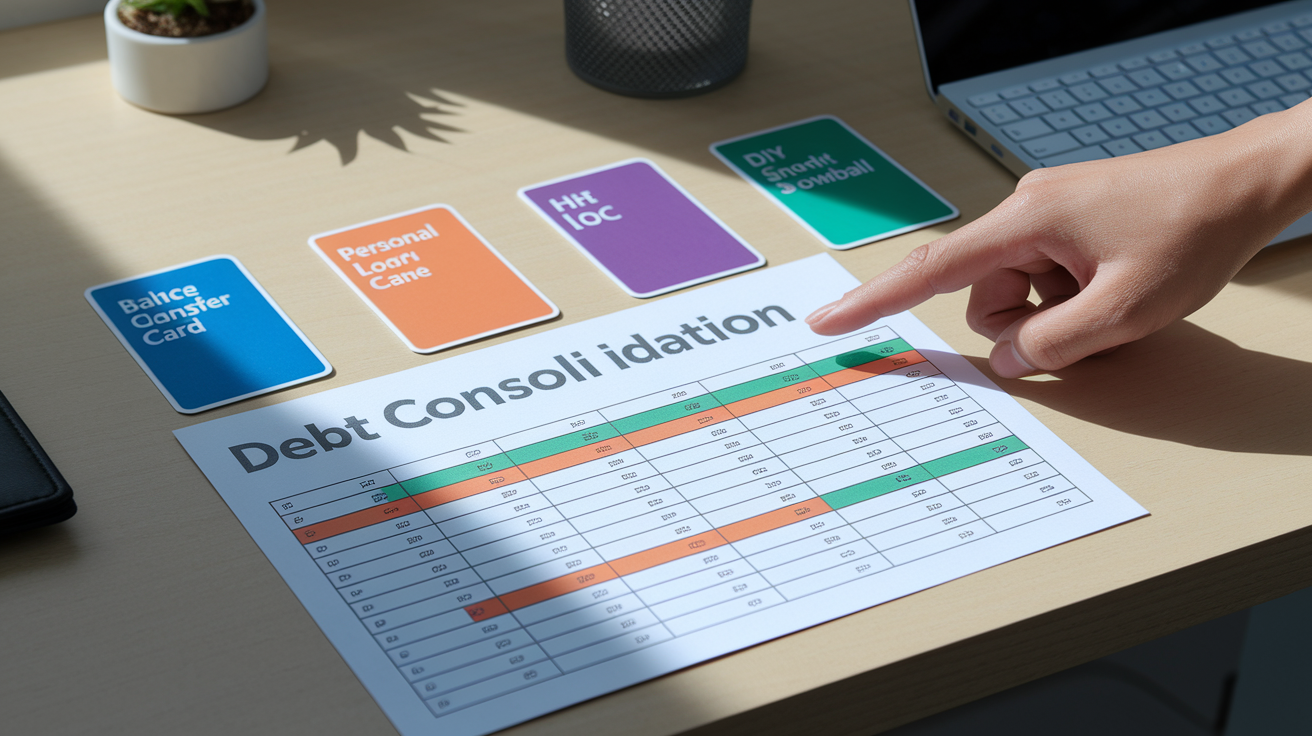
Balance transfer credit cards offer promotional 0% interest periods that can last up to 21 months, making them attractive if you can pay off the balance before the promo expires. Most charge a balance transfer fee of 3% to 5% of the amount transferred. You generally need a credit score in the mid 600s or higher to qualify. Opening a new card triggers a hard inquiry and lowers your average account age, which can produce a temporary 5 to 15 point dip. If the credit limit on your new card is lower than the combined limits of your paid off cards, your revolving utilization may actually spike on the new card until you pay it down, so watch your limit carefully.
Personal loan consolidation typically involves borrowing between $1,000 and $50,000 at a fixed interest rate over a fixed term, producing predictable monthly payments and a clear payoff date. Paying off revolving credit card balances with loan proceeds can drop your utilization to near zero almost immediately, often delivering a score improvement within one or two billing cycles. The downside is the same hard inquiry and new account age reduction you get with a balance transfer, but you gain the benefit of an installment account in your credit mix. This can help your score over time if you previously had only credit cards.
Home equity loans or home equity lines of credit offer lower interest rates because your home secures the debt, but that security comes with serious risk. If you default, the lender can foreclose on your home, turning unsecured credit card debt into a potential loss of shelter. Opening a home equity account involves a hard inquiry and often includes closing costs. The new secured debt will appear on your credit report. The credit impact is similar to other consolidation methods. Temporary dip from the inquiry and new account, potential improvement from lower revolving utilization if you use the funds to pay off cards. But the stakes are much higher if you can’t keep up with payments.
| Method | Credit Impact | Best For |
|---|---|---|
| Balance Transfer Card | Hard inquiry; new account lowers average age; can spike utilization if limit is low; promo period helps pay down debt faster | Mid 600s+ credit; can pay off balance within 6–21 months; want to avoid interest |
| Personal Loan | Hard inquiry; new account effect; improves utilization if you pay off cards; adds installment variety | Need $1,000–$50,000; want fixed payments and timeline; mid to high credit score for better rates |
| Home Equity Loan / HELOC | Hard inquiry; new secured debt; improves utilization if cards are paid off; foreclosure risk if you default | Homeowners with substantial equity; lower rates critical; comfortable with secured debt risk |
| DIY Snowball / Avalanche | No new account; no hard inquiry; utilization improves as you pay down balances; payment history remains key | Disciplined budgeters; want to avoid new credit applications; can accelerate payments above minimum |
Timelines for Credit Recovery After Debt Consolidation
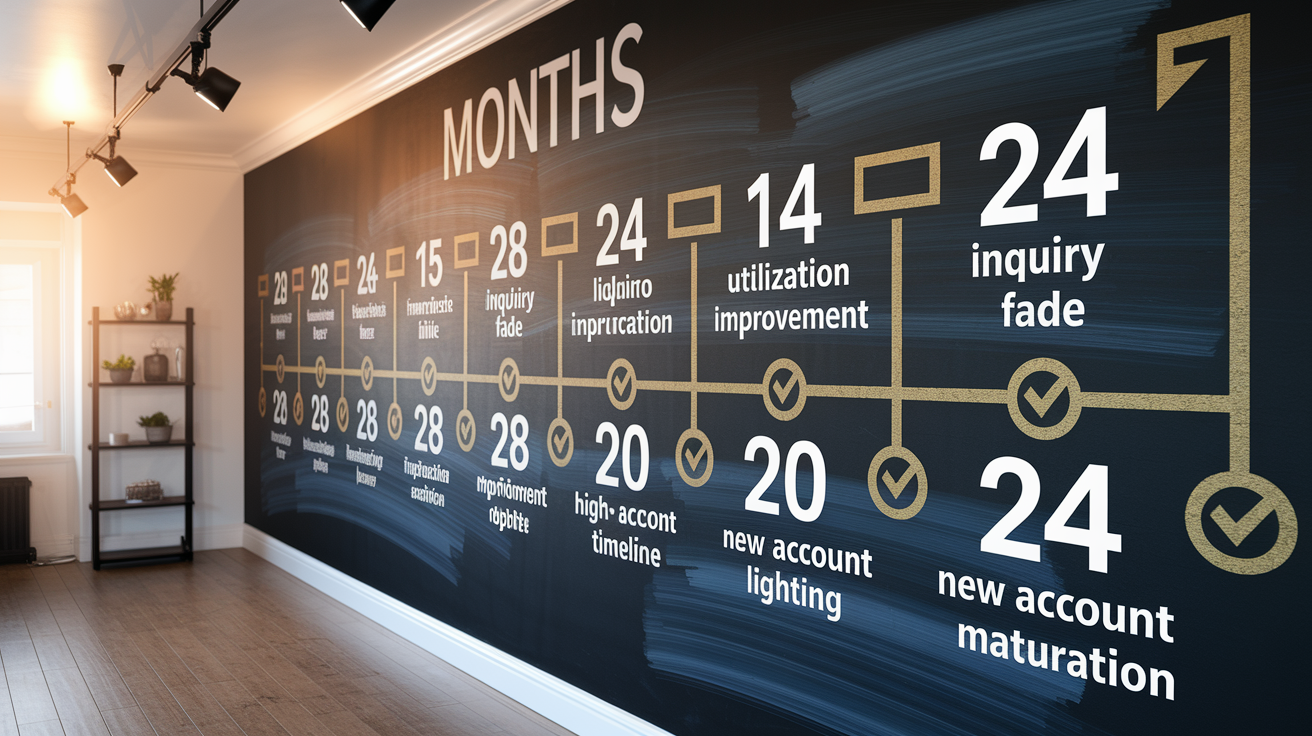
Most consolidation related score dips are temporary and follow predictable recovery timelines. Hard inquiries can reduce your score by 2 to 10 points immediately, but the impact usually fades within three to 12 months as the inquiry ages. The inquiry falls off your report entirely after 24 months. Opening a new account lowers your average credit age and can knock off another 5 to 15 points, but that effect stabilizes and reverses over 12 to 24 months as the new account matures and your other accounts continue to age.
Utilization improvements happen fastest. If you consolidate $10,000 of card debt into a personal loan and leave those cards open with zero balances, you can see a score bump within one or two billing cycles once the lower balances report to the credit bureaus. On time payment history builds month by month. Consistent payments over six to 12 months produce strong positive trends that can lift your score well above where it started. Late payments, if they occur, remain on your report for seven years, so avoiding them is critical to recovery.
Key milestones to expect:
1–2 months: utilization improvements report; initial score bump if revolving balances dropped significantly.
3–12 months: hard inquiry impact fades; positive payment history accumulates; new account age penalty begins to stabilize.
12–24 months: average credit age recovers as the new account matures; consistent on time payments drive steady score gains.
24 months and beyond: hard inquiry removed from report; long term payment history and low utilization create strong credit profile if habits remain solid.
Strategies to Minimize Credit Damage During Consolidation
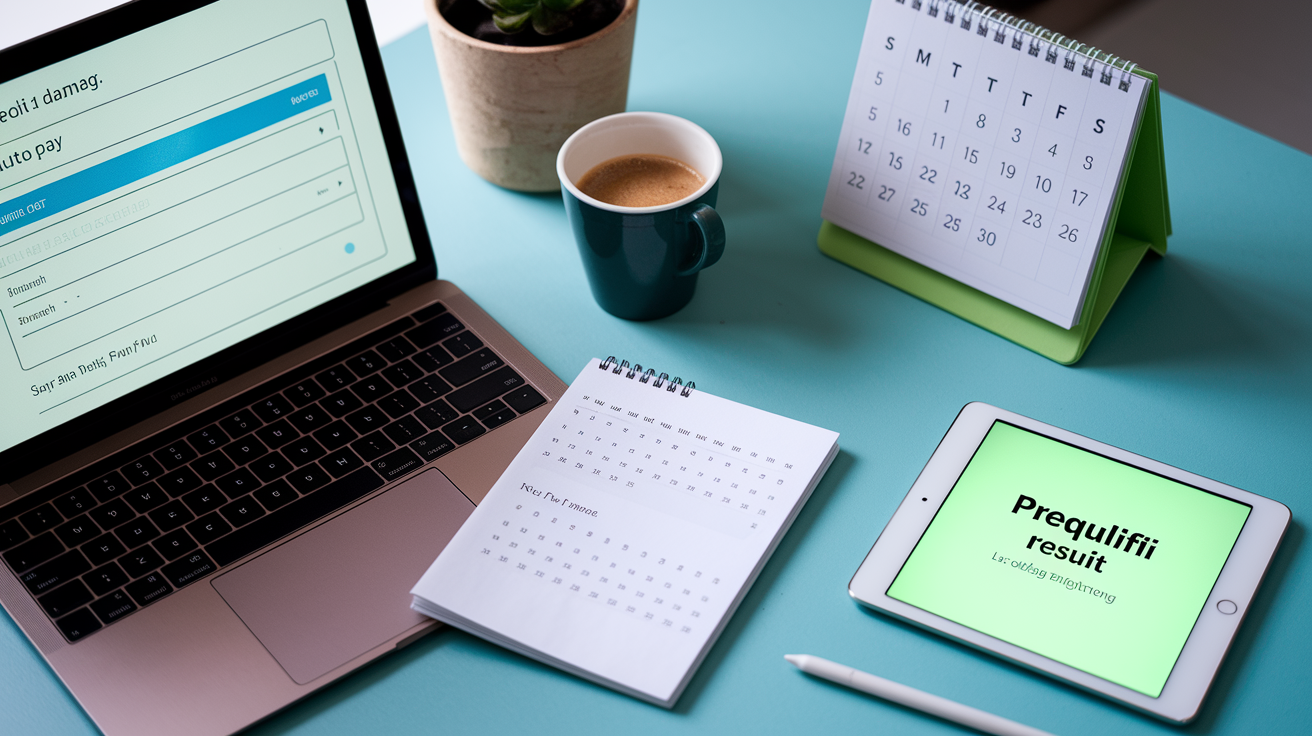
Soft prequalification tools let you check estimated rates and terms without triggering a hard inquiry, so use them before you formally apply. Many lenders and balance transfer card issuers offer soft pulls that show whether you’re likely to be approved and at what rate. This gives you the information you need to compare options without dinging your score multiple times. Once you’ve narrowed your choice, submit a single application to minimize inquiries.
Leave paid off credit card accounts open whenever possible. Closing them reduces your total available credit and pushes your utilization percentage higher, which can hurt your score within a month or two. If the card has no annual fee, keep it open and use it for a small recurring charge like a streaming subscription, then set up autopay to pay it off each month. That keeps the account active, preserves your available credit, and adds positive payment history without any risk of running up debt.
Set up automatic payments on your consolidation loan or transfer card to ensure you never miss a due date. Payment history is 35% of your score. Even a single late payment can drop you by 60 to 110 points and remain on your report for seven years. Autopay removes human error from the equation and protects your most important scoring factor. If you prefer manual payments, set calendar reminders a few days before the due date so you have time to make the payment if cash flow is tight.
Practical actions to protect your credit during and after consolidation:
Use soft prequalification to compare offers without hard inquiries, then submit one formal application.
Leave old credit card accounts open with zero or near zero balances to preserve available credit and keep utilization low.
Set up autopay or calendar reminders to guarantee on time payments every month.
Keep utilization below 30% on any remaining revolving accounts, and aim for under 10% for best results.
Avoid new credit applications while paying down your consolidation debt to prevent additional hard inquiries and new account age effects.
Monitor your credit reports regularly using a credit monitoring guide to catch errors, confirm balances are reporting correctly, and track your score recovery.
Alternatives to Debt Consolidation and Their Credit Effects
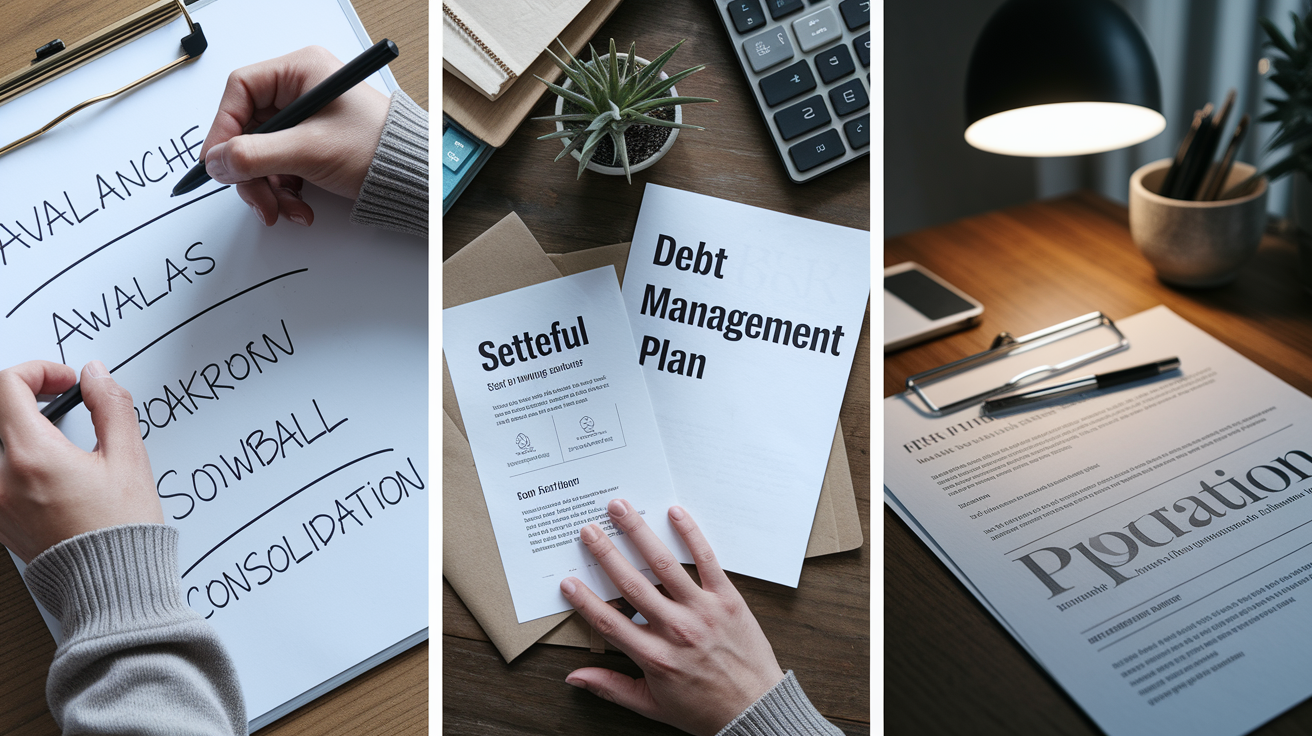
DIY debt payoff methods like the avalanche or snowball approach require no new credit applications, which means no hard inquiries and no new account to lower your average age. The avalanche method pays off the highest interest debt first, minimizing total interest paid, while the snowball method tackles the smallest balance first to build momentum and quick wins. Both improve your credit over time as balances drop and utilization falls. Your payment history remains strong as long as you make every minimum payment on time. The trade off is that you don’t benefit from a lower interest rate or simplified payment structure, so you need discipline and a budget that frees up enough cash to accelerate payments.
Debt settlement involves negotiating with creditors to accept less than the full balance owed, often through a settlement company. This approach severely harms your credit because it typically requires you to stop making payments so the creditor becomes willing to negotiate. That means late payments and potential collections appear on your report. Settled accounts can remain on your credit for up to seven years. The damage from missed payments can drop your score by 100 points or more. Settlement is risky, expensive due to company fees, and should only be considered when bankruptcy is the only other option.
Bankruptcy is the most severe alternative and stays on your credit report for seven to 10 years depending on whether you file Chapter 7 or Chapter 13. Your credit score can drop by 200 points or more immediately. Lenders will see the bankruptcy flag for years, making it difficult to qualify for new credit, rent an apartment, or even get certain jobs. Bankruptcy does provide legal protection and a path to discharge unsecured debts, but it’s a last resort after exhausting consolidation, debt management plans, and settlement.
Debt Management Plans
Debt management plans are structured repayment programs offered through nonprofit credit counseling agencies. The counselor negotiates with your creditors to lower interest rates and waive fees, then you make a single monthly payment to the agency, which distributes it to your creditors. Enrollment may require closing or freezing your credit card accounts, which reduces your available credit and can temporarily lower your score by raising utilization and shortening average account age. As you make consistent payments through the plan and balances decline, your score should recover and potentially improve over the course of the program, which typically lasts three to five years. The trade off is that some lenders may view a DMP notation on your credit report as a negative signal, though the impact is generally less severe than settlement or bankruptcy.
Final Words
When you act, expect a small, temporary score dip from a hard inquiry, a new account, or shifts in credit utilization. Those drops are usually 2–15 points and fade in months.
Longer-term results hinge on payment history and lower revolving balances. Pay on time, keep utilization low, and leave cards open when you can.
So does debt consolidation hurt your credit? It can briefly, but used right it often helps. If you do one thing this week: set up automatic payments and watch your balances.
FAQ
Q: Will debt consolidation ruin credit score?
A: Debt consolidation won’t necessarily ruin your credit score. Expect short-term dips from hard inquiries, a new account, or closed cards, but on-time payments and lower revolving balances usually improve score within months.
Q: What are the disadvantages of consolidation?
A: The disadvantages of consolidation include possible hard inquiry dips, higher total interest if terms are long, fees or balance-transfer charges, closing cards that raise utilization, and risk to collateral for home-secured loans.
Q: How much is the payment on a $50,000 consolidation loan?
A: The payment on a $50,000 consolidation loan depends on interest rate and term. For example, at 8% APR it’s about $1,014/month for 5 years or $607/month for 10 years; use an exact calculator for your rate.
Q: How to pay off $30,000 in debt in 1 year?
A: To pay off $30,000 in debt in 1 year you need about $2,500/month (plus interest). Cut spending, increase income, apply extra payments to highest-rate debt, and use bonuses or a short-term low-rate loan.