


Think debt consolidation will wreck your credit?
It often causes a small, short-term drop when you apply or open a new account.
But if you use a personal loan or balance-transfer card to cut revolving balances and then pay on time, your score usually improves within months.
The thesis: expect a few points lost up front in exchange for simpler payments and lower credit utilization.
That can lift your score in 6 to 12 months, unless you miss payments or add more debt.
If you do one thing, keep paid-off cards open and make every payment on time.
Clear Breakdown of Whether Debt Consolidation Hurts Your Credit Score
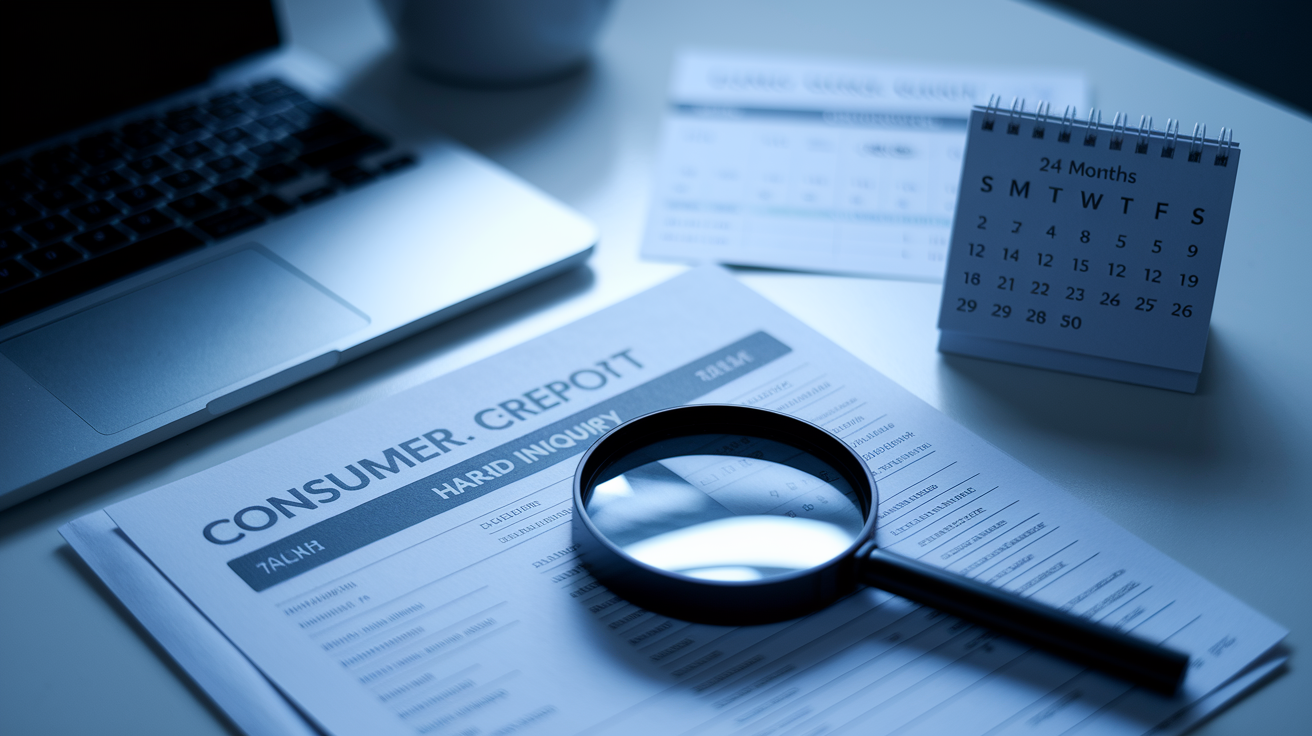
Debt consolidation typically drops your score a few points short term, but it can help over the next several months if you don’t mess up your payments. The temporary hit comes from a hard inquiry when you apply for a new loan or balance transfer card, plus the effect of opening a fresh account. That inquiry hangs around on your credit report for up to 24 months, but it only matters for score calculations during the first 12. Most people see a dip of just a handful of points, and that small drop usually reverses within weeks to months if you pay on time and knock down your balances.
The bigger picture matters more. Payment history is the largest factor in credit scores, and consolidation turns your monthly mess into a single payment. When you use a personal loan to wipe out revolving credit card balances, your credit utilization ratio often improves fast, sometimes within a single billing cycle. Lower utilization can boost your score by more than the initial inquiry hurt it. Recovery from the initial dip usually takes a few months, and you’ll see real improvement within 6 to 12 months if you stick to your payment plan and don’t pile on new debt.
The trade is simple. You eat a small, short-term score reduction in exchange for lower interest, easier payments, and the chance to rebuild stronger credit over time. If you qualify for a lower interest rate and you commit to not running up new balances on the cards you just cleared, consolidation should help your credit more than it hurts it. How fast depends on your starting score, the size of your balances, and how consistently you make payments, but the path is usually positive after the first few months.
How Debt Consolidation Affects Your Credit Score: Mechanics and Timeline

Credit scoring models look at five main factors, and debt consolidation touches most of them. When you apply for a consolidation loan or balance transfer card, the lender runs a hard credit inquiry. That inquiry lowers your score by a few points and stays visible on your report for 24 months, though it only affects score calculations for the first 12. Opening a new account also shifts your credit profile. A new installment loan or credit card reduces your average account age temporarily, which can cause a small dip. But average age increases over time as the new account gets older, so the negative impact fades on its own.
The most powerful change happens with credit utilization, which makes up roughly 30% of your credit score. Utilization measures how much of your available revolving credit you’re using. If you take out a personal loan and use it to pay off credit card balances, your revolving utilization can drop to near zero almost immediately. That shift often boosts your score within one or two billing cycles, sometimes enough to wipe out the inquiry hit. But if you transfer balances to a balance transfer card and max out that card’s limit, you’ve stacked your utilization on one account, which can hurt your score until you pay the balance down.
Payment history is the single largest scoring factor, so what you do after consolidating matters more than the mechanics of the consolidation itself. If the new loan or card gives you a lower interest rate and a clearer payment schedule, you’re more likely to pay on time every month. Consistent on-time payments build positive history and drive long-term score improvement. One missed payment on the new loan can erase months of progress and damage your score more than the original consolidation ever helped it. Credit mix also plays a small role. Adding an installment loan when you previously had only credit cards can modestly help your score by showing lenders you can manage different types of credit.
Here are the major credit components affected by debt consolidation:
- Hard inquiries — A new application triggers a hard pull that lowers your score by a few points for up to 12 months.
- Credit utilization — Paying off revolving balances with a personal loan reduces utilization and can raise your score quickly. Balance transfers shift utilization to the new card.
- Payment history — On-time payments on the new loan or card improve your score over time. Missed payments cause serious damage.
- Credit mix — Adding an installment loan diversifies your credit types, which can help slightly. Balance transfers keep debt revolving.
- Average account age — Opening a new account lowers your average age temporarily. The impact shrinks as the account ages and your other accounts grow older.
| Credit Factor | Impact Duration | Typical Recovery Timeline |
|---|---|---|
| Hard inquiry | Affects score for 12 months, visible for 24 months | Weeks to a few months if other factors improve |
| Credit utilization | Immediate when balances are paid or moved | 1 to 2 billing cycles for utilization improvement to show in score |
| Payment history | Permanent record of each payment | 6 to 12 months of consistent on-time payments for measurable improvement |
Account Closures, Credit Age, and Utilization Changes
Closing old credit card accounts after you pay them off can hurt your score more than the consolidation itself. When you close a card, you remove that card’s credit limit from your available revolving credit. If you still carry balances on other cards, your utilization percentage jumps because you now have less total credit available. Say you had two cards with $5,000 limits each and a $2,000 balance on one. Your utilization was 20% across $10,000 of available credit. Close the paid-off card, and your utilization becomes 40% on the remaining $5,000 limit, even though your balance didn’t change. Opening a new consolidation loan also lowers your average account age. If your oldest card is 10 years old and you open a brand-new loan, the average age of all your accounts drops. That reduction can depress your score temporarily, but the impact fades over months and years as the new account ages and your older accounts continue to mature.
Utilization improvements happen fastest when you pay revolving balances down to near zero. If you use a personal loan to wipe out credit card debt, those cards report $0 balances to the credit bureaus within a billing cycle or two, and your revolving utilization falls. Scores often respond within weeks. The trick is keeping those cards at low or zero balances while you pay down the new loan. Avoid these common utilization mistakes:
- Closing paid-off credit cards right away, which reduces your total available credit and raises your utilization percentage on remaining cards.
- Maxing out a balance transfer card in one move, which stacks utilization on that single card and can lower your score.
- Running up new balances on the cards you just paid off, which increases total debt and pushes utilization back up.
- Opening multiple new credit accounts in a short span, which adds several hard inquiries and lowers average age even further.
Keep old accounts open unless they carry annual fees you can’t afford. Let the new consolidation loan age naturally and focus on paying it down steadily. Your average account age will recover, and your utilization will stay low if you avoid new debt.
Credit Score Effects of Different Debt Consolidation Methods

Not all consolidation methods affect your credit the same way. Personal loans, balance transfer cards, and home-secured options each interact with credit scoring factors differently. The method you choose changes how quickly you see improvement and how much short-term risk you’re taking on.
Personal Loan Consolidation and Credit Behavior
A personal loan is an installment loan with fixed monthly payments and a set payoff date. When you use a personal loan to pay off credit cards, you convert revolving debt into installment debt. That conversion often lowers your revolving utilization to near zero, which can boost your score quickly because utilization makes up about 30% of your score. The loan application triggers a hard inquiry that dings your score by a few points, and opening the new account lowers your average account age temporarily. Personal loan APRs range from about 6.7% to 35.99%, and terms run from 12 to 120 months. If you qualify for a rate lower than your credit card rates and you keep the paid-off cards open, the long-term credit benefit usually beats the short-term dip. The main risk is missing a payment on the new loan, which damages your score more than any consolidation benefit could help it.
Balance Transfer Cards and Credit Utilization Impact
A balance transfer card lets you move existing credit card balances to a new card, often with a 0% introductory APR for 12 to 18 months or sometimes up to 21 months. The catch is a transfer fee, usually 3% to 5% of the amount you move. Because the debt stays revolving, your overall revolving utilization may not improve much unless the new card has a high credit limit and you pay the balance down hard during the promo period. If you transfer balances and the new card’s utilization jumps to 80% or 90%, your score can drop even though you consolidated. Balance transfer cards usually require good to excellent credit, often a score in the mid-600s or higher. The hard inquiry from applying will lower your score temporarily, and you’ll need to pay off the transferred balance before the 0% rate expires, or you’ll face high interest on whatever remains.
Home Equity or 401(k) Options and Long-Term Credit Risk
Home equity loans and home equity lines of credit use your house as collateral, which means you can often get lower interest rates even with weaker credit. A 401(k) loan lets you borrow up to half your vested balance, with a $50,000 maximum, and you repay yourself with interest. Both options can help you consolidate debt without the typical credit score effects of a new unsecured loan because they rely on collateral or your own retirement account. The trade is risk. If you default on a home equity loan, you can lose your home. If you leave your job or can’t repay a 401(k) loan, you face taxes and penalties, and you lose retirement savings. These methods avoid some short-term credit hits, but they introduce long-term financial and security risks that go beyond your credit score.
| Consolidation Method | Short-Term Credit Effect | Long-Term Credit Effect | Key Risks |
|---|---|---|---|
| Personal loan | Hard inquiry, lower average age, reduced revolving utilization | Improved payment history if paid on time, credit mix benefit | High APR if credit is weak, missed payments damage score |
| Balance transfer card | Hard inquiry, possible high utilization on new card | Improved utilization if paid down during promo, revolving debt remains | Transfer fee (3% to 5%), high interest after promo ends, requires good credit |
| Home equity loan/HELOC | Hard inquiry, new installment account | Lower interest often leads to faster payoff and score improvement | Home used as collateral, risk of foreclosure, closing costs |
| 401(k) loan | No hard inquiry or credit check | No direct credit effect, retirement savings at risk | Taxes and penalties if not repaid, lost retirement growth, job-change risk |
When Debt Consolidation Can Improve Your Credit Score

Debt consolidation improves your credit when it reduces your revolving balances, supports consistent on-time payments, and lowers your overall debt load. If you use a personal loan to pay off high-interest credit cards, your revolving utilization often drops to near zero within one or two billing cycles. That shift can raise your score quickly because utilization is weighted heavily in both FICO and VantageScore models. Scores often respond within weeks when utilization falls, especially if your balances were high before. The improvement continues as long as you keep those card balances low and make your loan payments on time.
Long-term improvement comes from payment history. Both FICO and VantageScore reward consistent on-time payments, and payment history is the largest single factor in your score. Consolidating multiple debts into one loan with a fixed monthly payment makes it easier to automate payments and avoid missed due dates. Over 6 to 12 months of on-time payments, many people see real score gains, sometimes 20 to 50 points or more depending on their starting score and how much their utilization improved. Adding an installment loan to a credit file that previously had only revolving accounts can also help your credit mix slightly, though the effect is smaller than utilization and payment history changes.
Consolidation tends to improve credit most when:
- Your revolving utilization is above 30% before consolidation and drops below 10% after you pay off cards with a loan.
- You automate payments on the new loan to make sure you never miss a due date.
- You leave paid-off credit cards open to preserve your total available credit and average account age.
- You avoid adding new debt to the cards you just paid off, so your total debt decreases instead of shifting around.
- You choose a consolidation product with a lower interest rate than your current debts, which speeds up payoff and reduces the total cost.
Risks: When Debt Consolidation Can Hurt Your Credit More Than Expected
Debt consolidation backfires when it leads to new debt, missed payments, or account closures that reduce your available credit. The most common mistake is paying off credit cards with a loan and then using those cards again. If you run up new balances after consolidating, your total debt increases, your utilization climbs back up, and you’re worse off than before. You now have the consolidation loan payment plus new credit card balances, and your score may drop because your utilization ratio is higher than it was before you started.
Closing old credit card accounts after paying them off can also hurt more than expected. When you close a card, you lose that card’s credit limit from your total available credit calculation. If you still carry any revolving balances on other cards, your utilization percentage jumps. Closing a card with a $10,000 limit might push your utilization from 20% to 40% overnight, even if your actual debt didn’t change. Opening multiple new credit accounts in a short period makes things worse. Each application triggers a hard inquiry, and each new account lowers your average account age, which can cause a larger temporary score drop than a single consolidation loan would.
Common consolidation mistakes that hurt credit include:
- Using paid-off credit cards for new purchases before the consolidation loan is paid off, which increases total debt and utilization.
- Closing several old credit card accounts at once, which reduces available credit and raises utilization on any remaining balances.
- Missing a payment on the new consolidation loan or balance transfer card, which damages payment history and can erase months of score improvement.
- Applying for multiple consolidation products in a short span (personal loan, balance transfer card, home equity loan), which stacks hard inquiries and new accounts.
Strategies to Protect Your Credit Score During Debt Consolidation

Prequalification is the simplest way to avoid unnecessary hard inquiries. Many lenders offer prequalification tools that use a soft credit pull to estimate your approval odds and rates. Soft pulls don’t affect your credit score, so you can shop multiple lenders without hurting your credit. Only submit a full application once you’ve identified the best offer. That approach limits you to one hard inquiry instead of several.
Set up automatic payments as soon as your consolidation loan or balance transfer card is active. Autopay protects your payment history, which is the largest factor in your credit score. One missed payment can drop your score by 50 to 100 points or more, depending on your starting score and credit history. Autopay removes the risk of forgetting a due date or miscalculating your budget. If you’re using a balance transfer card with a 0% promo period, calculate how much you need to pay each month to clear the balance before the promo ends, and set that amount on autopay.
Monitor your credit score and reports regularly during the consolidation process. Free monitoring tools and credit card issuers often provide score tracking and alerts for big changes. Monitoring lets you see how consolidation affects your score in real time and catch any errors or signs of identity theft early. If your score drops more than expected, check your credit reports for mistakes, like incorrect balances or accounts you didn’t open. Dispute errors quickly to minimize damage.
Follow these steps to protect your credit while consolidating debt:
- Prequalify with multiple lenders using soft pulls before submitting a full application to limit hard inquiries.
- Set up autopay on the new loan or balance transfer card right away to make sure you never miss a payment.
- Keep old credit card accounts open after paying them off to preserve your available credit and average account age, unless annual fees make closure necessary.
- Avoid opening new credit accounts or making large purchases on credit while you’re paying down the consolidation loan.
- Pay more than the minimum on the consolidation loan or balance transfer card to reduce balances faster and improve utilization.
- Monitor your credit score and reports monthly to track progress and catch any errors or unexpected score drops.
Alternatives to Consolidation and Their Credit Score Impact
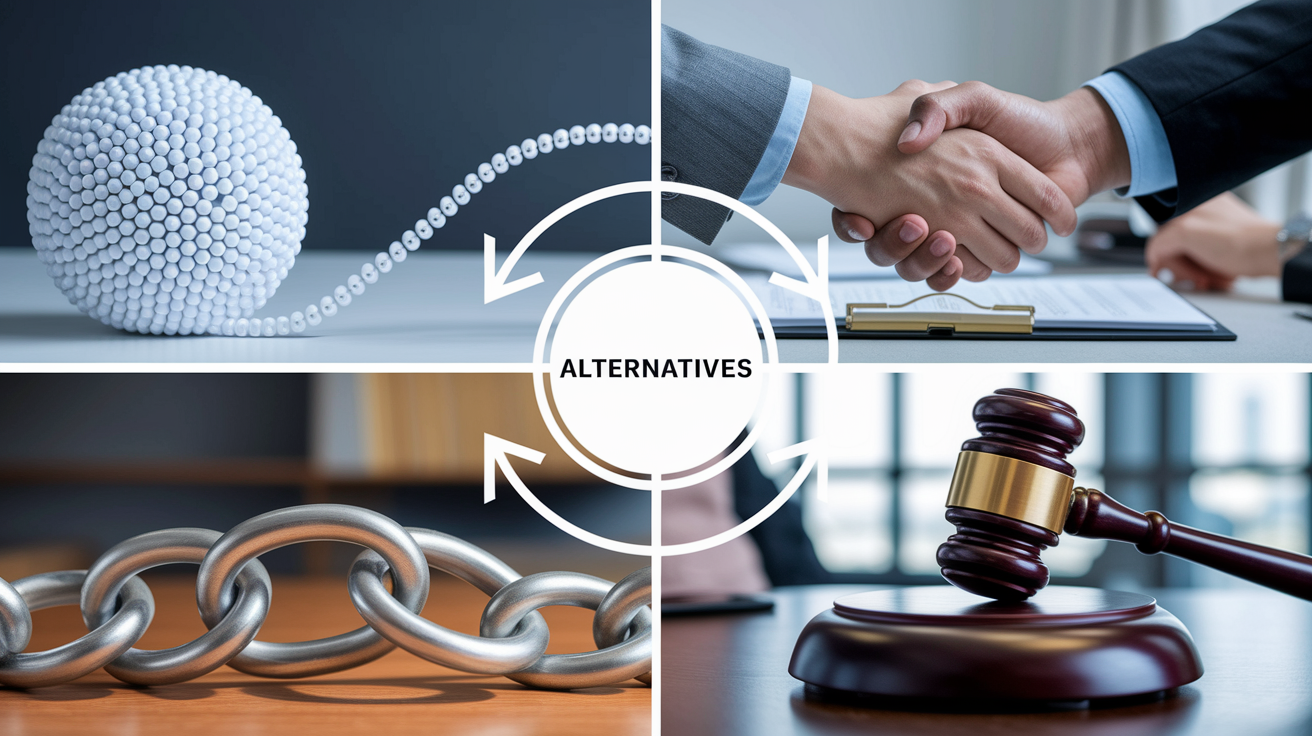
You don’t have to consolidate to reduce debt and protect your credit. DIY payoff methods like the debt snowball (paying smallest balances first) or debt avalanche (paying highest-interest balances first) let you tackle debt without opening new credit. These methods avoid hard inquiries and new accounts, so your score isn’t affected by application activity. As you pay down balances, your utilization improves and your score often rises. The downside is that you keep paying the original interest rates, which can slow your progress if rates are high.
Debt management plans, offered by nonprofit credit counseling agencies, can negotiate lower interest rates and consolidate payments without a new loan. You make one monthly payment to the counseling agency, and they distribute it to your creditors. Some plans require you to close credit card accounts, which can hurt your score temporarily by reducing available credit. Your credit report may show that accounts are being managed through a credit counseling plan, which some lenders view negatively. If you complete the plan and pay off the debt, your score should recover and improve over time.
Debt settlement involves negotiating with creditors to accept less than the full balance owed. Settlement usually requires you to stop making payments, which leads to late payments and collections on your credit report. Settled accounts are marked as “settled for less than owed” and can stick around on your report for up to 7 years. The credit damage from settlement is often worse than from consolidation, and the forgiven debt may be taxable income. Bankruptcy is the most serious option. Chapter 7 bankruptcy stays on your credit report for 10 years, and Chapter 13 stays for 7 years. Bankruptcy causes deep, long-lasting credit score damage, but it can offer a fresh start if debt is unmanageable and other options have failed.
| Alternative | Credit Effect | Duration of Impact | Best For |
|---|---|---|---|
| DIY payoff (snowball/avalanche) | No new credit, improves as balances fall | Ongoing improvement as debt decreases | People who can afford current payments and want to avoid new credit |
| Debt management plan | May require account closures, temporary dip, recovery if paid | Recovery within months to 1 to 2 years after completion | People who need lower rates and structure without a new loan |
| Debt settlement | Late payments, collections, settled-account notations | Up to 7 years on credit report | Last resort before bankruptcy, serious credit damage |
| Bankruptcy | Severe score drop, public record | 7 to 10 years on credit report | Unmanageable debt with no other viable option |
Key Indicators You Are Ready to Consolidate Without Hurting Your Credit

You’re ready to consolidate when you can qualify for a lower interest rate, afford the new monthly payment, and commit to not adding new debt. Lenders usually check your debt-to-income ratio, credit score, income stability, and payment history before approving a consolidation loan or balance transfer card. If your credit score is in the mid-600s or higher and your debt-to-income ratio is below 40%, you’re more likely to qualify for good terms. A lower interest rate on the consolidation product means you’ll save money and pay off debt faster, which improves your credit over time by reducing balances and supporting on-time payments.
Consolidation can improve your future loan approval odds if it lowers your revolving utilization and builds a strong payment history on the new loan. Lenders view low utilization and consistent on-time payments as signs of responsible credit use. If you’re planning to apply for a mortgage or auto loan in the next 6 to 12 months, consolidating high-interest credit card debt and paying it down can raise your score and improve your approval odds. The key is timing the consolidation so the initial hard inquiry and any temporary score dip have time to recover before you apply for new credit.
Before consolidating, check these readiness indicators:
- You have multiple high-interest debts that would cost less under a single lower-rate loan or 0% balance transfer.
- Your credit score and income qualify you for a consolidation product with better terms than your current debts.
- You can afford the new monthly payment comfortably within your budget, with room for unexpected expenses.
- You’re willing to leave paid-off credit cards open and avoid using them for new purchases while you pay down the consolidation loan.
- You have a plan to pay off a balance transfer within the 0% promo period (usually 12 to 18 months, sometimes up to 21 months).
- You’ve reviewed prequalification offers to confirm rates and terms before submitting a full application that triggers a hard inquiry.
Final Words
Short answer: consolidation can cause a small, temporary dip from hard inquiries and opening a new loan, but it often helps over 6-12 months if you pay on time and lower credit card balances.
Hard inquiries stay on reports for 24 months but matter most in the first 12 months. Payment history and lower utilization drive recovery. Many people see noticeable improvement within 6-12 months.
If you’re asking does debt consolidation hurt your credit score, the short-term hit is usually small and manageable, and steady payments can lead to a better score.
FAQ
Q: What are the negative effects of debt consolidation?
A: Negative effects of debt consolidation include a small short-term credit score dip from hard inquiries and new accounts, transfer fees or higher interest, and higher utilization if accounts are closed, so prequalify and keep cards open.
Q: How to pay off $30,000 in debt in 1 year?
A: To pay off $30,000 in debt in one year, aim to pay about $2,500 monthly, cut discretionary spending, boost income, and target high-interest balances first or consolidate to lower your rate.
Q: What is the biggest killer of credit scores?
A: The biggest killer of credit scores is missed payments, because payment history is the largest factor; set up autopay, contact lenders if you struggle, and prioritize on-time payments to stop score damage.
Q: Is $20,000 in credit card debt a lot?
A: Twenty thousand dollars in credit card debt is a lot for many people, but impact depends on income and credit limits; check your utilization, plan monthly payments, and consider consolidation if interest is high.