


Think no credit history means you’re stuck? Not true.
If no lender has reported your activity, you’re “credit invisible”, and that can be fixed with a few simple moves you can start today.
This post shows the quickest, lowest-cost ways to create your first tradeline (a recorded account) so scoring models can calculate a number.
I’ll explain three practical options, like a secured credit card, a credit-builder loan, or becoming an authorized user, when to pick each, and the exact first steps to take this week so you start building a score in about six months.
Establishing Your First Credit Profile When You Have No History

When lenders and credit bureaus say you have no credit history, they mean you’re “credit invisible.” You don’t have a score of zero. You simply have no score at all because no financial institution has reported your borrowing or repayment activity to Experian, Equifax, or TransUnion. Being invisible is different from having a low score. Someone with a 580 score has accounts and activity that scoring models can evaluate. You have nothing on file yet.
Generating your first credit score requires at least one account that reports your payment activity to the credit bureaus for a minimum of six months. Payment history accounts for roughly 35 percent of a FICO score, so consistent, on-time reporting is the foundation. Rent, utilities, and phone bills don’t appear on credit reports automatically, but you can add them through specialized reporting services or rent-reporting platforms. The key is making sure whatever account you open actually sends data to Experian, Equifax, and TransUnion every month.
Building credit from zero follows a clear sequence. You’ll open one or more starter accounts, make regular payments, let those payments get reported, and wait for enough activity to accumulate so that scoring models can calculate a number. The specific methods vary in cost, speed, and eligibility, but the underlying principle stays the same.
Here’s the high-level sequence most beginners follow:
- Open a secured credit card or credit-builder loan that reports to all three bureaus
- Set up automatic payments to avoid late marks
- Keep balances and utilization low if using a credit card
- Add rent or utility payments through a reporting service to accelerate tradeline diversity
- Consider becoming an authorized user on a trusted person’s account for immediate history
- Monitor your credit file after three to six months to confirm reporting and track score generation
Most people generate their first visible credit score after roughly six months of consistent account activity and monthly bureau reporting. That timeline assumes on-time payments and verified reporting from day one.
Using a Secured Credit Card to Build First-Time Credit
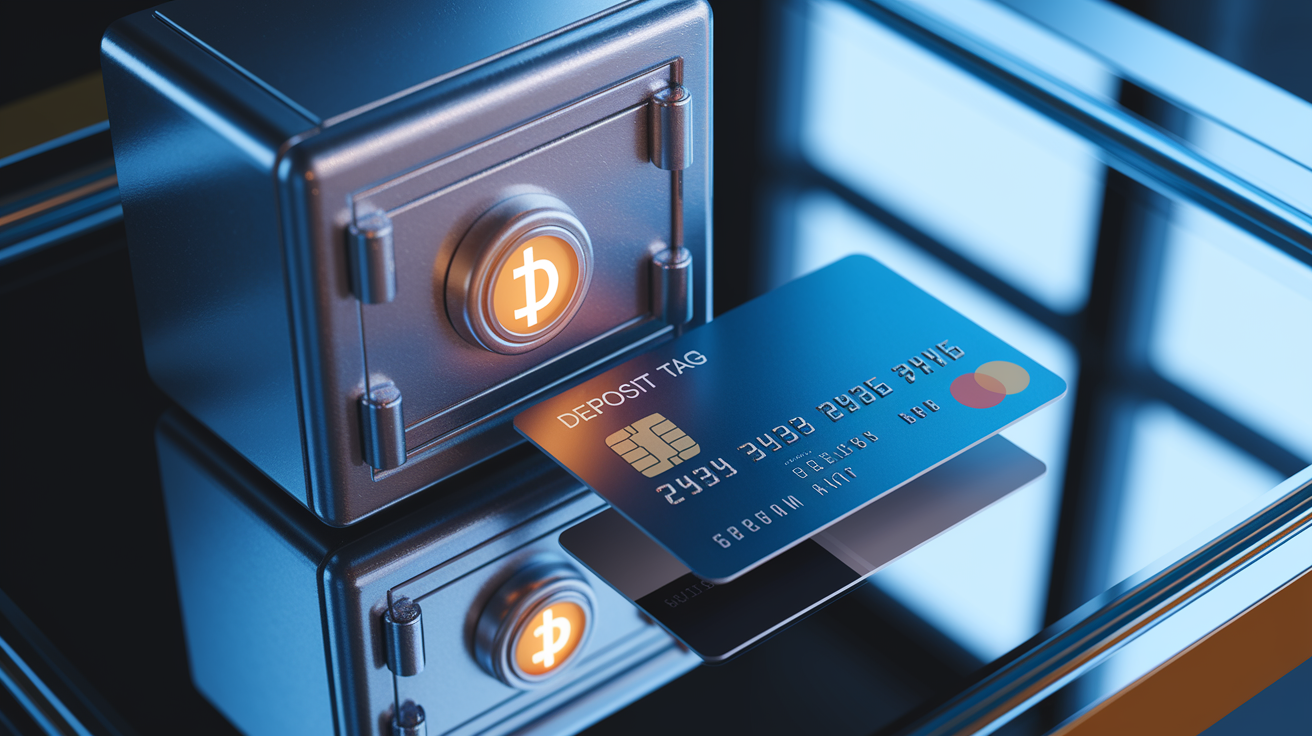
A secured credit card requires you to deposit cash up front, and the card issuer typically sets your credit limit equal to that deposit amount. Common deposit requirements range from forty-nine dollars to two hundred dollars, with many beginner-tier cards asking for exactly two hundred. A few promotional tiers allow deposits as low as forty-nine or ninety-nine dollars depending on approval. Your deposit sits in a bank account and is refunded when you close the card in good standing or when the issuer upgrades you to an unsecured product.
The card functions like any other credit card. You make purchases, receive a monthly statement, and pay at least the minimum by the due date. The issuer reports your payment activity to the credit bureaus each month, and that reporting creates the payment history you need to generate a score. For a secured card to help you build credit, it must report to all three major bureaus. Some cards only report to one or two, and that limits your score-building potential. Always confirm bureau reporting before you apply.
Utilization matters more than most beginners expect. Keep your statement balance below thirty percent of your limit, and ideally below ten percent for the fastest score growth. For example, on a two-hundred-dollar limit, try to keep your reported balance under twenty dollars. Paying your full statement balance every month avoids interest charges and keeps utilization in check. If you miss a payment, the issuer can report a late mark, and a single thirty-day late can significantly damage a new score.
| Deposit Range | Typical Credit Limit | Reports to All Three Bureaus |
|---|---|---|
| $49–$99 | $49–$99 | Verify with issuer |
| $200 | $200 | Most major issuers: Yes |
| $300–$500 | $300–$500 | Most major issuers: Yes |
Don’t confuse a secured credit card with a prepaid debit card. Prepaid cards don’t report payment activity to credit bureaus and won’t help you build a credit file. Once you’ve used your secured card responsibly for several months, typically six to twelve, and you have at least a fair credit score, many issuers will graduate you to an unsecured card and refund your deposit. Graduation depends on your payment history, utilization trends, and the issuer’s internal criteria, so there’s no guaranteed timeline.
How a Credit-Builder Loan Establishes Your First Tradeline

A credit-builder loan is structured backward compared to a traditional loan. The lender approves you for a small principal, commonly between three hundred and three thousand dollars, with many beginner plans in the three-hundred to one-thousand-seven-hundred range, and places that money into a locked savings account. You don’t receive the funds up front. Instead, you make monthly payments over a fixed term, often twelve to twenty-four months, and the lender reports each payment to the credit bureaus. At the end of the loan term, the lender releases the accumulated funds to you, minus any interest or fees.
Lenders offering credit-builder loans usually approve applicants based on income or banking history rather than credit history, which makes these loans accessible when you have no credit file. Fees vary widely. Some lenders charge a monthly service fee between five and thirty-five dollars, while others use a one-time origination fee ranging from one to eight percent of the loan amount. The total cost can add up, so compare fee structures before you apply. The key benefit is that on-time payments build a positive payment history, and installment loans help diversify your credit mix early. Credit mix accounts for roughly ten percent of a FICO score.
Missing a payment on a credit-builder loan can still hurt your credit score, even though you haven’t received any money yet. The loan appears on your credit report as an active installment account, and late payments get reported just like any other loan. To get the most benefit from a credit-builder loan, follow these steps:
- Confirm the lender reports your payments to all three credit bureaus before you sign
- Choose a loan amount and term that fit your monthly budget comfortably
- Set up automatic payments from your checking account to eliminate late-payment risk
- Verify that payments appear on your credit reports within sixty to ninety days of your first payment
- Keep the account open for the full term to maximize the positive impact on your average account age
Because a credit-builder loan is an installment product, it complements revolving accounts like secured credit cards. Opening both types early gives you a more balanced credit profile and can accelerate score growth compared to relying on a single account type.
Becoming an Authorized User to Jump-Start Your Credit File

When someone adds you as an authorized user to their credit card account, that account, and its entire payment history, may appear on your credit report. You receive a card linked to the primary cardholder’s account, but you aren’t legally responsible for any debt. The account’s age, payment history, and utilization can all contribute to your credit profile, depending on whether the card issuer reports authorized-user data to the credit bureaus. Not all issuers do, so verify reporting behavior before relying on this strategy.
Some card issuers require the primary cardholder’s account to be at least six to twelve months old before they allow authorized users, and many issuers require the primary account to be in good standing with no recent late payments. The authorized-user strategy works best when the primary cardholder has a long account history, low utilization, and perfect on-time payment habits. If the primary cardholder misses a payment or carries high balances, those negatives can transfer to your report and damage your score before you’ve even had a chance to build positive history on your own. The primary cardholder can remove you from the account at any time, and removal will erase the account from your credit file, which can cause your score to drop or disappear if it was your only tradeline.
Choose a primary cardholder you trust completely. Ask them to confirm their utilization stays below thirty percent and that they’ve never missed a payment. The account should be several years old and have a credit limit of at least a few thousand dollars. Becoming an authorized user is often the fastest way to add a tradeline to your credit report without submitting a credit application yourself, but it carries risks if the primary cardholder’s habits change or if the relationship ends.
Adding Rent, Utilities, and Phone Payments to Your Credit History
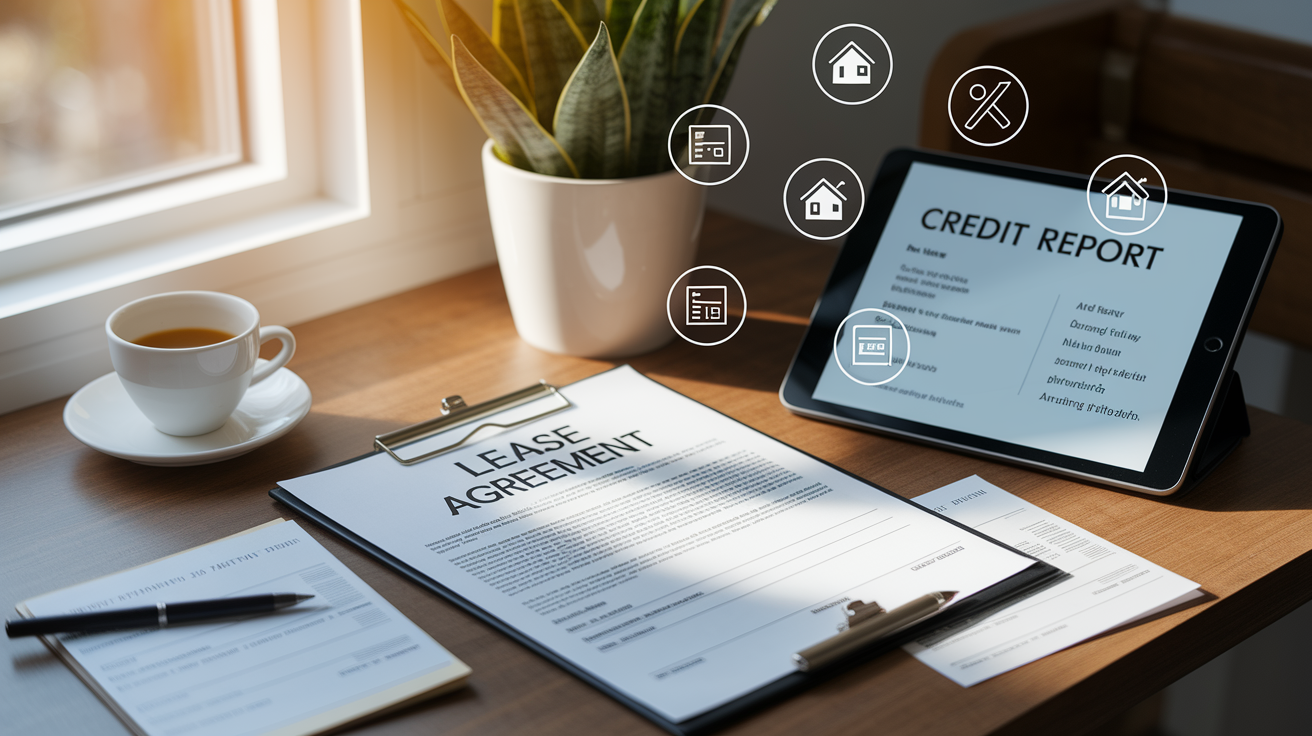
Rent, utilities, and phone bills are recurring payments you already make, but they don’t usually appear on credit reports. Landlords and service providers typically don’t report payment activity to Experian, Equifax, or TransUnion unless you request it or use a third-party reporting service. Rent-reporting services cost between five and twenty-five dollars per month and work by collecting your payment data, either directly from your landlord or by linking to your bank account, and then submitting that data to one or more credit bureaus.
Some landlords and property management companies offer free rent reporting through integrated platforms or the national RentBureau database, so ask your landlord first before paying for a service. A bill-reporting boost service can add multiple payment types beyond rent, including utilities, phone bills, and even streaming subscriptions, to your credit file. These services often require you to meet minimum eligibility criteria. For example, at least one account on your credit report that’s been open for at least six months and at least one account active in the last six months. If you meet those thresholds, a boost service can add positive payment history immediately.
The impact of adding rent and utility payments varies by scoring model. Some versions of FICO and VantageScore incorporate alternative tradelines like rent, while others don’t. Adding these payments helps most when combined with traditional credit accounts like secured cards or credit-builder loans, because you create a fuller picture of consistent, on-time payment behavior.
Here’s how to set up rent and utility reporting step by step:
- Contact your landlord or property manager to ask if they report rent payments to any credit bureau or offer a free reporting option.
- If not, research third-party rent-reporting services and compare which bureaus they report to and the monthly cost.
- Sign up for the service and link your bank account or provide lease documentation so the service can verify your payment history.
- Enroll in a bill-reporting boost service (many are free) and connect accounts for utilities, phone, and other eligible recurring bills.
- Wait sixty to ninety days, then pull your credit reports from all three bureaus to confirm the new tradelines appear and that payments are being reported accurately.
Rent and utility reporting alone won’t generate a credit score if you have no other accounts, but it accelerates score development once you open at least one traditional credit product.
Starter Credit Options Beyond the Basics (Store Cards, Student Accounts, Co-Signers)
Store credit cards, cards that work only at a specific retailer or chain, are generally easier to qualify for than general-purpose credit cards because the issuer limits your spending to that brand’s products. Approval criteria are often more lenient for applicants with no credit history, and these cards can provide a first tradeline when secured cards or credit-builder loans are out of reach. The trade-off is that store cards typically carry higher interest rates than traditional credit cards, sometimes above twenty-five percent APR. Pay your full statement balance each month to avoid finance charges. Treat the card like a small budgeting tool. Buy something you already planned to purchase, then pay it off immediately.
Student credit cards are designed for college students with limited or no credit history. Many require proof of enrollment and some form of income, whether from a part-time job, allowance, or other source. Limits tend to be low, often between three hundred and one thousand dollars, and issuers may offer basic rewards or educational tools. Beginner unsecured cards exist outside the student category as well, but approval without any credit file is rare. If you’re denied for an unsecured card, a secured card is almost always the better fallback than waiting and reapplying, because each application creates a hard inquiry that can shave a few points off your score and remains on your report for two years.
A co-signer is someone who agrees to share legal responsibility for a credit account with you. If you’re approved for a loan or credit card with a co-signer, both of you are equally liable for the debt, and the account appears on both credit reports. On-time payments help both parties, but missed payments harm both scores. Co-signing introduces significant risk for the co-signer, so this option requires a high level of trust and clear communication about spending and payment responsibility.
Choosing a Safe Co-Signer
A co-signer should have a solid credit score, stable income, and a history of managing credit responsibly. They must be willing to monitor the account and step in with payment if you run into trouble, because a single late payment damages both of your scores. Most issuers and lenders allow co-signers on personal loans and some credit cards, though availability varies. Before asking someone to co-sign, create a written plan that includes your monthly budget, the account’s limit or loan amount, and a backup payment source if your income changes. Co-signing works best when both parties understand that the relationship could be strained if payments are missed or if the account is mismanaged.
When comparing starter cards or loans that require a co-signer, review the fee schedule carefully. Look for annual fees, late-payment fees, foreign-transaction fees, and cash-advance fees. Some beginner products charge high fees because they assume higher risk. Compare the APR as well, even if you plan to pay in full each month, because unexpected expenses can force you to carry a balance. Confirm the issuer reports to all three bureaus. A co-signed account that only reports to one bureau provides less score-building value than one that reports to all three.
Understanding How Credit Scores Work When Starting From Zero
Credit scores from FICO and VantageScore range from three hundred to eight hundred fifty. Scores below five hundred eighty are typically labeled “Poor,” scores from five hundred eighty to six hundred sixty-nine fall into “Fair,” six hundred seventy to seven hundred thirty-nine is “Good,” seven hundred forty to seven hundred ninety-nine is “Very Good,” and eight hundred and above is “Excellent.” When you have no credit history, you have no score, not a score of zero. Scoring models need at least one account with several months of reported activity before they can calculate a number.
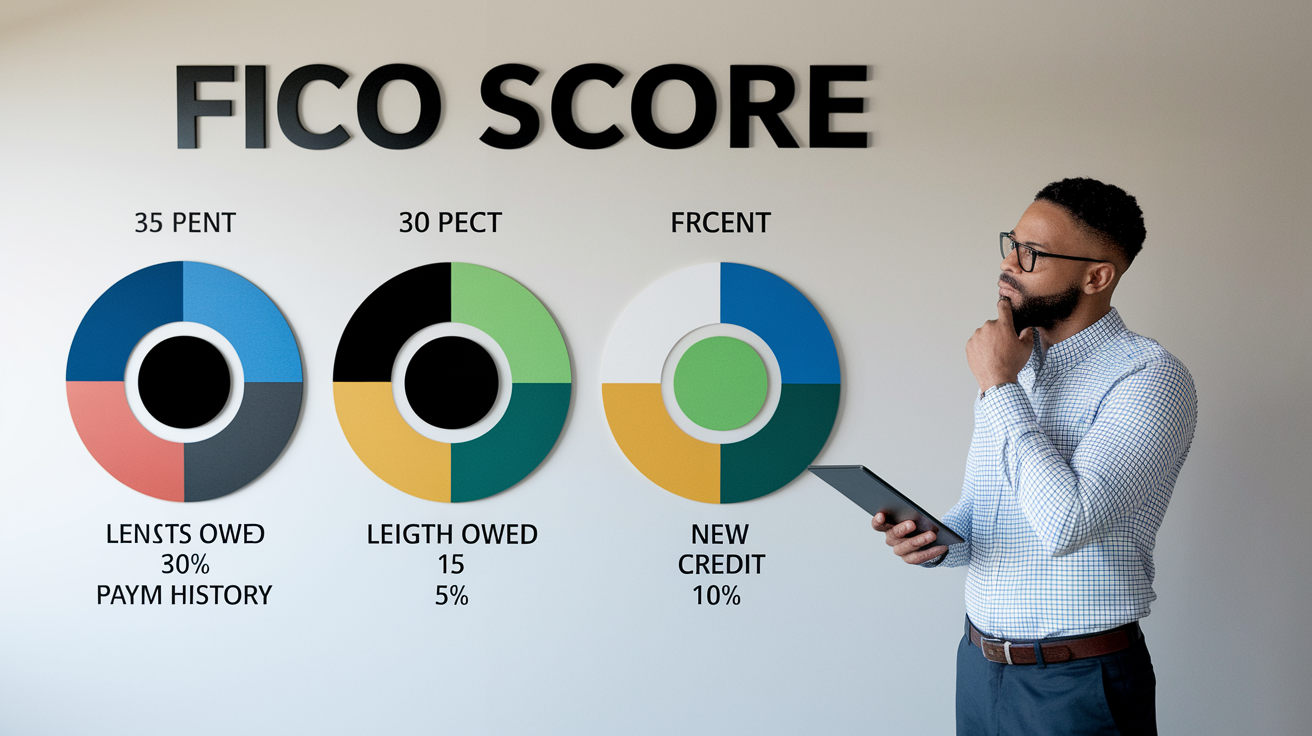
FICO scoring models weight five main factors. Payment history carries the most influence at roughly thirty-five percent. Every on-time payment helps, and every late payment hurts. Amounts owed, which includes your credit utilization on revolving accounts, makes up about thirty percent. Length of credit history accounts for fifteen percent, so older accounts help your score more than brand-new ones. New credit, including recent hard inquiries and newly opened accounts, represents ten percent. Credit mix, the variety of account types you manage, rounds out the final ten percent. Different lenders use different scoring models and different versions of FICO or VantageScore, so your score can vary slightly depending on which model is pulled.
Hard inquiries occur when you apply for credit and a lender requests your credit report. Each hard inquiry typically reduces your score by a few points, and the impact fades within a few months, though the inquiry remains visible on your report for two years. Multiple inquiries in a short period for the same type of credit, like shopping for an auto loan, are often treated as a single inquiry to avoid penalizing rate shopping. When you’re just starting out, avoid applying for multiple credit products at once, because several hard pulls combined with very short account age can signal higher risk to future lenders.
Key differences and factor weights to remember:
- Payment history is the single largest factor in both FICO and VantageScore models.
- Utilization affects your score every month, so even one high-balance month can cause a temporary drop.
- Account age builds slowly, which is why keeping your first accounts open for years benefits long-term score growth.
- Hard inquiries have a small, short-lived impact, but too many in a short window can delay approvals.
Timelines: How Long It Takes to Build Credit From Scratch
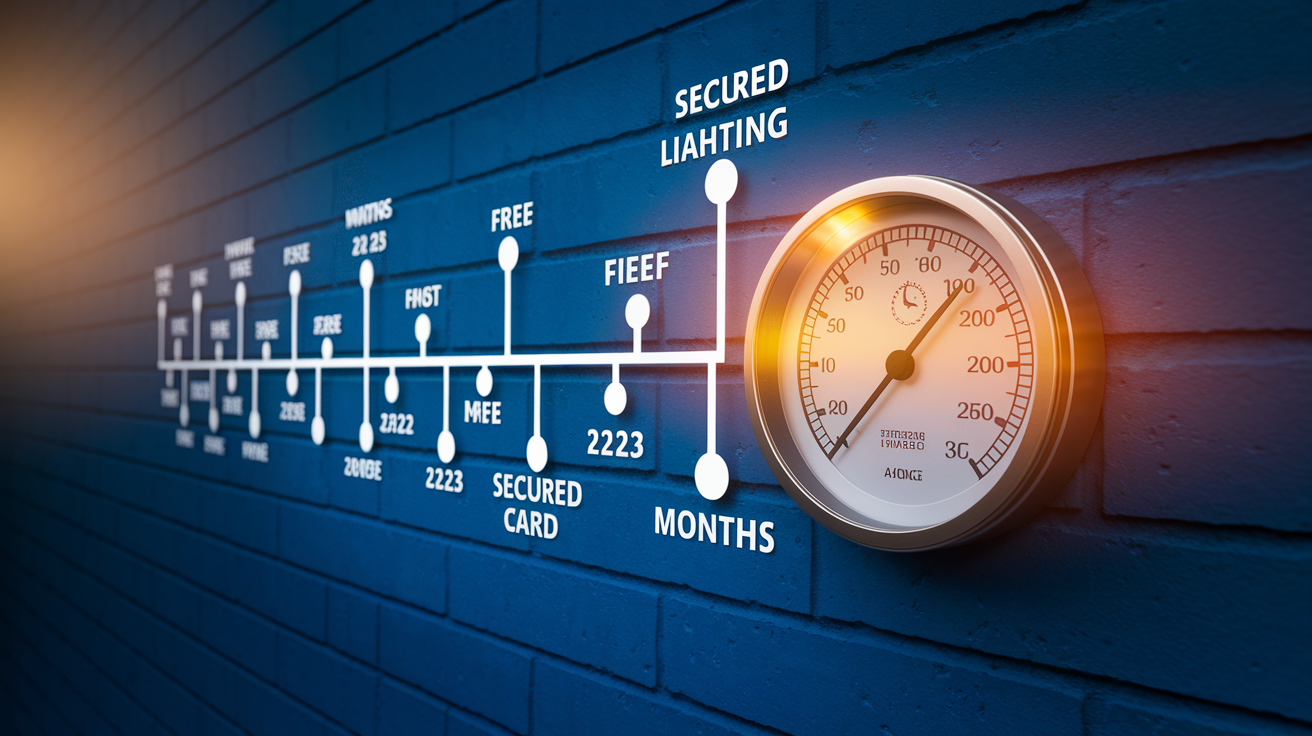
A visible credit score can appear after roughly six months of reported payment history. That timeline assumes you’ve opened at least one account that reports to the credit bureaus every month and that you’ve made consistent on-time payments. Some scoring models generate a score sooner if you add multiple tradelines quickly, for example, opening a secured card and becoming an authorized user in the same month, but six months is the standard minimum.
Reaching the “Good” credit range, which starts at six hundred seventy, often takes twelve to twenty-four months of positive activity. The exact timeline depends on how many accounts you open, your utilization levels, whether you miss any payments, and how often new accounts or hard inquiries appear on your report. A single late payment in the first year can set you back several months, while keeping utilization under ten percent and diversifying your account types can accelerate progress.
Here’s what to expect at each stage:
- 0 to 30 days: Open your first account, a secured credit card, credit-builder loan, or authorized-user arrangement. Set up automatic payments. Confirm the account reports to Experian, Equifax, and TransUnion.
- 1 to 6 months: Make every payment on time. Keep utilization below thirty percent (closer to ten percent is better). Monitor your credit reports to verify activity is being reported. Your score won’t appear yet, but the foundation is being built.
- 6 to 12 months: Your first credit score should generate. Expect a score in the mid-six hundreds if you’ve maintained perfect payment history and low utilization. Consider adding a second tradeline, a small credit-builder loan or a second secured card, to diversify your mix.
- 12 to 24 months: With continued on-time payments and controlled utilization, your score can reach the “Good” range (six hundred seventy or higher). Some secured cards will offer graduation to unsecured status. You may qualify for starter rewards cards or small personal loans.
Hard inquiries lose most of their scoring impact within a few months, though they remain on your report for two years. Secured credit cards can often graduate to unsecured accounts after six to twelve months of responsible use, and the issuer will refund your deposit at that time. Graduation timelines vary by issuer and depend on your payment history and overall credit profile.
Common Mistakes That Prevent Credit Growth

A single payment that’s thirty days late can drop a new credit score significantly, sometimes by fifty points or more, because payment history is the largest scoring factor and you have no cushion of positive history to absorb the damage. Late payments remain on your credit report for seven years, though their impact fades over time. When you’re building credit from zero, one late mark can delay your progress by months.
High credit utilization, keeping balances above thirty percent of your limit, slows score growth and can even cause your score to stall or decrease. Scoring models recalculate utilization every month based on your reported statement balance, so even if you pay in full after the statement closes, a high reported balance still hurts. Aim to keep your balance under ten percent of your limit for the fastest improvement. On a two-hundred-dollar limit, that means keeping your statement balance below twenty dollars.
Common mistakes that prevent or reverse credit progress:
- Applying for multiple credit products within a few weeks, creating several hard inquiries that stack up and signal risk to lenders.
- Using starter credit products, secured cards, credit-builder loans, or store cards, that don’t report to all three credit bureaus, which limits your score-building potential.
- Closing your first credit account as soon as you receive your deposit back or pay off a credit-builder loan, which shortens your average account age and can lower your score.
- Ignoring the fine print and signing up for high-fee starter products that charge excessive monthly fees, annual fees, or origination costs without providing competitive credit-building value.
- Assuming that making the minimum payment is enough. While it avoids a late mark, carrying a balance increases utilization and costs you interest every month.
Some starter credit products are predatory. Watch for secured cards that charge annual fees above fifty dollars, monthly maintenance fees, or processing fees just to apply. Compare at least three offers before committing, and always verify bureau reporting before you open the account.
Best Practices for Managing New Credit Accounts
Keeping your credit utilization below thirty percent of your available limit is the baseline for healthy score growth, but pushing utilization below ten percent delivers faster results. Utilization is recalculated every month based on the balance your issuer reports, which is usually your statement balance. If you charge one hundred dollars on a two-hundred-dollar limit and wait for the statement to close, your utilization for that month is fifty percent, even if you pay the full balance before the due date. To keep utilization low, make payments before your statement closes or keep your spending minimal.
Autopay eliminates the risk of forgetting a due date, which is critical when you’re building credit from scratch and have no margin for error. Set up automatic payments for at least the minimum amount due, and link autopay to a checking account that always has enough funds to cover the payment. If your income is irregular, consider setting autopay for a small fixed amount, like twenty-five or fifty dollars, and manually pay the rest of the balance before the due date. Autopay doesn’t prevent you from making additional payments throughout the month to manage utilization.
Maintaining your oldest accounts, even after you no longer use them regularly, helps preserve your average account age, which accounts for fifteen percent of your FICO score. When your secured card graduates to an unsecured card, the account usually remains open and the history transfers, so you don’t lose the benefit of the time you spent building that tradeline. As you add new accounts over the next few years, whether rewards cards, installment loans, or lines of credit, your credit mix improves and your score continues to grow. Diversifying account types over time shows lenders you can manage different kinds of credit responsibly, but there’s no need to rush. Focus on managing your first one or two accounts well before adding more.
Final Words
Get moving: choose one starter path, like a secured card, a credit-builder loan, or becoming an authorized user, and set up autopay. That creates a tradeline and starts the clock toward a score in about six months.
Keep utilization low, avoid extra hard pulls, and consider reporting rent or utilities. These habits help you grow a score steadily over 12 to 24 months.
If you do one thing this week, open a secured card or start a credit-builder loan. This is how to build credit with no credit history: small, consistent moves add up.
FAQ
Q: How can I build my credit score with no credit history?
A: Building your credit score with no credit history starts by creating on-time, reported activity: get a secured card or credit-builder loan, become an authorized user, or add rent reporting; expect about 6 months.
Q: What is the biggest killer of credit scores?
A: The biggest killer of credit scores is a late payment, since a single 30-day late can drop your score significantly; set up autopay and pay balances on time to avoid this.
Q: Can I get a credit card with no credit history?
A: You can get a credit card with no credit history by choosing a secured card (deposit often $49-$200) or a starter student/store card; avoid prepaid cards because they don’t build credit.
Q: How do I establish credit for the first time?
A: You establish credit for the first time by opening a reported account, like a secured card, credit-builder loan, or becoming an authorized user, then making all payments on time and keeping utilization low.