


Think debt consolidation is always the smart move? Not always.
Combining accounts can simplify bills, but in some cases it raises your total cost, puts your home or retirement at risk, or just delays the problem.
If you can realistically pay balances off in six to twelve months, or if the new loan uses your house, car, or 401(k) as collateral, consolidation is probably a bad choice.
This post walks through seven red-flag scenarios so you can pick the safer next step.
Key Situations When Debt Consolidation Is Not Advisable
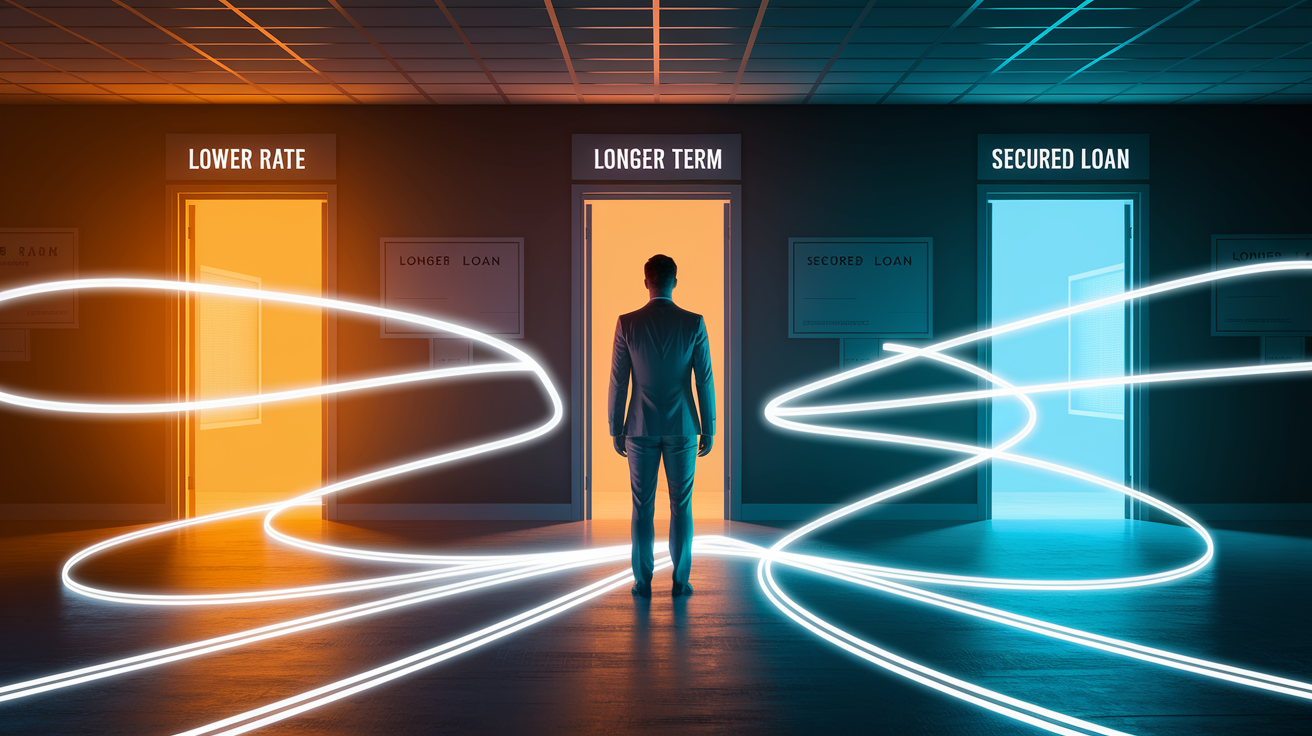
Debt consolidation sounds practical. Combine several monthly payments into one, maybe at a lower rate. But it can trap you in longer repayment terms, erase interest savings with fees, or put your home and retirement at risk if you default. The main red flags? Small interest rate improvements, extended loan terms that jack up total cost, behavioral issues like continued overspending, and using secured assets to pay off unsecured credit cards.
The typical borrower who should avoid consolidation can realistically pay off their debt in six to twelve months without consolidating. Or someone whose debt load exceeds about half of their annual income and would be better served by debt relief or settlement. If the root cause is unchecked spending and a shaky budget, consolidation won’t fix that. It can actually make it worse by freeing up credit limits that get charged up again.
Here are the core warning signs that consolidation is probably not a good idea:
You can pay off your balances within six to twelve months with a focused plan. Your total debt exceeds 50 percent of your annual gross income. You haven’t changed the spending habits that created the debt in the first place. The interest rate reduction is small, less than a few percentage points, or offset by origination fees. The consolidation option requires securing the loan with your home, car, or retirement account. You’re being offered high interest terms above 36 percent APR or variable rates that could spike.
Debt Consolidation Risks That Increase Long-Term Costs

A modest drop in APR paired with a longer repayment term often means you’ll pay more interest over the life of the loan. Monthly payment goes down, sure. But here’s what happens: if you’re carrying $9,000 at a combined 25 percent APR with $500 monthly payments, you’d pay about $2,500 in interest over roughly two years. Drop that APR to 17 percent but stretch repayment to four years, and you may end up paying nearly the same total interest despite the lower rate. Why? The balance accrues interest for twice as long.
Fees compound the problem. Balance transfer fees, typically 3 to 5 percent of the transferred amount, and loan origination fees, 1 to 8 percent of the loan, can erase hundreds of dollars in projected savings. If you’re transferring $9,000 with a 4 percent fee, that’s $360 added to your balance on day one. APRs above 36 percent are especially dangerous and should be avoided entirely. They signal predatory lending practices and make repayment nearly impossible without continually refinancing or defaulting.
Common pitfalls that increase long term cost:
Extending repayment from 2 years to 5 years without a significant APR reduction. Accepting high origination or transfer fees that offset interest savings. Signing up for variable rate consolidation loans that can rise unexpectedly. Missing the fine print that charges retroactive interest if promotional terms aren’t met.
| Debt Scenario | APR / Fees | Total Cost Impact |
|---|---|---|
| $9,000 at 25% APR, 2 years | 25% APR, no fees | ~$2,500 interest |
| $9,000 at 17% APR, 4 years | 17% APR, $360 origination fee | ~$2,800 total cost |
| $9,000 at 0% for 21 months, then 24% APR | 4% transfer fee ($360), 24% after promo | $360 if paid in full; $2,000+ if balance remains |
When Using Secured Debt Makes Consolidation Too Risky
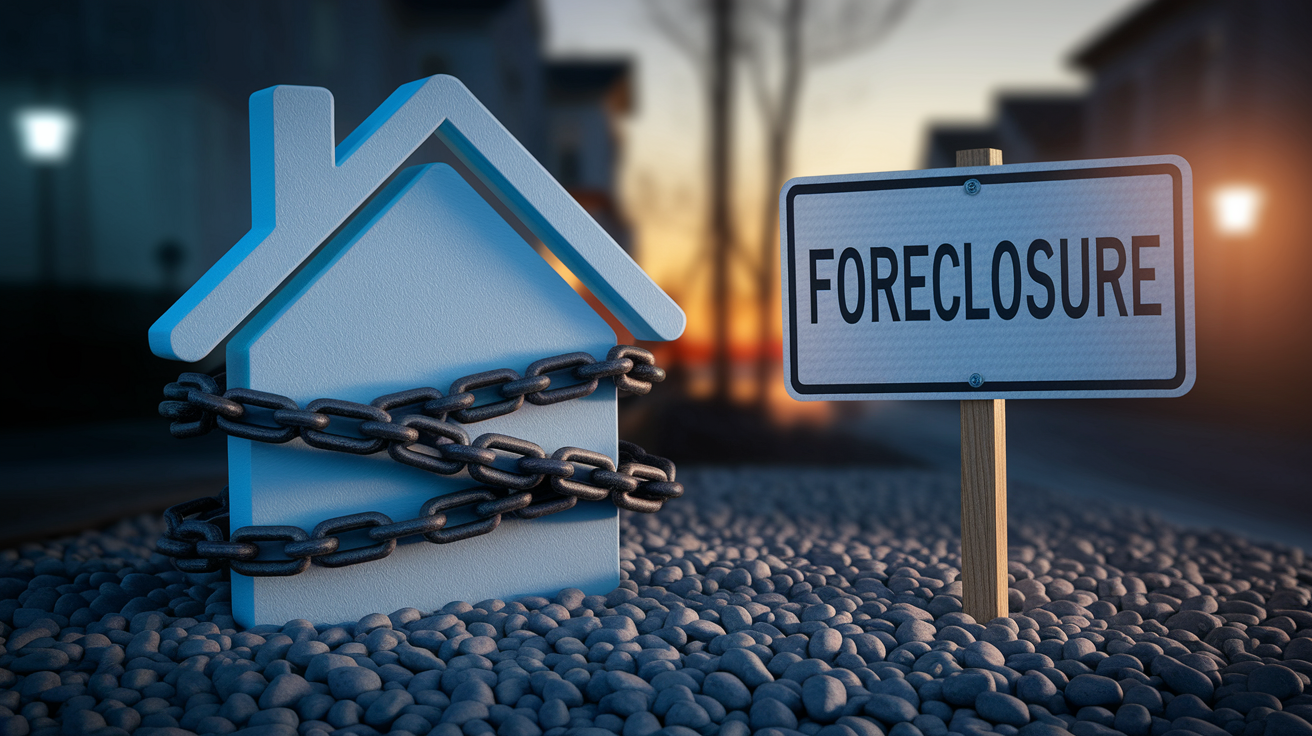
Consolidating unsecured credit card debt into a secured loan, like a home equity loan, home equity line of credit, or a 401(k) loan, converts debt that can’t cost you your house or retirement into debt that absolutely can. If you miss payments on a home equity consolidation loan, the lender can foreclose on your home. If you default on a 401(k) loan, the outstanding balance is treated as an early distribution. That triggers immediate taxes and penalties that can reach 30 to 40 percent of the unpaid amount. Plus you’ve permanently lost that retirement savings and years of compounding growth.
The lower interest rate on a secured loan is appealing, but it’s a trap if your income is unstable or your budget is already stretched. Credit card debt, while high interest, doesn’t put a roof over your head at risk. Secured consolidation effectively transforms dischargeable unsecured debt into debt backed by assets you can’t afford to lose.
Typical assets that can be seized or lost through secured consolidation:
Your home through foreclosure if you use a home equity loan or HELOC. Your car through repossession if you use a title loan or vehicle secured loan. Your retirement savings and tax penalties if you borrow from a 401(k) and can’t repay it.
Poor Credit and Qualification Barriers That Make Consolidation a Bad Idea
Most low rate consolidation options, especially 0 percent balance transfer credit cards, require good to excellent credit. Typically a FICO score in the mid 600s or higher. If your score is below that threshold, you’re more likely to be offered consolidation loans with APRs in the high teens or twenties, which may be barely lower than your current credit card rates. In that case, consolidation offers no meaningful savings and just resets the clock on your debt.
Applying for consolidation triggers a hard inquiry on your credit report, which can temporarily drop your score by a few points. If you’re shopping around and applying to multiple lenders, those inquiries add up. And if you’re approved but miss payments on the new loan or balance transfer card, you’ll lose any promotional rate, incur late fees, and damage your credit further. You end up worse off than before you consolidated.
Major credit related risks that undermine consolidation:
You don’t qualify for rates low enough to justify consolidation, leaving you with minimal or no savings. Hard inquiries from multiple applications reduce your score and your chances of approval elsewhere. Missing a single payment can trigger loss of 0 percent promotional terms and spike your APR to 24 percent or higher.
Situations Where Behavior and Spending Patterns Make Consolidation Ineffective

Consolidation can lower your monthly payment and simplify your bills. But it can’t stop you from spending more than you earn. If the reason you accumulated debt was overspending, lack of a budget, or using credit cards to cover regular expenses, consolidation won’t fix that. In fact, it can make the problem worse. Once your credit cards are paid off through consolidation, those cards show zero balances and available credit again. Without a behavior change, many borrowers immediately start charging those cards back up. You end up with both the new consolidation loan payment and fresh credit card debt.
This cycle is one of the most common reasons consolidation fails. You’ve moved the debt around, but you haven’t addressed the root cause. Within six months to a year, you’re deeper in debt than before, because now you’re servicing a consolidation loan and new balances on the cards you just cleared. A working budget, spending tracking, and often a temporary freeze or reduction in available credit are all necessary before consolidation can succeed.
If you’ve never consistently tracked your spending, lived on a written monthly budget, or stuck to a debt payoff plan for more than a few months, consolidation is probably premature. The behavior has to change first, or the consolidation just buys you a few months before the debt spiral restarts.
Warning Signs Your Habits Aren’t Ready for Consolidation
You don’t have a written monthly budget or you’ve never tracked your spending for a full month. You regularly use credit cards to cover routine expenses like groceries or gas because cash runs out before payday. You’ve paid off credit cards in the past only to run them back up within a few months. You can’t explain where your money goes each month or you’re frequently surprised by your account balances.
Debt Types and Structures That Don’t Work Well With Consolidation

Not all debt can or should be consolidated. Tax debt, for example, generally can’t be rolled into a standard consolidation loan. The IRS and state tax agencies have their own payment plan programs and penalties that don’t mesh with private loans. Federal student loans come with unique protections. Income driven repayment plans, deferment, forbearance, and potential forgiveness programs that you lose if you refinance them into a private consolidation loan. Once you’ve converted federal loans to private, you can’t get those protections back.
Medical debt is often interest free or low interest and may be negotiable directly with the provider or eligible for charity care and payment plans. Consolidating it into a higher interest personal loan can cost you more and eliminate your ability to negotiate a settlement or reduction. Mixed debt types, combining credit cards, medical bills, personal loans, and retail accounts into one loan, can also complicate matters if some of those debts have different creditor rights, interest rates, or repayment terms that would be better managed separately.
Debt types that often don’t fit well with consolidation:
Tax debt. IRS and state agencies offer their own payment plans and penalties. Federal student loans. Consolidation removes income driven plans and forgiveness eligibility. Medical bills. Often negotiable or interest free, consolidation may add interest. Payday loans. Extremely high rates make consolidation difficult, settlement or state programs may be better. Debt already in collections or near statute of limitations expiration. Consolidation can restart the clock and waive defenses.
When Fees, Variable Rates, and Hidden Terms Make Consolidation Dangerous
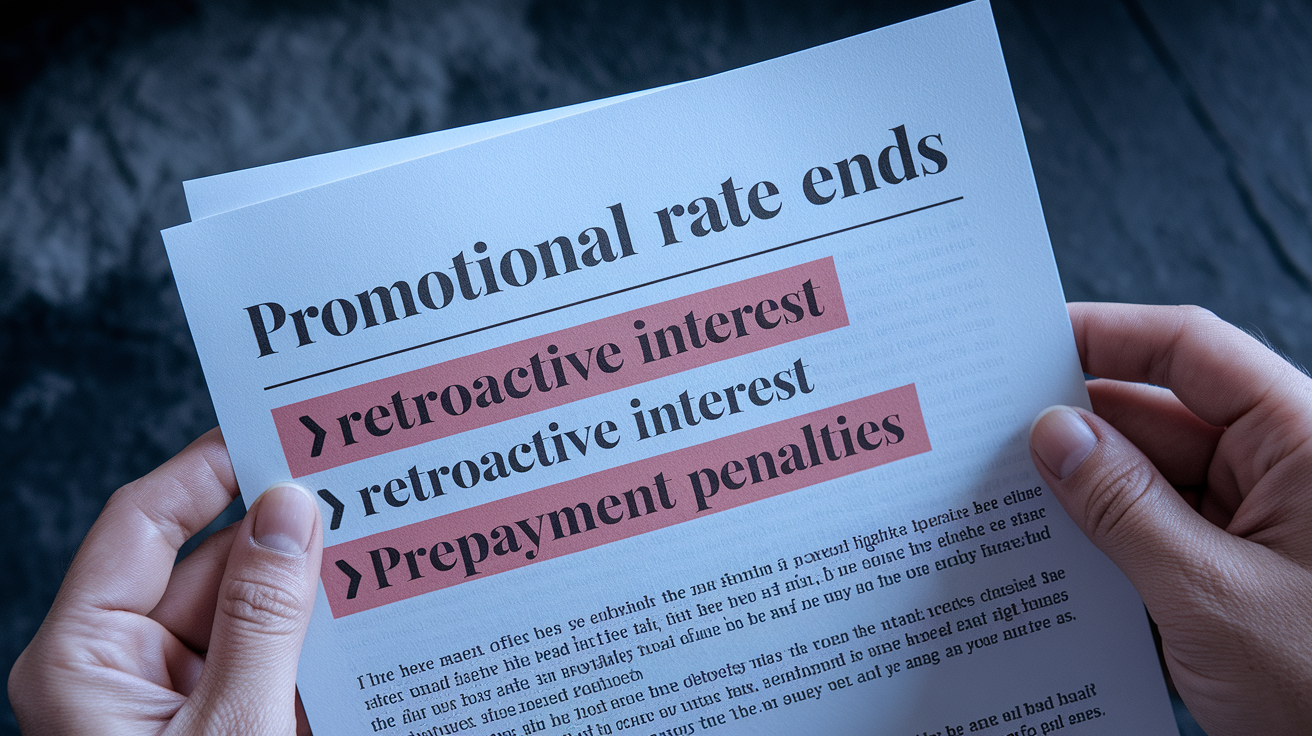
Balance transfer fees, origination fees, and annual fees can quickly erase any interest savings you expected from consolidation. A 4 percent transfer fee on $10,000 is $400 added to your balance immediately. If your projected interest savings over the life of the loan is only $500, you’ve just given up 80 percent of that benefit on day one. Variable rate consolidation loans introduce another layer of risk. Your APR can rise with the prime rate, turning what looked like a good deal into a worse rate than your original debt.
Promotional balance transfer cards often carry a dangerous clause. If you don’t pay off the full balance before the promotional period ends, retroactive interest may apply to the entire original balance at the card’s regular APR, often 20 to 25 percent. That can add thousands of dollars in interest that you thought you’d avoided. Prepayment penalties on some consolidation loans mean you can’t pay the loan off early without a fee, trapping you in the loan even if your financial situation improves.
High risk loan features to watch for:
Origination or balance transfer fees that consume most or all of your projected savings. Variable interest rates that can increase unexpectedly, raising your monthly payment. Retroactive interest clauses that apply back interest if you don’t pay off the balance during the promo period. Prepayment penalties that charge you a fee for paying off the loan early, locking you into a long repayment term.
Alternatives to Debt Consolidation When It Would Do More Harm Than Good

If your debt load is very high, more than 50 percent of your annual income, or if you’re facing serious financial crisis, alternatives like debt settlement, credit counseling, or even bankruptcy may be more appropriate than consolidation. Debt settlement involves negotiating with creditors to accept less than the full balance owed. It will damage your credit, but it can reduce your total debt significantly if you can’t afford to pay it all. Credit counseling agencies can set up debt management plans that negotiate lower interest rates and monthly payments directly with your creditors without requiring a new loan.
If your debt is manageable but consolidation doesn’t make sense because of fees or minimal rate improvement, consider a rapid payoff strategy instead. The debt snowball method, paying off the smallest balance first while making minimum payments on the rest, builds momentum and motivation. The debt avalanche method, targeting the highest interest debt first, saves the most money over time. Both approaches can outperform consolidation if you’re disciplined and can realistically pay off your debt within 12 to 18 months.
Bankruptcy is the last resort. But for someone overwhelmed by debt with no realistic path to repayment, Chapter 7 or Chapter 13 bankruptcy can provide a legal fresh start. It will severely impact your credit for seven to ten years, but it stops collections, wage garnishments, and lawsuits, and discharges most unsecured debt. If consolidation would just delay the inevitable or put assets at risk, bankruptcy may be the more responsible choice.
Proven Alternatives to Consider
Credit counseling and debt management plans: A nonprofit credit counselor reviews your finances and negotiates with creditors on your behalf to lower interest rates and set up a structured repayment plan, typically lasting three to five years. Your credit isn’t damaged as severely as with settlement, and you pay back the full amount owed.
Debt settlement: You or a settlement company negotiate with creditors to accept a lump sum that’s less than the full balance, often 40 to 60 percent of what you owe. This severely damages your credit and may have tax consequences (forgiven debt can be taxable income), but it reduces total debt when you can’t afford to pay it all.
Targeted rapid payoff strategies (snowball or avalanche): Focus all extra cash on one debt while making minimums on the others. Snowball targets the smallest balance first for psychological wins. Avalanche targets the highest interest rate first for maximum savings. Both avoid fees and keep you in control.
Bankruptcy (Chapter 7 or Chapter 13): Legal discharge of most unsecured debts (Chapter 7) or a court supervised repayment plan (Chapter 13). Severe credit impact, but stops collections and lawsuits immediately and provides a definitive fresh start when debt is unmanageable.
Step by Step Criteria to Decide If Consolidation Is the Wrong Move

Before you consolidate, run through a structured checklist to confirm whether consolidation will actually help or whether it’s going to cost you more in the long run. First, compare your current combined APR and total remaining interest to the proposed consolidation APR, fees, and total interest over the new loan term. Use a loan calculator to see the real numbers side by side. If the difference in total cost is less than a few hundred dollars, consolidation probably isn’t worth the risk and hassle.
Second, assess whether you can realistically pay off your debt in six to twelve months without consolidating. If the answer is yes, skip consolidation. Rapid payoff with discipline will cost you less and get you out of debt faster. Third, calculate your debt to income ratio. If your total debt is more than 50 percent of your annual gross income, consolidation may not be enough, and you should explore debt relief or settlement instead.
Six precise criteria to evaluate before consolidating:
APR and fee comparison. Is the new APR at least 5 percentage points lower, and do total fees stay under 2 percent of the loan amount?
Six to twelve month payoff test. Can you clear your current debt within a year with a focused repayment plan? If yes, consolidation is unnecessary.
Debt to income check. Does your total debt exceed 50 percent of your annual income? If yes, consider relief or settlement instead of consolidation.
Collateral risk assessment. Does the consolidation option require securing the loan with your home, car, or retirement account? If yes, avoid it unless repayment is certain.
Behavioral readiness. Have you been living on a working budget for at least three months and stopped accumulating new debt? If no, fix your habits first.
Total cost calculation. Run the full amortization. Does consolidation reduce your total interest paid by at least $500 after all fees? If not, it’s not worth the effort and risk.
Final Words
in the action, we walked through the main situations where consolidation backfires, like short payoff windows, tiny interest improvements erased by fees, using collateral, poor credit, and risky spending habits.
Use the quick decision checklist: run the 6–12 month payoff test, compare APRs and fees, check debt-to-income, and confirm you can stick to a budget. If you’re unsure, talk to a nonprofit credit counselor.
Ask yourself: when is debt consolidation not a good idea? If several red flags show up, pick an alternative plan. You can fix this with steady steps and a clear path forward.
FAQ
Q: Is there a downside to debt consolidation?
A: The downside to debt consolidation is it can raise total cost, add fees, risk collateral, or hide bad spending habits; check total interest and fix spending before you consolidate.
Q: How to pay off $30,000 in debt in 1 year?
A: To pay off $30,000 in debt in one year, you need about $2,500 monthly plus interest; cut expenses, boost income, use an aggressive payment plan, and automate extra payments.
Q: Why does Dave Ramsey not recommend debt consolidation?
A: Dave Ramsey doesn’t recommend debt consolidation because he prefers the debt snowball, worries extended terms keep people paying longer, and believes behavior change beats rate juggling; follow a simple snowball plan first.
Q: How much is the payment on a $50,000 consolidation loan?
A: The payment on a $50,000 consolidation loan depends on APR and term. For example: 6% over 5 years ≈ $970/month; 8% over 10 years ≈ $607/month. Use a loan calculator to compare.