


Paying off a collection won’t always raise your credit score, and that surprises a lot of people.
It all comes down to which scoring model a lender uses.
Newer scores (FICO 9, FICO 10 and 10T, VantageScore 3.0 and 4.0) ignore paid collections, so paying can boost your score there.
But older models, especially FICO 8, often still count paid collections as negative.
Thesis: paying may or may not improve your score depending on the model and the debt type, though it always cuts legal risk and can help over time.
How Paying Off Collections Impacts Your Credit Score (Direct Answer)
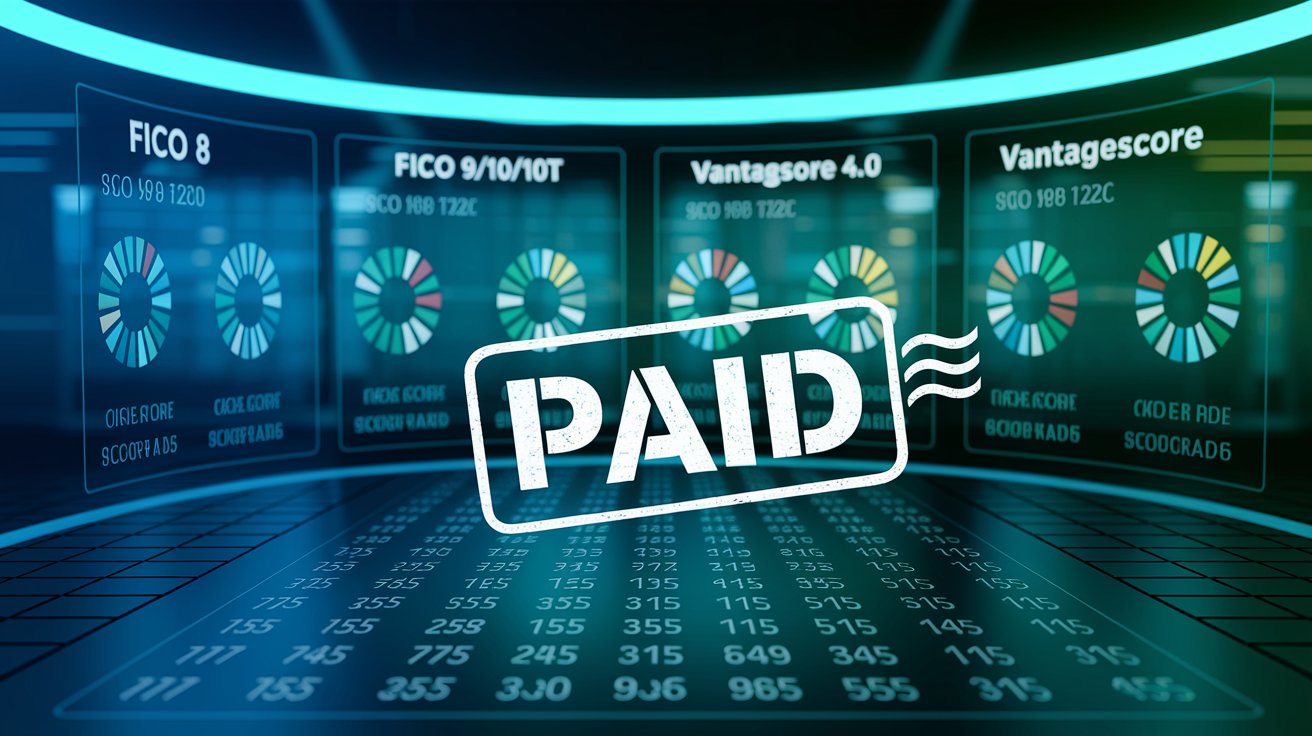
Whether paying off a collection improves your credit score depends entirely on which scoring model the lender uses. Newer models (FICO Score 9, FICO Score 10, FICO Score 10T, VantageScore 3.0, and VantageScore 4.0) ignore paid collections completely, so paying can produce an immediate score increase under those systems. Older models, especially FICO Score 8 (still widely used in lending decisions), continue to count paid collections as negative entries and typically show little or no score change after payment. Paid collections remain on your credit report for up to seven years from the date of your first missed payment, regardless of when you pay.
Credit bureaus already removed all paid medical collections and all unpaid medical collections with original balances under $500 from consumer credit reports. Because payment history accounts for about 35 percent of your score under FICO Score 10T and VantageScore 4.0, the presence or absence of a collection entry can shift your score significantly. But only if the scoring formula treats paid collections differently from unpaid ones.
You’re most likely to see a score increase after paying a collection if:
The lender or credit monitoring service uses FICO Score 9, FICO Score 10, FICO Score 10T, VantageScore 3.0, or VantageScore 4.0. The collection is medical debt (FICO 9 and later reduce its impact, VantageScore 3.0/4.0 ignore all medical collections). The original debt was under the nuisance threshold—$100 for FICO 8 and later, $250 for VantageScore 3.0 and newer. You’re applying for a mortgage after late 2025, when conforming lenders must use FICO Score 10T and VantageScore 4.0. The collection is the only negative mark on your report and you have otherwise strong payment history.
Most collectors and creditors report updates to the credit bureaus on monthly cycles, so expect the “paid” status to appear on your credit report within roughly 30 to 60 days after you make your payment. Long term, paying collections removes future risk of lawsuits and wage garnishment, stops additional interest and fees, and gradually improves your creditworthiness as the entry ages toward its seven year expiration.
Understanding Collection Accounts and Credit Reporting

A collection account is an unpaid debt that’s become more than 90 days past due and has been transferred to an internal collection department or sold to a third party collection agency. The creditor typically charges off the original account and hands it over to collectors, who then begin persistent contact by phone, mail, and sometimes text to recover the debt. Once the collector reports the account to the credit bureaus, the collection entry appears as a separate negative tradeline on your credit report.
Under the Fair Credit Reporting Act (FCRA), a collection entry can remain on your credit report for up to seven years from the date of first delinquency. That’s the date your account first became 30 days late and never became current again before going to collections. Both paid and unpaid collections follow this seven year timeline unless the entry is successfully disputed as inaccurate. Medical collections account for 57 percent of all collection entries on consumer credit reports, making them the most common type of collection debt.
| Debt Type | When It Enters Collections | Reporting Duration |
|---|---|---|
| Credit card, personal loan, utility bill | Typically 90+ days past due | Seven years from first delinquency |
| Medical debt (unpaid balance ≥ $500) | Typically 90–180 days past due | Seven years from first delinquency |
| Medical debt (unpaid balance < $500) | Typically 90–180 days past due | No longer reported by bureaus |
| Paid medical collections (any amount) | N/A—already paid | No longer reported by bureaus |
How Scoring Models Treat Paid and Unpaid Collections
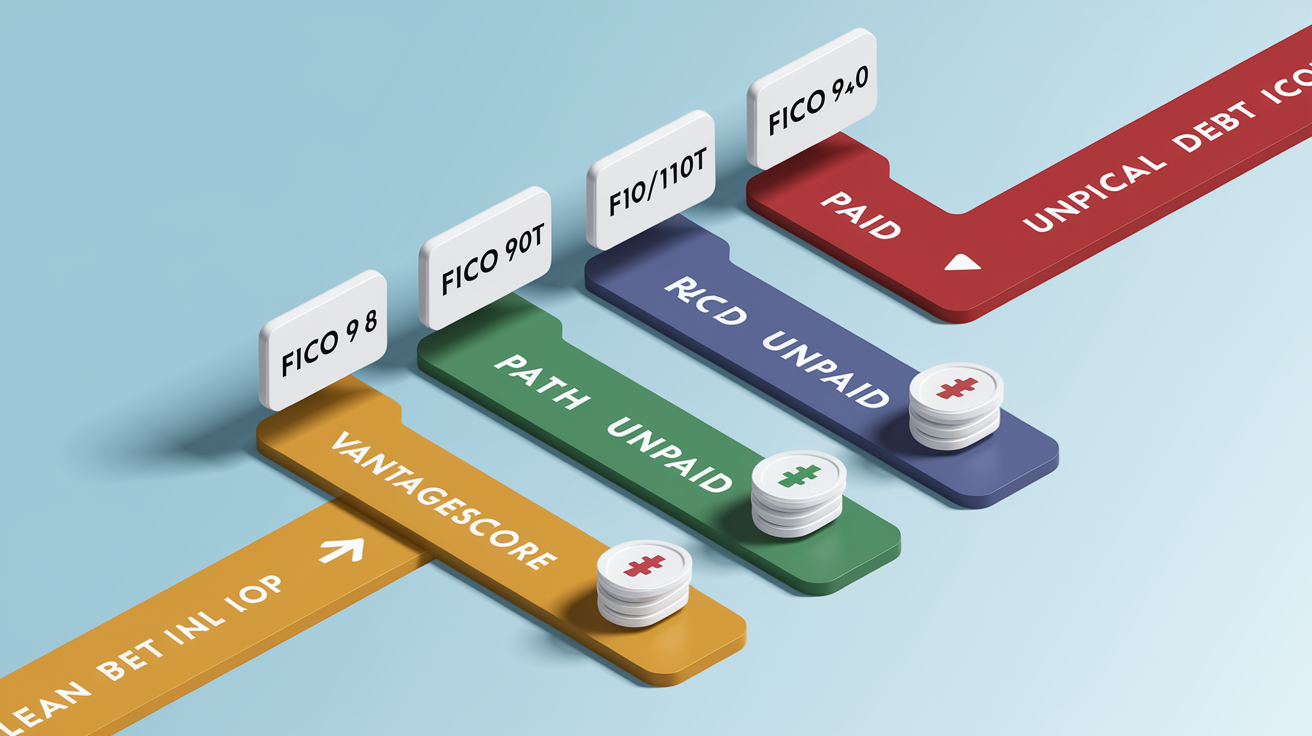
Payment history is the largest single component of most credit scoring formulas, accounting for about 35 percent of your FICO Score 10T and VantageScore 4.0. Collection accounts fall under this category as severely negative entries because they signal that you stopped paying a debt entirely. How much a collection hurts (and whether paying it helps) depends on the specific scoring model the lender uses and the type of debt involved.
Older scoring models penalize collections for amounts as small as $100. FICO Score 8, released in 2009 and still the most commonly used version for credit card and auto loan decisions, counts any collection account with an original balance of $100 or more against your score. Even after you pay it in full. VantageScore 3.0 and VantageScore 4.0 set a higher threshold. They ignore all collections under $250, treating them as “nuisance” debts too small to predict default risk.
Newer FICO versions (FICO Score 9, FICO Score 10, and FICO Score 10T) ignore all paid collections, regardless of the original debt amount. If your only collection is marked “paid” and a lender pulls FICO 9 or later, that entry won’t hurt your score at all. VantageScore 3.0 and VantageScore 4.0 also ignore all paid collections and, uniquely, disregard all medical collections whether paid or unpaid. Unpaid non-medical collections above the nuisance threshold continue to count as negative marks across every scoring model.
Medical collections receive special treatment in most modern formulas. FICO Score 9 and FICO Score 10 reduce the score impact of unpaid medical collections compared with non-medical collections of the same dollar amount, recognizing that medical debt often results from unexpected illness or injury rather than irresponsible borrowing. VantageScore 3.0 and 4.0 take this further by excluding medical collections entirely from their calculations. The three major credit bureaus stopped reporting paid medical collections and unpaid medical collections with initial balances under $500, so many medical debts never appear on credit reports at all.
In 2022, the Federal Housing Finance Agency announced that mortgage lenders issuing conforming loans must adopt FICO Score 10T and VantageScore 4.0 as their primary credit scores. Implementation is scheduled to finish by the end of 2025. Once that transition is complete, paying off a collection before applying for a mortgage may deliver a measurable score benefit, because both required models ignore paid collections. FICO Score 10T also incorporates trended data (your payment patterns over the past 24 months), which means consistent on time payments after paying a collection can compound the positive effect.
Here’s how the major scoring models treat collections:
FICO Score 8 counts all unpaid and paid collections for debts originally $100 or more. Widely used for credit cards and auto loans.
FICO Score 9, 10, and 10T ignore all paid collections, reduce the impact of unpaid medical collections. FICO 10T uses trended data and will be required for conforming mortgages by late 2025.
VantageScore 3.0 and 4.0 ignore all paid collections, all collections under $250, and all medical collections (paid or unpaid). Required for conforming mortgages by late 2025.
Unpaid non-medical collections above thresholds count as negative marks in every scoring model, though the weight may vary.
Paid non-medical collections below nuisance thresholds are ignored by FICO 8 and later ($100 cutoff) and by VantageScore 3.0/4.0 ($250 cutoff).
Legal Timelines: Statute of Limitations vs Credit Reporting Rules

The seven year credit reporting period and the statute of limitations on debt are two separate timelines governed by different laws. The Fair Credit Reporting Act sets a national seven year limit on how long a collection can appear on your credit report, starting from the date of first delinquency. Paying the debt doesn’t restart this clock, and the collection entry will automatically drop off your report once seven years have passed, whether you pay it or not.
The statute of limitations, by contrast, determines how long a creditor or collector can legally sue you to recover the debt, and it varies by state. Typically between three and six years for most consumer debts. This clock usually starts on the date of your last payment or, in some states, the date of your last account activity. If the statute expires, the collector loses the right to obtain a court judgment, wage garnishment, or bank levy, but the debt itself doesn’t disappear and the collection entry can still remain on your credit report until the full seven year FCRA period expires.
Key distinctions between the two timelines:
The seven year reporting period is set by federal law (FCRA) and applies uniformly across all states. The statute of limitations is state law and ranges from three to ten years depending on debt type and location.
Making a payment on an old debt doesn’t extend the seven year reporting period, but in many states it can restart the statute of limitations and re-open your exposure to a lawsuit.
Re-aging (when a collector illegally changes the date of first delinquency to make a debt appear newer) is a violation of the FCRA and can be corrected through a dispute with the credit bureaus.
Paying a collection after the statute has expired eliminates the legal risk of being sued but doesn’t remove the entry from your credit report until the original seven year period ends.
Pay for Delete, Disputes, and Getting Collections Removed

Paid collections typically can’t be removed from your credit report before the seven year expiration unless the entry is inaccurate or you successfully negotiate a pay for delete agreement with the collector. A pay for delete deal is exactly what it sounds like. You agree to pay the debt (in full or as a settlement), and the collector agrees in writing to ask the credit bureaus to remove the collection entry entirely. Not all collectors will agree to this arrangement, and even when they do, the agreement must be documented in writing before you make any payment.
If a collection account is misreported (for example, the debt belongs to someone else, the amount is wrong, or the account was already paid), you have the right to dispute it with each of the three major credit bureaus (Equifax, Experian, and TransUnion). The bureau must investigate within 30 days and either verify the information or remove it. Sending a debt validation letter to the collection agency before paying can confirm that the debt is legitimate and that the reported balance matches what you actually owe. Updates to your credit report typically appear within 30 to 60 days after the collector submits the change to the bureaus.
Steps to pursue removal or correction of a collection:
Send a debt validation letter to the collector within 30 days of their first contact, requesting proof that you owe the debt and that they have the legal right to collect it.
If the debt is accurate and you want it removed, negotiate a pay for delete agreement in writing before making any payment. Specify the exact amount you’ll pay and the collector’s promise to request deletion from all three bureaus.
If the collector refuses pay for delete, negotiate a settlement amount and obtain a written settlement letter stating the debt will be reported as “paid” or “settled” after payment.
After paying, request written confirmation of the zero balance and ask the collector to update the credit bureaus. Keep copies of all correspondence and payment records.
Check your credit reports from all three bureaus 60 days after payment to confirm the update. If the entry is still listed incorrectly, file a dispute with each bureau that shows the error.
Negotiating and Settling Collections Effectively

Most collection agencies are willing to negotiate because they often purchase debts for pennies on the dollar and prefer to recover something rather than nothing. Before you agree to pay, confirm the debt is legitimate by requesting validation in writing, then decide whether you want to pay in full, settle for less, or attempt a pay for delete arrangement. Any agreement you reach should be documented in writing before you send a single payment, because verbal promises are difficult to enforce and collectors may later deny the terms.
Start by offering a lump sum payment of 25 to 50 percent of the balance, especially if the debt is older or the statute of limitations is about to expire. Collectors may counter at 60 to 70 percent, and you can often settle somewhere in the middle. If you agree to a settlement, ask for a written letter that states the agreed amount, confirms that paying this amount will satisfy the debt in full, and specifies that the account will be reported as “paid” or “settled” to the credit bureaus. If the collector agrees to a pay for delete, that promise must also be in writing and should name each credit bureau from which the entry will be removed.
After you pay, keep copies of the canceled check or payment confirmation, the settlement letter, and any other correspondence. Wait 30 to 60 days, then pull your credit reports from all three bureaus to verify that the account shows a zero balance and the agreed status. If the entry is still listed as unpaid or if the collector didn’t honor the pay for delete agreement, file a dispute with the credit bureaus and send a follow up letter to the collector with copies of your original agreement and proof of payment.
Practical negotiation steps:
Request debt validation in writing before negotiating or paying. Confirm the debt is yours, the amount matches their claim, and the collector has legal standing to collect.
Decide your maximum payment (budget based) and start your offer at 25–40 percent of the balance. Be prepared to negotiate upward but hold firm on affordability.
Ask for pay for delete in writing. If the collector refuses, negotiate the lowest settlement amount and request a written settlement letter that includes the final balance and reporting terms.
Never provide bank account or debit card details over the phone. Use a cashier’s check, money order, or one time payment method to avoid unauthorized withdrawals.
Document every conversation (date, time, representative name, and summary). Follow up any verbal agreement with a written request for confirmation.
After payment, verify the update on all three credit reports within 60 days and dispute any errors immediately. Retain all records for at least three years in case of future disputes.
Medical Collections: Special Scoring Rules and Exemptions
Medical collections receive more favorable treatment than other types of debt under current credit reporting rules and scoring formulas. The three major credit bureaus no longer report paid medical collections of any amount, and they also exclude unpaid medical collections with initial balances under $500. VantageScore 3.0 and VantageScore 4.0 ignore all medical collections (paid or unpaid) when calculating your score, and FICO Score 9 and later versions reduce the score impact of unpaid medical debt compared with non-medical collections of the same dollar value.
Because medical collections make up 57 percent of all collection entries on consumer credit reports, these rule changes remove a substantial amount of negative information for millions of people. If your only collections are medical debts under $500 or debts you’ve already paid, those entries shouldn’t appear on your credit report at all. If you have an unpaid medical collection of $500 or more, paying it will immediately benefit your score under VantageScore 3.0/4.0 (which ignore all medical debt once paid) and FICO Score 9 or later (which treat paid collections more leniently than unpaid ones).
| Medical Debt Type | Reporting Status | Scoring-Model Treatment |
|---|---|---|
| Paid medical collections (any amount) | Not reported by bureaus | No impact on any scoring model |
| Unpaid medical collections < $500 | Not reported by bureaus | No impact on any scoring model |
| Unpaid medical collections ≥ $500 | Reported for up to seven years | Ignored by VantageScore 3.0/4.0; reduced impact in FICO 9/10; full impact in FICO 8 |
How Paying Collections Affects Mortgage, Auto, and Rental Approvals

Lenders and landlords evaluate paid and unpaid collections differently, even when the credit score itself shows little change. Mortgage underwriters often require that all collection accounts be paid or settled before approving a loan, especially for government backed programs like FHA and VA loans, which set specific guidelines on outstanding collections. Once the Federal Housing Finance Agency’s mandate takes full effect by the end of 2025, conforming mortgage lenders will use FICO Score 10T and VantageScore 4.0 (both of which ignore paid collections), so paying off collections before applying for a mortgage may produce both a score increase and easier underwriting approval.
Auto lenders typically prefer to see a zero balance on collection accounts, but many will approve borrowers with unpaid collections if the rest of the credit profile is strong and the debt amount is relatively small. Paying a collection demonstrates recent financial responsibility and reduces the lender’s concern that you’ll default on the new loan. Some auto lenders use older scoring models like FICO Auto Score 8, which still penalizes paid collections, so the score benefit may be modest. But the manual underwriting review often weighs paid status favorably.
Rental applications frequently include a background check that pulls your credit report and highlights any collections, evictions, or public records. Landlords may reject applicants with unpaid collections or require a larger security deposit to offset the perceived risk. Paying collections before you apply for an apartment improves your chances of approval and may help you negotiate standard deposit terms rather than paying double or triple the usual amount upfront.
Steps to Rebuild Credit After Paying Collections
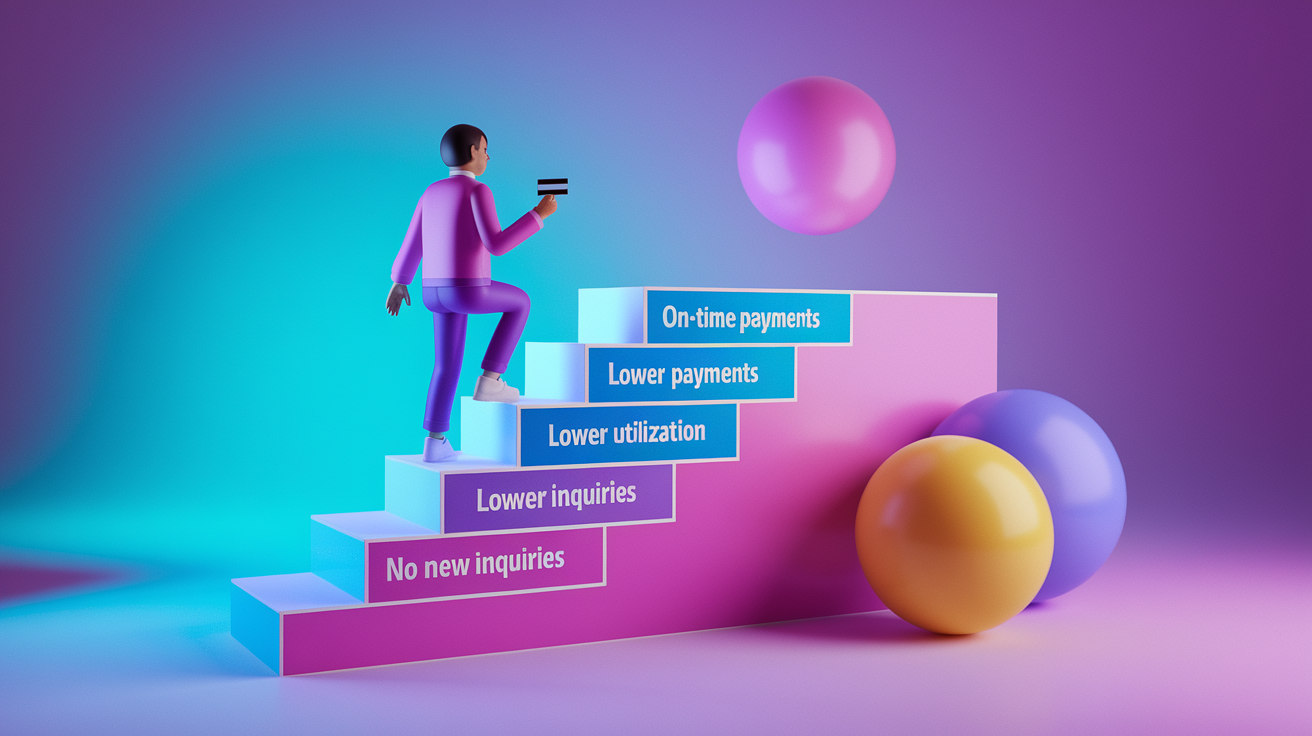
Paying a collection removes one source of financial and legal risk, but rebuilding your credit score requires consistent positive habits over the months and years that follow. The single most important step is to make every payment on time going forward, because payment history accounts for 35 percent of your score and even one new late payment can offset the benefit of paying off old collections. Set up automatic payments or calendar reminders for all recurring bills (credit cards, loans, utilities, and subscriptions) so you never miss a due date.
Reducing your credit card balances lowers your credit utilization ratio (the percentage of your available credit that you’re using), which is the second largest scoring factor after payment history. If you carry balances close to your credit limits, aim to pay them down to below 30 percent of each card’s limit, and ideally below 10 percent for maximum score benefit. Avoid opening multiple new credit accounts in a short period, because each application generates a hard inquiry that can lower your score by a few points and signals to lenders that you may be taking on too much debt too quickly.
Monitor your credit reports from all three bureaus every few months to confirm that the paid collection is accurately reported and that no new errors or fraudulent accounts have appeared. You’re entitled to one free credit report per bureau per year at AnnualCreditReport.com, and many credit card issuers and personal finance apps provide free credit monitoring with alerts for new accounts or inquiries. If you discover an error (such as a collection that should have been removed or a balance that still shows as unpaid after you settled it), file a dispute with the bureau immediately and provide documentation of your payment.
Long term credit improvement happens gradually as negative marks age and positive payment history accumulates. The impact of a collection on your score diminishes over time, even if the entry remains on your report, because scoring models place more weight on recent activity. Adding rent, utility, or subscription payments to your credit file through services that report these accounts can accelerate recovery by building a track record of on time payments in categories that traditional credit reports often ignore.
Actionable steps to rebuild credit after paying collections:
Make every payment on time for all accounts (credit cards, loans, utilities, subscriptions). Use autopay or reminders to avoid missed due dates and protect the 35 percent payment history component of your score.
Pay down credit card balances to below 30 percent utilization on each card, and aim for below 10 percent if possible. High utilization can suppress scores even when payments are on time.
Avoid applying for new credit unless necessary. Space out applications by at least six months to minimize hard inquiries and prevent the appearance of credit seeking behavior.
Check your credit reports from all three bureaus every 60–90 days. Verify that the paid collection shows a zero balance and dispute any inaccuracies immediately with documentation.
Consider adding recurring bill payments (rent, utilities, phone) to your credit file through services like Experian Boost or RentTrack. These can build positive payment history in categories not traditionally reported.
Be patient and consistent. The negative impact of a collection fades over the seven year reporting period, and steady on time payments will gradually outweigh old mistakes in your credit profile.
Final Words
We covered how scoring models treat paid vs. unpaid collections, special rules for medical debt, legal timelines, negotiation tactics, and a step-by-step plan to rebuild credit.
The main action: verify the account, consider a written pay-for-delete or settlement, keep documentation, and follow rebuilding steps. Expect reporting updates in about 30 to 60 days and steady improvement over years.
If you’re asking does paying off collections improve credit score, short answer: sometimes. Newer models often ignore paid collections, so paying plus consistent on-time behavior will help. Keep going; progress adds up.
FAQ
Q: How many points will my credit score increase when I pay off collections?
A: Paying off collections will increase your credit score by an unpredictable amount. Newer models often ignore paid collections while older ones still count them. Expect a boost from a few points up to 50–100+, check reports in 30–60 days.
Q: Can you have a 700 credit score with collections?
A: You can have a 700 credit score with collections if the rest of your profile is strong. Newer scoring models may ignore paid or small medical collections, so steady payments and low utilization are key.
Q: How long does it take to improve credit score after paying off collections?
A: Credit score improvement after paying collections usually shows within 30–60 days once bureaus update. Bigger, lasting gains take months as on-time payments and lower utilization rebuild your profile.
Q: How to raise credit score 100 points in 30 days?
A: Raising your credit score 100 points in 30 days is uncommon and not guaranteed. Start by fixing report errors, paying down high balances to lower utilization, and negotiating removal of major negatives, then monitor progress.