


Grocery stores are set up to make you spend more, and most of us fall for it.
The good news: small changes like meal planning, a smarter shopping list, store-brand swaps, digital coupons, and freezing or portioning bulk buys can cut your grocery bill by 10% to 30%.
This post shows the tactics that actually save money, explains why they work, and gives clear first steps.
If you only do one thing, plan your week’s meals before you shop.
Most Effective Way to Start Cutting Grocery Costs Immediately
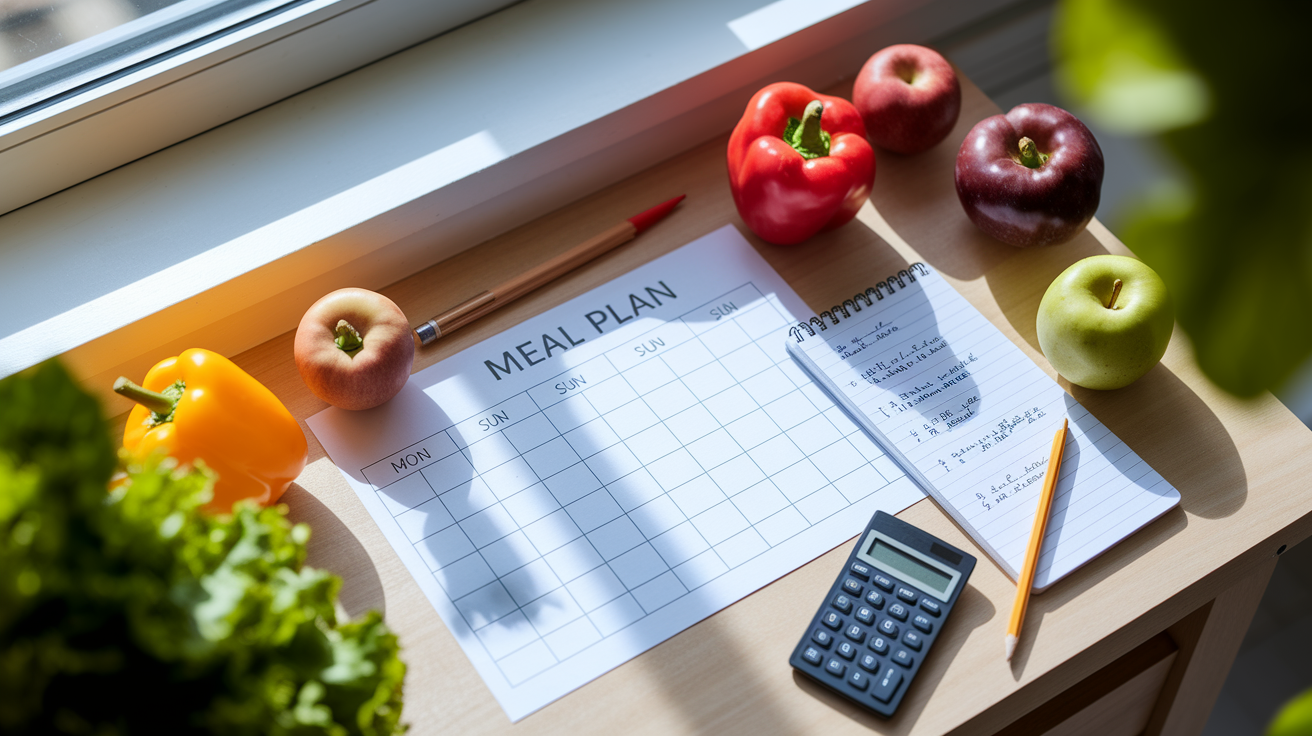
Planning your week’s meals before you step into a store is the single fastest way to cut grocery spending. Most households waste money on duplicates, last minute takeout, and ingredients that spoil before they’re used. When you know exactly what you’re cooking Monday through Sunday, you buy only what you need and nothing else.
Meal planning also shuts down impulse purchases. Walking into a store without a plan means you’re vulnerable to every end cap display and “manager’s special” that may or may not fit your week. Planning ahead keeps you focused, and it prevents the expensive cycle of buying food you forget about until it’s too late. Households that plan their meals typically see weekly savings between 10% and 30%, depending on how chaotic their old shopping habits were.
Here’s how to create a quick weekly meal plan in five simple steps:
- Choose five to seven dinners based on what your household actually eats without complaint.
- Check your pantry, fridge, and freezer to see which ingredients you already have.
- Write a shopping list that includes only the missing ingredients for those meals, plus breakfast and lunch basics.
- Estimate the total cost by adding up approximate prices as you write your list.
- Stick to the plan during the week, even when you’re tempted to order pizza or grab something easier.
If your typical weekly grocery bill is $150, planning could bring it down to $105 to $135 in the first month. That’s an extra $60 to $180 back in your account each month, just from deciding what’s for dinner before you leave the house.
Smart List Building Techniques
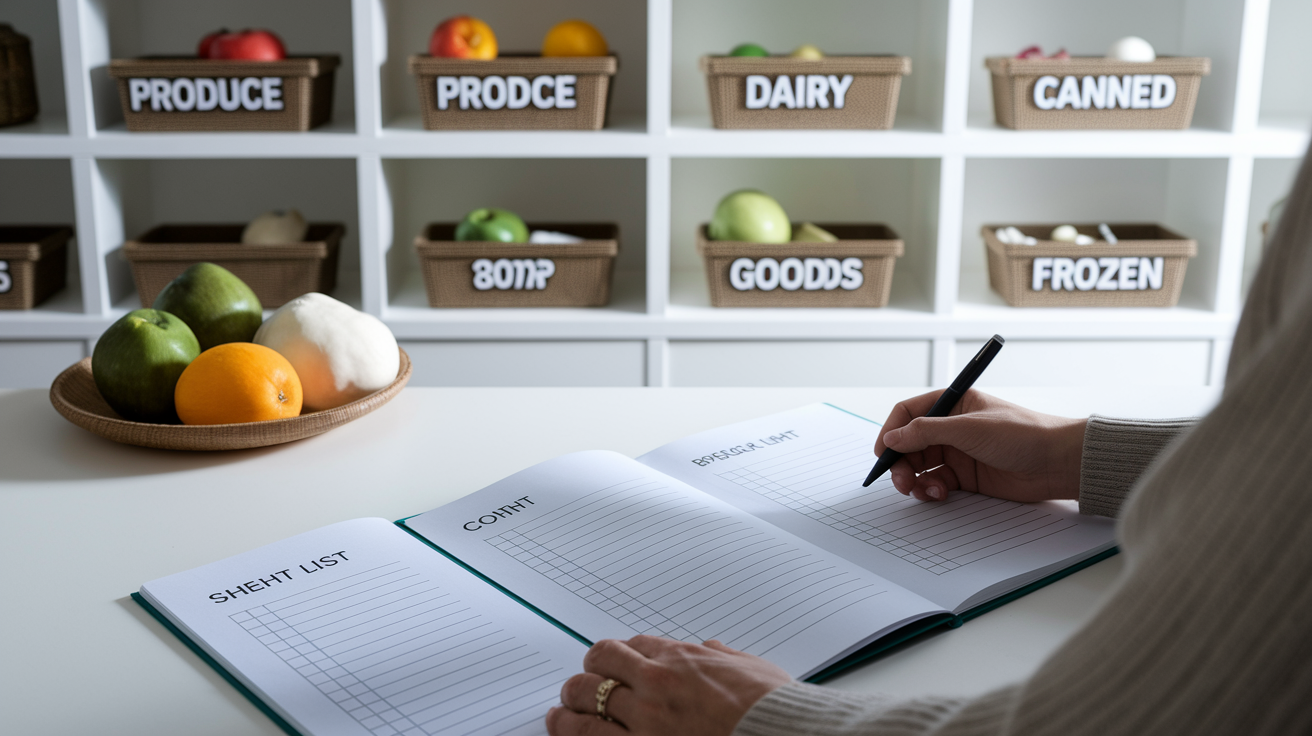
A shopping list is only as good as the inventory check that builds it. Before you write down a single item, open your pantry and fridge and take note of what’s actually there. You’d be surprised how often people buy a second jar of mayo or a third box of pasta because they didn’t look first. Checking what you have takes five minutes and prevents spending $20 or more on duplicates every trip.
Grouping your list by store section keeps you from wandering into aisles you don’t need. When your list reads “produce, dairy, canned goods, frozen,” you move through the store in a straight line. Wandering leads to browsing, and browsing leads to things you didn’t plan to buy ending up in your cart. Structure your list to match the layout of the store you’re visiting, and you’ll spend less time and less money.
Three list building habits that lower your total:
Write quantities next to each item so you don’t overbuy or guess at the register. Add a rough price estimate next to higher cost items to keep a running mental total. Leave treats and nonessentials for the end of your list, and only buy them if you’re under budget when you reach that section.
Switching to Store Brands
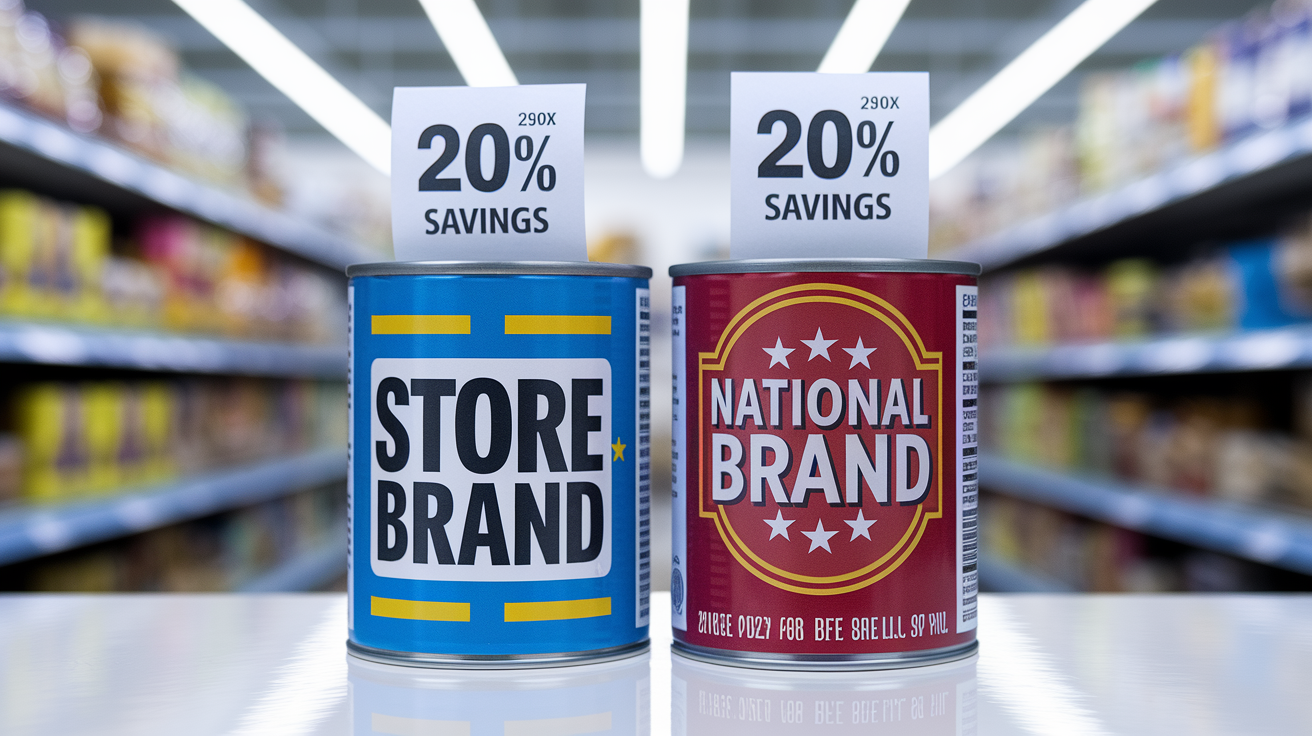
Store brands and generics cost 20% to 40% less than name brands, and in most categories the quality is identical. Many store label products are manufactured in the same facilities as the national brands, sometimes even using the same recipes. The difference is the label and the advertising budget, not what’s inside the package.
The biggest savings show up in pantry staples and everyday basics. Switching to store brand canned tomatoes, pasta, rice, oats, flour, sugar, and baking staples can cut $15 to $30 off a weekly bill without anyone at your table noticing. Dairy products, frozen vegetables, and canned beans are other high payoff categories. You might prefer the name brand version of one or two things, and that’s fine. Start with five or six easy swaps and you’ll still see the difference in your receipt total.
Using Digital Coupons and Cashback Apps

Digital coupons stack with sale prices, and that’s where the real savings happen. When a store already has chicken breasts marked down 30%, and you apply a $1 off digital coupon, you’re compounding the discount. Most grocery chains now offer app based coupons that you load once and the register applies automatically at checkout.
Common cashback apps like Ibotta, Fetch Rewards, and store specific programs can add $5 to $15 back into your account each week if you’re consistent. The savings come from scanning your receipt after every trip and claiming offers on items you were buying anyway. It takes about two minutes per shopping trip, and over a month that’s an extra $20 to $60.
Integrate app checking into your routine by scrolling through available offers while you’re writing your shopping list. Load any coupons that match items you already planned to buy, ignore the rest, and let the apps do the math at checkout. Don’t let offers tempt you into buying things you don’t need. The goal is to save on what you were already purchasing, not to spend more because there’s a coupon.
Buying in Bulk Without Wasting Food
Bulk buying works when the math actually saves you money and you can use everything before it spoils. Buying a five pound bag of rice makes sense if your household eats rice twice a week. Buying a three pound container of spinach when you use a handful once a month means you’re paying for food that ends up in the trash.
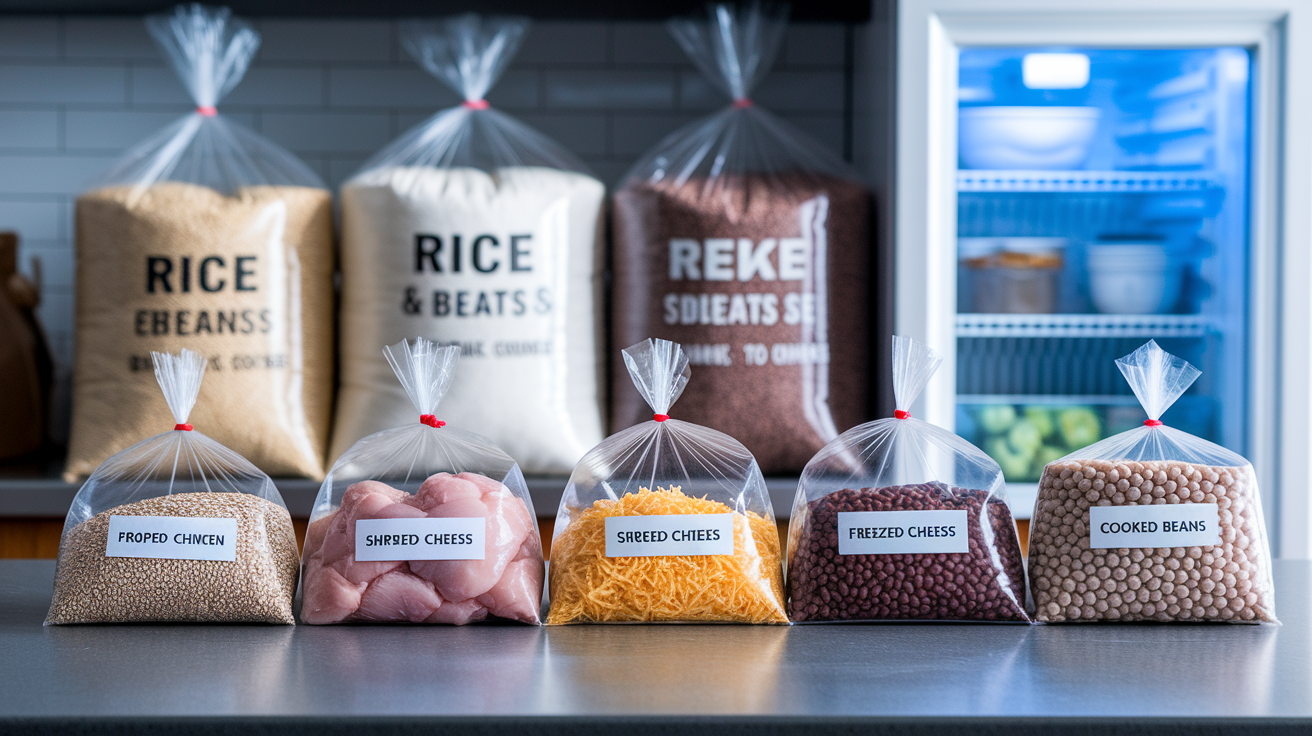
The key is dividing bulk purchases into usable portions and storing them properly. When you buy a family pack of chicken, separate it into meal sized portions, label each with the date, and freeze what you won’t cook within two days. Ground beef, cheese, bread, and many pantry staples all freeze well if you portion them first. Bulk pricing only saves money if you actually consume what you bought.
| Item | Ideal Bulk Size | Savings Potential |
|---|---|---|
| Rice (white or brown) | 10–20 lb bag | 30–40% vs small boxes |
| Chicken breasts (frozen or fresh) | 5–10 lb family pack | 20–35% per pound |
| Oats (old-fashioned or quick) | 5 lb canister | 25–40% vs single-serving packets |
| Canned tomatoes | 12-pack case | 15–25% vs buying individually |
Seasonal and Local Food Strategies
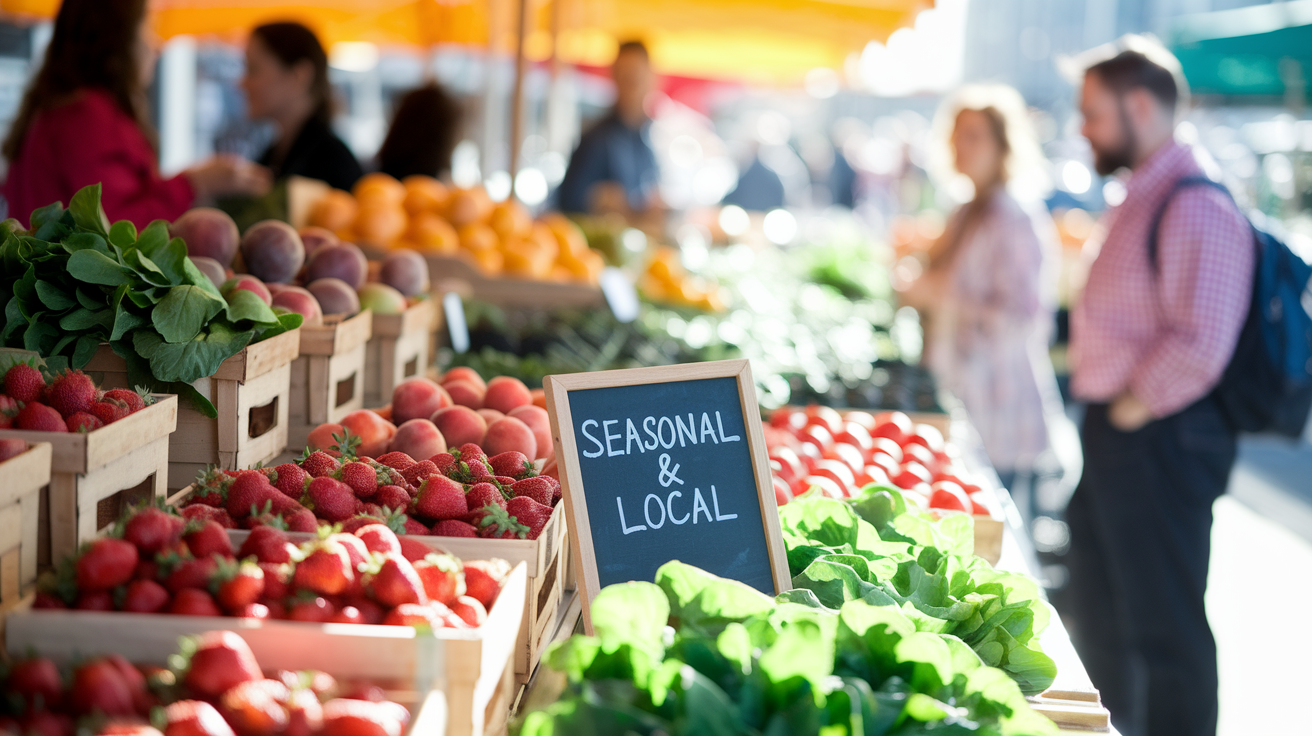
Produce costs drop by half or more when it’s in season locally. Strawberries in June might cost $2 per pound. The same berries in January can run $5 or $6. Tomatoes, corn, squash, and leafy greens all follow predictable seasonal cycles, and planning meals around what’s abundant right now keeps your produce spending low.
Farmers’ markets and local farm stands often price seasonal items lower than supermarkets because there’s no long supply chain. A box of peak season peaches at a farmers’ market might cost $8 when the grocery store is charging $3 per pound. Supermarkets also discount seasonal produce heavily during its peak weeks. Watch the weekly ads and load up when local crops flood the market. If you’re not sure what’s in season, look for the items with the lowest prices and the biggest displays. That’s your clue.
Reducing Food Waste at Home
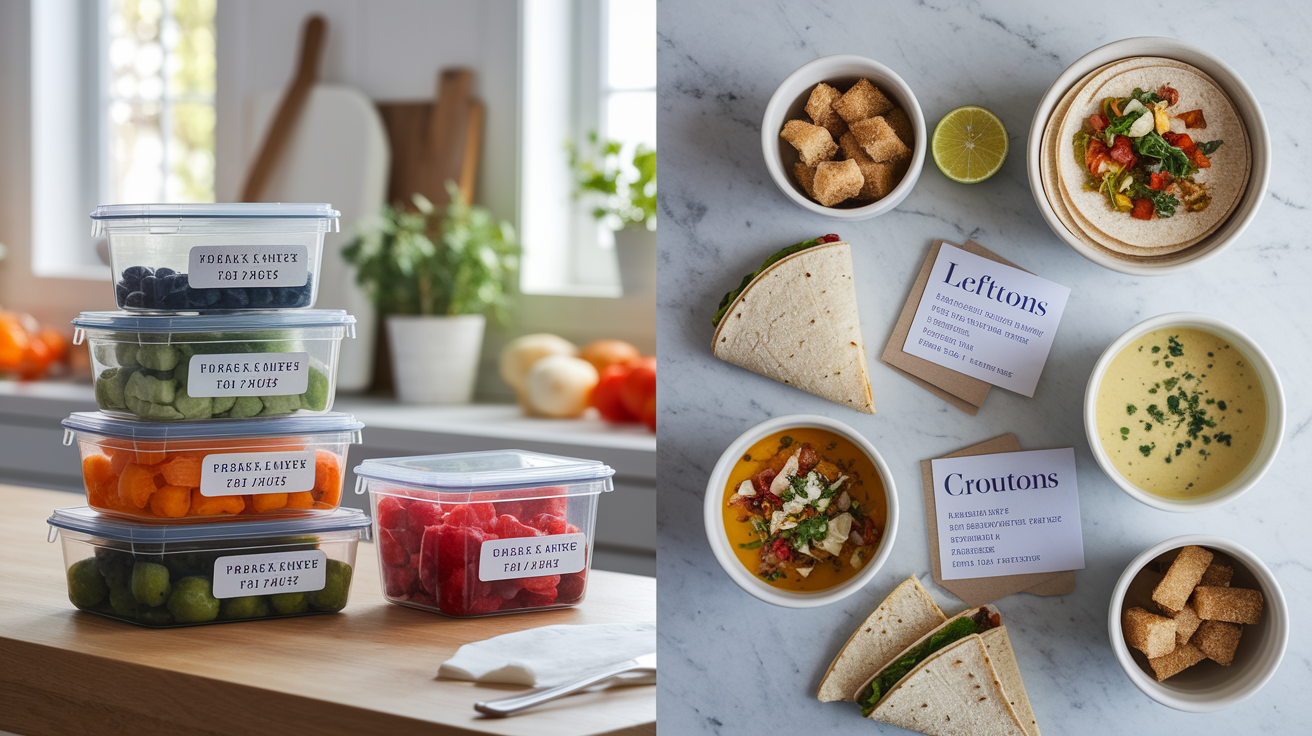
Proper storage can double or triple the life of fresh produce and leftovers, and that means you’re throwing away less of what you paid for. Lettuce stored in a sealed container with a paper towel stays crisp for a week instead of wilting in two days. Herbs kept in a glass of water in the fridge last twice as long as they do sitting loose in a drawer.
Repurposing leftovers into new meals is one of the fastest ways to stretch your grocery budget. Sunday’s roast chicken becomes Monday’s chicken tacos, and the bones simmer into stock for Tuesday’s soup. Leftover rice turns into fried rice, stale bread becomes croutons or breadcrumbs, and overripe bananas go into muffins. When you treat leftovers as planned ingredients instead of forgotten food, waste drops and so does your weekly spend.
Four common foods people waste and how to extend their life:
Bananas. Peel overripe ones and freeze in a zip top bag for smoothies or baking. Bread. Freeze extra loaves and thaw slices as needed. Stale bread can be toasted, turned into breadcrumbs, or used for French toast. Leafy greens. Store in airtight containers with a dry paper towel to absorb moisture and prevent wilting. Fresh herbs. Trim stems and place in a jar of water like a bouquet, then cover loosely with a plastic bag and refrigerate.
Mastering Store Loyalty Programs

Loyalty programs give you access to member only sale prices, personalized discounts, and rewards points that turn into dollars off future orders. Most major grocery chains now gate their best deals behind a free membership card or app. Without it, you’re paying full price while the shopper next to you is getting 20% off the same item.
Rewards structures vary, but many programs offer a simple points per dollar system. Spend $100, earn 100 points, and when you hit a threshold like 1,000 points you get $10 off your next trip. Some stores layer in bonus point weeks where certain categories earn double or triple. Personalized offers show up based on what you buy regularly. If you purchase yogurt every week, the app might send you a $1 off coupon on your usual brand. Sign up for the program, link it to your phone number or app, and the discounts apply automatically at checkout without any extra effort.
Price Matching and Strategic Store Selection
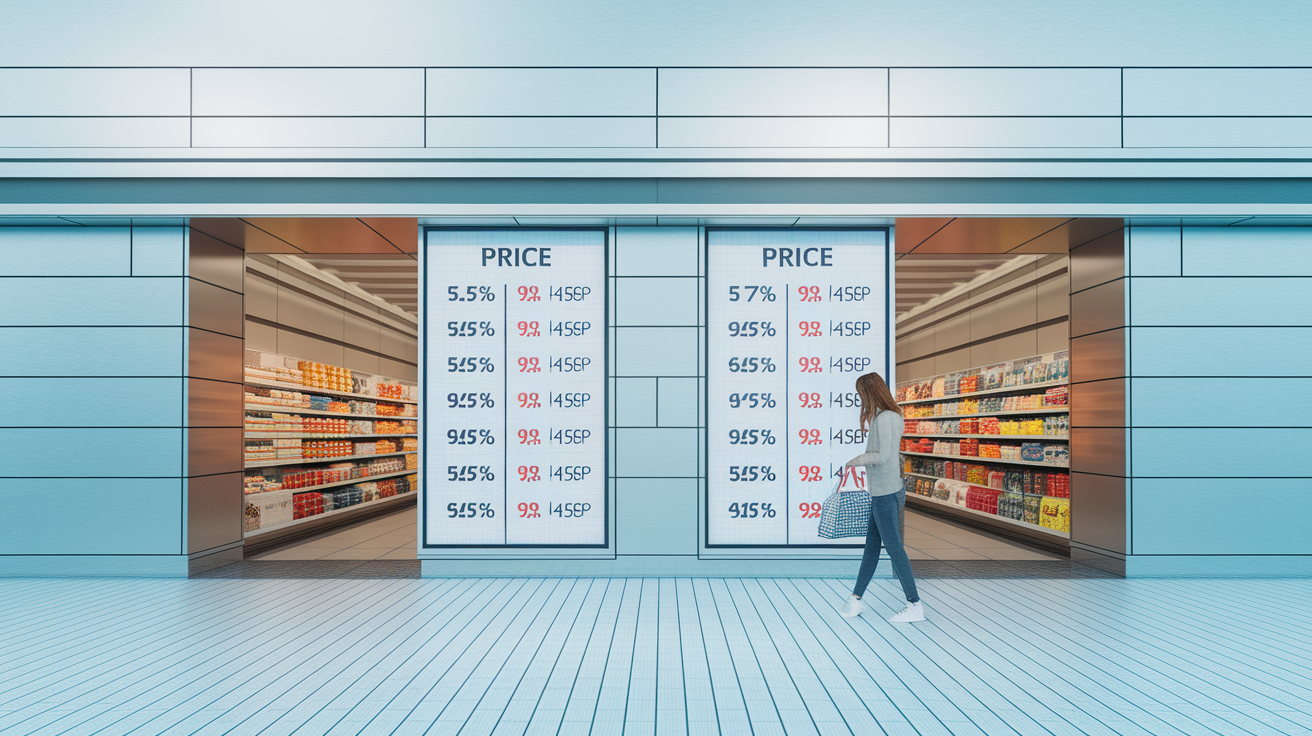
Price matching lets you buy everything at one store while still getting the lowest advertised price from competitors. Many large chains will honor a competitor’s current ad price if you show proof, usually a printed flyer or a screenshot of the sale. That means you can avoid driving to three different stores and still capture the best deal on each item.
Here’s how to compare prices efficiently in three steps:
- Collect weekly ads from the two or three stores nearest you, either in print or by checking their apps on the same day each week.
- Write your shopping list and note which store has the lowest price for each high cost item like meat, dairy, or produce.
- Decide whether the savings justify multiple stops or if price matching at one store makes more sense for your time.
If your main store offers price matching, bring the competitor ads and ask customer service to adjust the prices at checkout. Not all stores participate, so confirm the policy before you build your plan around it.
Shopping Frequency and Trip Optimization
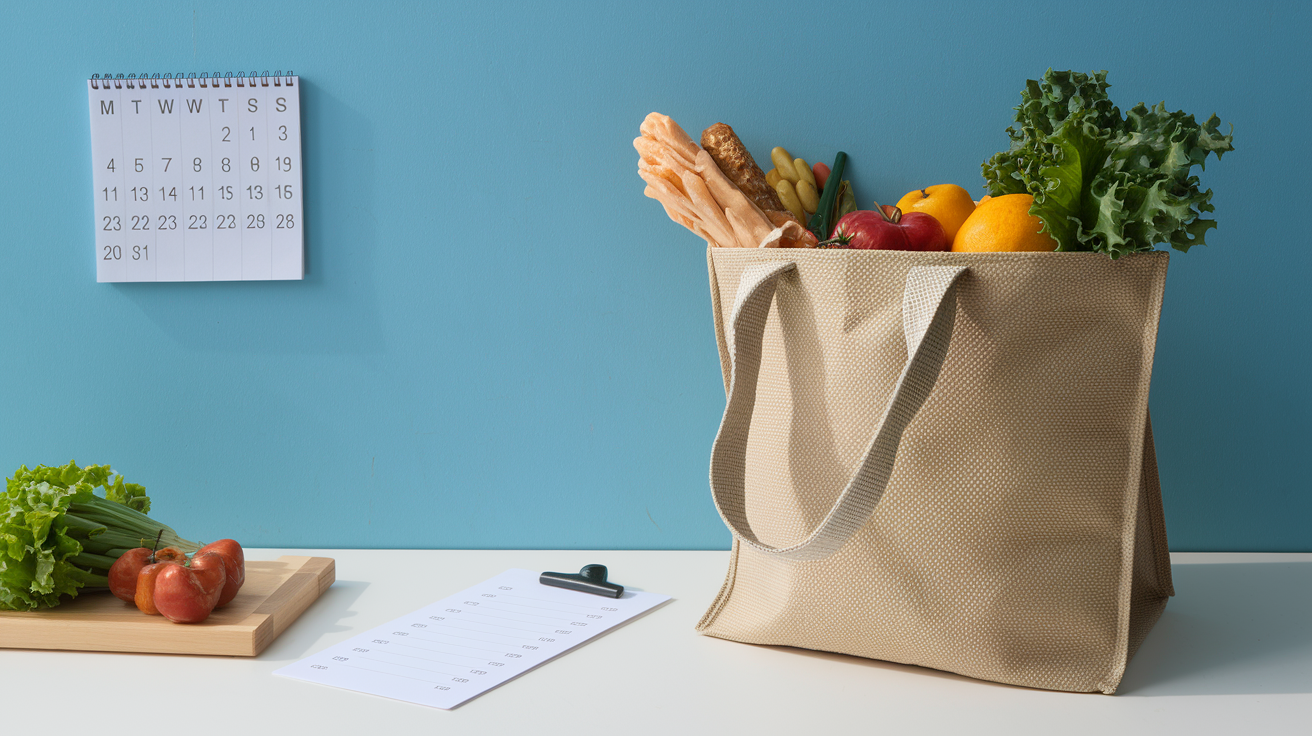
Every time you walk into a grocery store, you’re likely to spend $10 to $30 on things that weren’t on your list. Multiple trips each week multiply those impulse purchases, and suddenly you’ve spent an extra $40 to $120 without realizing it. One planned trip per week, with a solid list and a clear meal plan, keeps your total lower than three or four casual drop ins.
Consolidating trips also saves time and gas. Instead of stopping for milk on Monday, bread on Wednesday, and vegetables on Friday, you buy everything once and plan meals that use what you have. If you absolutely must make a second trip for fresh items mid week, write a three item list and bring only enough cash to cover those three things. Limiting what you can spend is the simplest way to avoid the impulse buy trap.
Using Freezer Management to Save Money
A disorganized freezer costs you money because food gets buried, forgotten, and eventually freezer burned into the trash. Labeling everything with the contents and date keeps you from playing freezer roulette six months later. Use a permanent marker on freezer bags or stick masking tape labels on containers. When you know what’s in there and when you froze it, you’ll actually use it.
Three foods that freeze especially well and offer major savings when bought in bulk or on sale:
Ground beef and other raw meats. Portion into meal sized amounts, press flat in freezer bags for quick thawing, and use within three to four months. Shredded cheese. Freeze in the original bag or portioned into smaller zip tops. Use directly from frozen in cooked dishes. Cooked beans and grains. Freeze in two cup portions. Thaw and add to soups, burritos, or grain bowls for fast, cheap meals.
Making More Meals from Affordable Staples
Rice, beans, oats, pasta, and potatoes are the backbone of low cost cooking. A pound of dried beans costs around $1.50 and makes enough for four to six servings. A five pound bag of rice runs $4 to $6 and covers dozens of meals. When you center dinners around these ingredients and treat meat or fish as a smaller supporting ingredient, your per meal cost drops by half or more.
Building meals around staples doesn’t mean eating the same thing every night. A pot of black beans becomes tacos one night, bean and cheese quesadillas the next, and black bean soup with cornbread after that. Rice pairs with stir fried vegetables, turns into fried rice with an egg and frozen peas, or bulks up a burrito bowl. Oats aren’t just breakfast. Savory oatmeal with cheese and vegetables makes a filling, cheap dinner.
Three quick meal ideas that cost under $3 per serving:
Black bean and sweet potato tacos. One can black beans, one medium sweet potato, corn tortillas, and whatever toppings you have (salsa, cheese, lettuce). Fried rice with frozen vegetables. Two cups cooked rice, one cup frozen mixed vegetables, two eggs, soy sauce, and a drizzle of oil. Pasta with white beans and greens. Half a box of pasta, one can white beans, a handful of spinach or kale, garlic, olive oil, and parmesan if you have it.
Understanding Unit Pricing
Unit pricing shows the cost per ounce, pound, or count, and it’s the only reliable way to compare value between different package sizes. A 16 ounce jar of peanut butter might look cheaper at $3.49 than a 28 ounce jar at $5.99, but the unit price reveals the bigger jar costs less per ounce. Most shelf tags print the unit price in small text below the total price. Use it every time you’re choosing between sizes or brands.
Misleading packaging is everywhere. A “family size” box of cereal sometimes costs more per ounce than the regular size when it’s not on sale. Single serving snack packs almost always cost two to three times more per ounce than buying the same item in a larger bag and portioning it yourself. Checking the unit price takes five extra seconds and can save you $1 to $3 on a single item. Do that across ten items in your cart and you’ve saved $10 to $30 without changing what you bought.
Tools and Printable Resources
A few simple tools keep your grocery strategy organized and help you track progress over time. You don’t need anything fancy. A sheet of paper and a pen work as well as any app, as long as you use them consistently.
Four resources that make grocery planning easier:
Weekly meal planner. A blank grid with seven days and space to write breakfast, lunch, and dinner for each. Pantry checklist. A printable list of common staples you can mark off before each shopping trip to avoid buying duplicates. Monthly grocery budget tracker. A simple spreadsheet or notebook page where you record each trip’s total and compare it to your target spend. Printable price log. A small notebook or template where you write down the regular and sale prices of items you buy often, so you know a true deal when you see one.
Final Words
Start by planning your week’s meals and building a tight grocery list—it’s the fastest way to cut costs.
This post walked through practical moves: pantry checks and list-building, switching to store brands, using digital coupons and cashback apps, smart bulk buying, seasonal choices, reducing food waste, using loyalty perks and price matching, fewer trips, freezer organization, leaning on cheap staples, checking unit pricing, and printable tools.
If you only do one thing this week, make a quick meal plan and stick to the list. These best strategies to reduce grocery spending work together—pick two, repeat them, and you’ll see steady savings.
FAQ
Q: What is the 5-4-3-2-1 grocery rule? / What is the 5-4-3-2-1 eating rule?
A: The 5-4-3-2-1 grocery/eating rule is a simple shopping and meal-plan template: pick 5 staples, 4 produce items, 3 proteins, 2 pantry meals, and 1 treat to limit impulses.
Q: How to drastically lower grocery bill?
A: To drastically lower your grocery bill, plan weekly meals, switch to store brands, use coupons and cashback apps, buy bulk smartly, and cut trips; you can often save about 10–30%.
Q: What is the 50 30 20 rule for groceries?
A: The 50/30/20 rule for groceries puts food spending inside the 50% “needs” bucket; aim to keep essentials within that share, adjusting for household size and income stability.