


What if getting a raise quietly costs you more than it gives?
Lifestyle inflation is when your spending climbs as your pay does, so upgrades like a new phone or fancier rent swallow the extra money and make raises feel useless.
This post shows why that happens and gives three simple moves you can use right away.
Decide where extra pay goes first, automate savings, and wait 30 days before big purchases to keep more of every raise.
Clear Explanation of Lifestyle Inflation and Why It Happens

Lifestyle inflation is when your spending creeps up as your income grows. You get a raise, and suddenly you’re upgrading your phone, moving to a nicer place, or ordering delivery three nights a week instead of one. The extra money feels like permission to spend more. Before long, that bigger paycheck doesn’t feel bigger at all because your expenses have climbed right alongside it.
This happens because of predictable psychological patterns. After a raise, you feel like you’ve earned the right to celebrate. There’s this natural impulse to upgrade, especially if you’ve been putting off purchases for months. The mental script shifts from “I need to watch my spending” to “I’m making more now, I don’t need to worry about budgeting.” Digital payments make it worse. One click purchasing means you can spend without the friction of handing over actual cash. What starts as a few small upgrades becomes your new normal, and it’s incredibly hard to reverse.
Common examples you’ll recognize:
- Buying the latest phone every year instead of keeping yours for three or four years.
- Trading a paid off car for a new one with monthly payments.
- Moving to a bigger apartment with higher rent.
- Dining out multiple times per week or constantly ordering delivery instead of cooking.
- Adding subscriptions and premium memberships without checking if you actually use them.
Financial Consequences of Lifestyle Inflation on Long-Term Wealth

Lifestyle inflation doesn’t just eat your monthly budget. It actively destroys your ability to build wealth. When spending rises to match every income bump, your savings rate stays flat or drops. Less money goes into retirement accounts, emergency funds, or investments, even though you’re earning more than ever. The opportunity cost is massive because extra income that could’ve been compounding for decades just vanishes into recurring expenses that build nothing.
The damage gets worse when lifestyle upgrades involve long term commitments. Moving to a pricier home locks in higher monthly costs for years. Buying a new car on a loan means paying interest on something that’s losing value. These decisions don’t just consume this month’s raise. They claim a piece of every future paycheck until the debt clears or the lease ends. High interest credit card debt is even more brutal, turning small impulse buys into long term anchors that grow through compound interest working against you.
Lifestyle inflation also weakens your financial cushion. If your income drops because of a job loss, health problem, or economic downturn, those elevated expenses become impossible to maintain. You’re forced into sudden, stressful cuts or you rely on debt to cover the gap.
| Consequence | Description |
|---|---|
| Reduced savings rate | Higher recurring expenses leave less to save or invest, even as income grows. |
| Delayed retirement | Years of missed or underfunded retirement contributions push back when you can stop working. |
| Increased debt risk | Upgrades financed with credit cards or loans create interest charges and kill financial flexibility. |
| Weaker emergency preparedness | Higher fixed costs make it harder to build and keep a 3 to 6 month emergency fund, leaving you vulnerable to income shocks. |
Understanding the Psychological Triggers Behind Lifestyle Creep
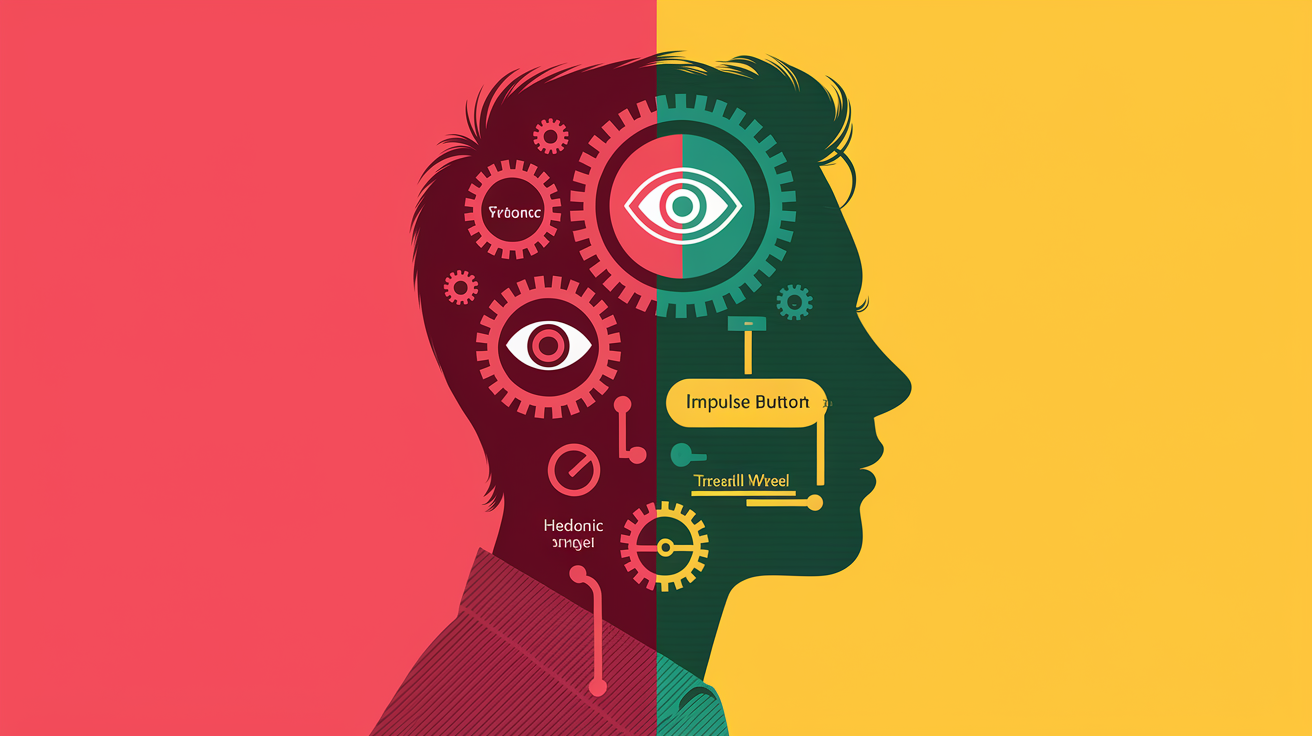
The urge to spend more as you earn more isn’t a personal failing. It’s rooted in behavioral patterns that affect almost everyone. Impulse buying gets easier when your account balance looks healthier. You see something you’ve wanted for months, and instead of pausing, you think “I can afford it now” and hit purchase. The decision feels justified in the moment. Those small justifications add up fast.
Social comparison plays a huge role. When your coworkers, friends, or neighbors upgrade their cars, homes, or vacations, you feel pressure to keep pace. This keeping up with the Joneses thing makes spending feel like a requirement for fitting in. The comparison is often subconscious. You notice what others have, internalize it as normal, and adjust your spending to match without realizing it’s happening.
Hedonic adaptation makes it worse. Once you upgrade to a nicer apartment, faster car, or premium coffee habit, the excitement fades quickly. What felt like a luxury last month becomes baseline this month, and you start hunting for the next upgrade to recapture that feeling. Frictionless digital payments amplify all these triggers. When spending is as easy as tapping your phone, the psychological barrier that used to exist with cash disappears. Purchases happen before you’ve had time to think through the trade offs.
Using Budgeting Strategies to Prevent Lifestyle Inflation

A written budget is your first defense against lifestyle creep. The moment your income changes, whether from a raise, bonus, or new job, sit down and update your budget. This forces deliberate decisions about where extra money goes instead of letting it quietly disappear into higher spending. Track your income, expenses, debts, and savings every month so you can spot patterns early and fix them before new habits lock in.
Two budgeting frameworks work especially well here. The 50/30/20 rule splits your income into 50% for needs like rent and groceries, 30% for wants like dining out, and 20% for savings and debt repayment. When income increases, keep the percentages the same or tilt them toward savings. Don’t let the 30% wants category balloon just because the dollar amount is bigger. Zero based budgeting takes a different approach by giving every dollar a job before the month starts. If you earn $4,500, you allocate all $4,500 to specific categories, including savings and debt payoff, so there’s no leftover money tempting you to spend.
Tracking Your Budget After an Income Increase
When your paycheck grows, follow these steps to refresh your budget and prevent extra income from leaking into lifestyle upgrades:
- Document your new gross and net income, accounting for changes in taxes, insurance, or retirement contributions.
- Review current spending categories and identify which are fixed (rent, loan payments) versus variable (groceries, entertainment).
- Calculate the actual dollar increase in take home pay and decide upfront how much goes to savings, debt, and discretionary spending.
- Update your monthly budget template or app to reflect new income and spending limits for each category.
- Set up automatic transfers to savings or investment accounts to lock in your new savings rate before you can spend it.
- Monitor spending for the first three months after the raise to catch category creep early. Compare actual spending to your updated budget and adjust if discretionary categories are growing faster than planned.
Needs vs Wants: A Decision Framework to Avoid Overspending

The line between needs and wants gets blurry when income rises. A $15 lunch might’ve felt like a splurge last year, but after a raise it starts feeling normal. To keep perspective, use a simple framework before making any non essential purchase. Ask yourself whether the item or service is truly necessary for your safety, health, or ability to work, or whether it’s something you want because it’s convenient, exciting, or socially expected. If it’s a want, that doesn’t mean you can’t buy it. But it does mean you should evaluate it carefully against long term goals.
The 30 day waiting rule works especially well for big ticket wants. Before buying a new phone, upgrading your car, or splurging on a luxury item, wait 30 days. If you still want it after a month and it fits your budget without displacing savings or debt payoff, go ahead. Most of the time, initial excitement fades and you realize you don’t need it. This pause creates space for rational decisions instead of impulse spending.
Use these four questions to guide purchase decisions:
- Does this purchase move me closer to a long term goal like retirement, homeownership, or financial independence?
- Would I still buy this if my income dropped by 20% next month?
- Am I buying this because I genuinely need or value it, or because I’m comparing myself to others?
- Could I meet the same need or desire in a less expensive way?
Automated Savings Techniques to Stay Ahead of Lifestyle Inflation

Automation removes the monthly decision of whether to save. Set up an automatic transfer from checking to a savings or investment account on the same day your paycheck hits. This pay yourself first approach ensures savings happen before you have a chance to spend the money. Start with at least 20% of gross income if possible, and increase that percentage every time you get a raise.
When income grows, resist keeping your savings dollar amount the same. If you were saving $600 per month before a $1,000 raise, don’t stick with $600. Increase monthly savings to $750 or $850. This keeps your savings rate growing in proportion to income and prevents lifestyle inflation from consuming the full raise. If you jump from saving 20% to 25% or 30% after a promotion, you’ll build wealth substantially faster while still enjoying a modest increase in discretionary spending.
Five automation strategies to implement right away:
- Schedule an automatic transfer to savings every payday, ideally within 24 hours of when your paycheck deposits.
- Increase your retirement account contribution percentage immediately after a raise. If you were contributing 6%, move to 8% or 10%.
- Set up a separate automated transfer to a tax advantaged IRA if your employer plan doesn’t allow higher contributions.
- Use direct deposit to split your paycheck automatically, sending a fixed percentage to savings and the rest to checking.
- Enable round up features in banking apps that automatically transfer spare change from purchases into a savings account.
Only after you’ve funded emergency savings, paid down high interest debt, and maxed tax advantaged retirement contributions should you consider investing extra cash in taxable accounts. At that point, diversified options like low cost index funds, bonds, or balanced mutual funds make sense, ideally with guidance from a financial planner to match risk to your timeline and goals.
Practical Strategies to Maintain Your Standard of Living Without Overspending

You can protect quality of life and keep spending in check at the same time by focusing on high impact, low cost habits. Shop secondhand for clothing, furniture, and electronics instead of always buying new. Thrift stores, online marketplaces, and consignment shops offer quality items at a fraction of retail cost. The savings add up quickly when you make it a default habit instead of a rare exception. Cook at home most nights instead of relying on takeout or delivery. Meal planning and batch cooking on weekends make it easier to stick with this even during busy weeks.
Recurring subscriptions are a common source of lifestyle leakage. Streaming services, gym memberships, software subscriptions, and premium app features can easily add up to $100 to $300 per month if you’re not paying attention. Every six months, review bank and credit card statements to identify recurring charges, then cancel anything you’re not actively using. Replace expensive daily habits with lower cost alternatives. Brew coffee at home instead of stopping at a café every morning, pack lunch a few days per week, and use free or low cost entertainment options like public libraries, parks, and community events.
| Habit | Monthly Savings Potential |
|---|---|
| Brew coffee at home instead of daily café visits | $80 to $150 |
| Cook dinner at home 5 nights per week instead of ordering takeout | $200 to $400 |
| Cancel unused streaming and subscription services | $30 to $100 |
| Shop secondhand for clothing and household items | $50 to $150 |
| Use a basic phone plan instead of premium unlimited data | $20 to $50 |
Applying Raises, Bonuses, and Unexpected Income Without Triggering Lifestyle Creep

The most important financial decision you make after a raise is what to do with it in the first 30 days. This is when new spending patterns form. If you immediately upgrade your apartment, buy a new car, or add recurring subscriptions, those expenses become part of your baseline and are nearly impossible to reverse. Instead, treat any income increase as an opportunity to accelerate financial goals rather than lifestyle.
Five rules to follow when income jumps:
- Allocate at least 50% of any raise, bonus, or windfall to savings, debt repayment, or retirement contributions before adjusting discretionary spending.
- Increase your retirement contribution rate by the same percentage as your raise. If you get a 5% raise, increase your 401(k) or IRA contribution by 5%.
- Pay down high interest debt with a portion of the increase, prioritizing credit cards and personal loans that carry double digit interest rates.
- Wait 30 days before making any large purchase or lifestyle upgrade to ensure the decision is deliberate, not impulsive.
- Use a separate goal account for any discretionary portion of the raise, earmarking it for planned expenses like a vacation, home repair, or future large purchase instead of letting it blend into everyday spending.
Imagine you get a $1,000 monthly raise. Person A immediately leases a nicer car, adding $400 per month in payments, upgrades their apartment for an extra $300, and increases dining out by $200. Their discretionary spending absorbs the full raise. Savings rate stays the same. Person B keeps their car and apartment, redirects $600 of the raise into a Roth IRA and emergency fund, and allows $400 for a mix of debt payoff and modest lifestyle improvements. After five years, Person A has a nicer car they don’t own and higher recurring bills. Person B has tens of thousands in retirement savings, a fully funded emergency account, and the flexibility to handle income disruptions without panic.
Debt Management and Lifestyle Inflation Prevention

Debt and lifestyle inflation feed each other in a dangerous cycle. When you carry high interest credit card balances, new income often gets diverted to minimum payments instead of savings, leaving you stuck in place even as salary grows. At the same time, lifestyle upgrades financed with credit cards or loans create new debt that further limits financial flexibility. Breaking this cycle requires prioritizing debt payoff over lifestyle increases, especially for any balance carrying an interest rate above 8% to 10%.
Start by paying off high interest credit card debt first. These balances compound quickly and can easily cost thousands in interest over time. Once credit cards are cleared, evaluate other debts like student loans, car loans, and mortgages. For student loans and mortgages, check with your lender about prepayment penalties before sending extra payments. Some loans charge fees for early payoff, which can offset interest savings. If there’s no penalty, directing even small extra payments toward principal can shorten the loan term and reduce total interest paid.
Avoid using credit cards to fund lifestyle upgrades after a raise. If you’re tempted to finance a vacation, new furniture, or electronics because your income is higher, pause and ask whether you’d make the same purchase if you had to pay cash today. The answer is usually no, which means the upgrade is being driven by the illusion of affordability created by credit, not by actual financial capacity. Clear consumer debt before committing to big lifestyle changes, and use income increases to stay out of debt rather than justify taking on more.
Emergency Funds and Their Role in Stopping Lifestyle Inflation

An emergency fund acts as a financial buffer that prevents lifestyle inflation from becoming a crisis when income drops. If you lose your job, face a medical issue, or need an urgent car repair, having 3 to 6 months of living expenses in a liquid savings account means you can cover the gap without slashing spending, racking up credit card debt, or pulling from retirement accounts. This fund should sit in a regular savings account, not invested, so you can access it immediately without worrying about market losses or withdrawal penalties.
Building this fund is a higher priority than investing extra cash or making lifestyle upgrades. If emergency savings is underfunded, direct raises and bonuses there first. Once the fund is complete, you gain freedom to take calculated risks, like investing more aggressively or pursuing a career change, because you know you have a safety net. Without it, any income disruption forces you to rely on debt, which often triggers a downward spiral of interest charges, reduced savings, and long term financial setbacks.
Three ways an emergency fund specifically helps you avoid lifestyle inflation:
- It removes the psychological pressure to spend it while you have it because you know unexpected expenses won’t derail your finances. You can afford to delay gratification and make thoughtful spending decisions.
- It prevents lifestyle upgrades from becoming financial traps by ensuring you can maintain your standard of living even if income drops, so you’re not forced to choose between keeping up appearances and paying rent.
- It gives you confidence to say no to purchases driven by social pressure or impulse, knowing that your financial foundation is solid and you’re prioritizing long term security over short term status.
Conducting Regular Lifestyle Audits to Stay on Track
A lifestyle audit is a deliberate review of your recurring expenses, spending patterns, and financial priorities. Conducting one every six months helps you spot lifestyle inflation early, before small increases become entrenched habits. The goal is to identify where money is going, evaluate whether those expenses still align with your goals, and make adjustments to keep spending intentional rather than automatic.
What to Review in a Lifestyle Audit
Check these six areas during each audit cycle:
- Recurring subscriptions and memberships. Cancel any streaming services, apps, gym memberships, or software subscriptions you haven’t used in the past month.
- Monthly bills for services like phone, internet, and insurance. Compare your current plan to competitors and negotiate or switch if you’re overpaying.
- Discretionary spending categories like dining out, entertainment, and shopping. Compare the past six months to your budget and identify any categories that have crept upward without a deliberate decision.
- New recurring expenses added since your last audit, such as subscription boxes, premium upgrades, or service contracts. Evaluate whether they’re worth the ongoing cost.
- Savings and debt repayment rates. Confirm that your savings percentage is at least 20% and hasn’t declined as income increased, and verify that debt balances are shrinking on schedule.
- Major purchases or lifestyle changes made in the past six months, like moving, buying a car, or taking on new debt. Assess whether they’ve improved your quality of life proportionally to their cost, or whether they’ve added stress and financial pressure.
Final Words
Start with one step today: use the budgeting and automation rules above to keep pay raises from becoming bigger bills.
We defined lifestyle inflation, explained why it happens, and showed practical fixes: needs vs wants checks, automated savings, emergency funds, debt payoff, and semiannual lifestyle audits.
If you can, set an automatic transfer of 10% from any raise to savings and review it every six months.
If you still wonder what is lifestyle inflation and how to avoid it, follow these rules and you’ll keep your standard of living rising without the stress. You’ve got this.
FAQ
Q: How to prevent lifestyle inflation?
A: The way to prevent lifestyle inflation is to automatically save raises, set a clear budget, use a 30-day wait for wants, and prioritize debt payoff and retirement contributions.
Q: What is the $1000 a month rule?
A: The $1000 a month rule usually means keeping a $1,000 starter emergency fund or saving $1,000 monthly toward goals; its meaning varies—adjust for your expenses and job stability.
Q: What is the 3 6 9 rule of money?
A: The 3 6 9 rule of money commonly refers to emergency fund targets: 3 months as a starter, 6 months for normal stability, 9 months for variable income; tailor it to your situation.
Q: What are examples of lifestyle inflation?
A: Examples of lifestyle inflation include upgrading phones or cars, moving to pricier housing, eating out more, adding subscriptions, and increasing recurring services like cleaners or streaming.