
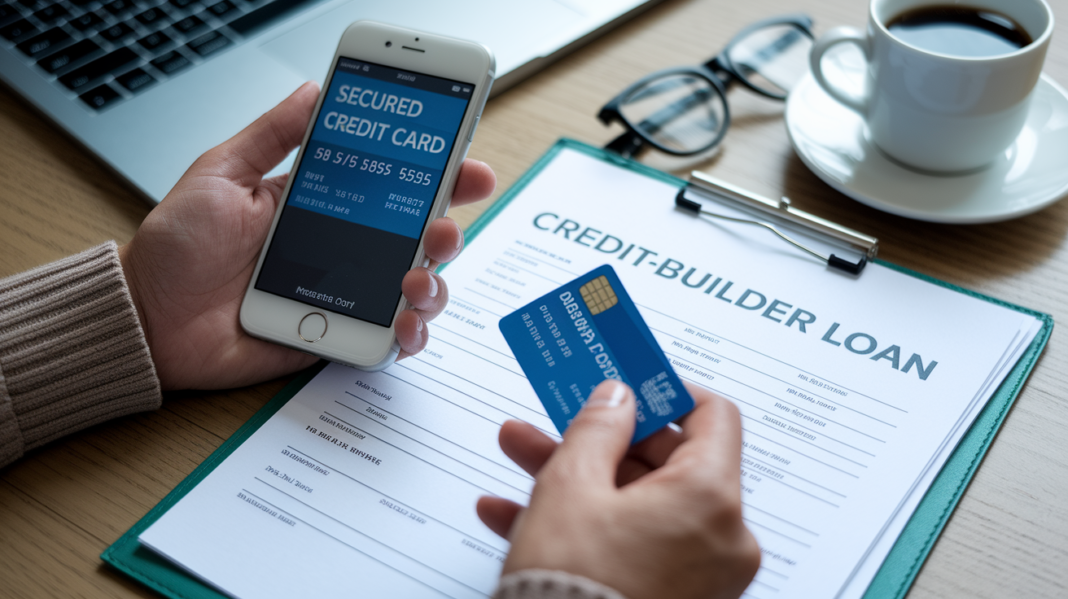

Which raises your credit score faster: a credit builder loan or a secured credit card?
They both report payments, but they work very differently.
Secured cards give you a revolving limit right away and affect credit utilization (how much of your available credit you’re using).
Credit builder loans lock the money in an account and report steady installment payments.
If you have little or no debt, a credit builder loan often nudges your score higher faster.
If you need spending power now or already carry debt, a secured card can move the needle — as long as you keep balances low.
Immediate Comparison Breakdown for Choosing Between These Two Credit-Building Tools
Go with a secured credit card if you’ve got $200 to $500 sitting around for a deposit and you need revolving credit now. Pick a credit builder loan if you don’t have cash for a deposit but you’ve got steady income and little to no debt.
Here’s how they work. A secured card needs a refundable deposit that sets your credit limit. You spend up to that limit, pay monthly, and the issuer reports your payment behavior and utilization to the three major bureaus. Credit builder loans are different. The lender locks the loan amount (usually $300 to $1,000) into a savings account or CD, you make fixed monthly payments for 6 to 24 months, and when you’re done, they release the funds minus interest and fees. Both report on-time payments and help you build history if you’re starting from scratch or recovering from past mistakes.
Six practical differences:
Upfront cost: Secured cards want a refundable deposit equal to your limit. Credit builder loans hold the principal in a locked account but you don’t pay anything upfront.
Access to funds: Secured cards give you spending power immediately. Credit builder loans keep your money locked until the term ends.
Reporting behavior: Secured cards report revolving utilization and payment history. Credit builder loans report installment payments, which diversifies your credit mix.
Risk: Secured cards can hurt you if balances climb too high. High utilization damages your score even when you pay on time. Credit builder loans have fixed payments, so there’s less temptation to overspend.
Timeline: Both can start reporting within one billing cycle, but credit builder loans often deliver bigger score gains for borrowers without existing debt. Around 60 points more than for borrowers with debt, according to a 2020 Consumer Financial Protection Bureau study.
Typical fit: Secured cards work for people who already carry some debt and want to practice managing revolving credit with low utilization. Credit builder loans work for debt-free borrowers who want installment history and a forced savings habit.
If you need to use credit right now for expenses or bills, get a secured card. If you want to build installment credit without the temptation to overspend and you can wait 6 to 24 months to access the funds, a credit builder loan fits better.
Core Mechanics of Credit Builder Loans Explained
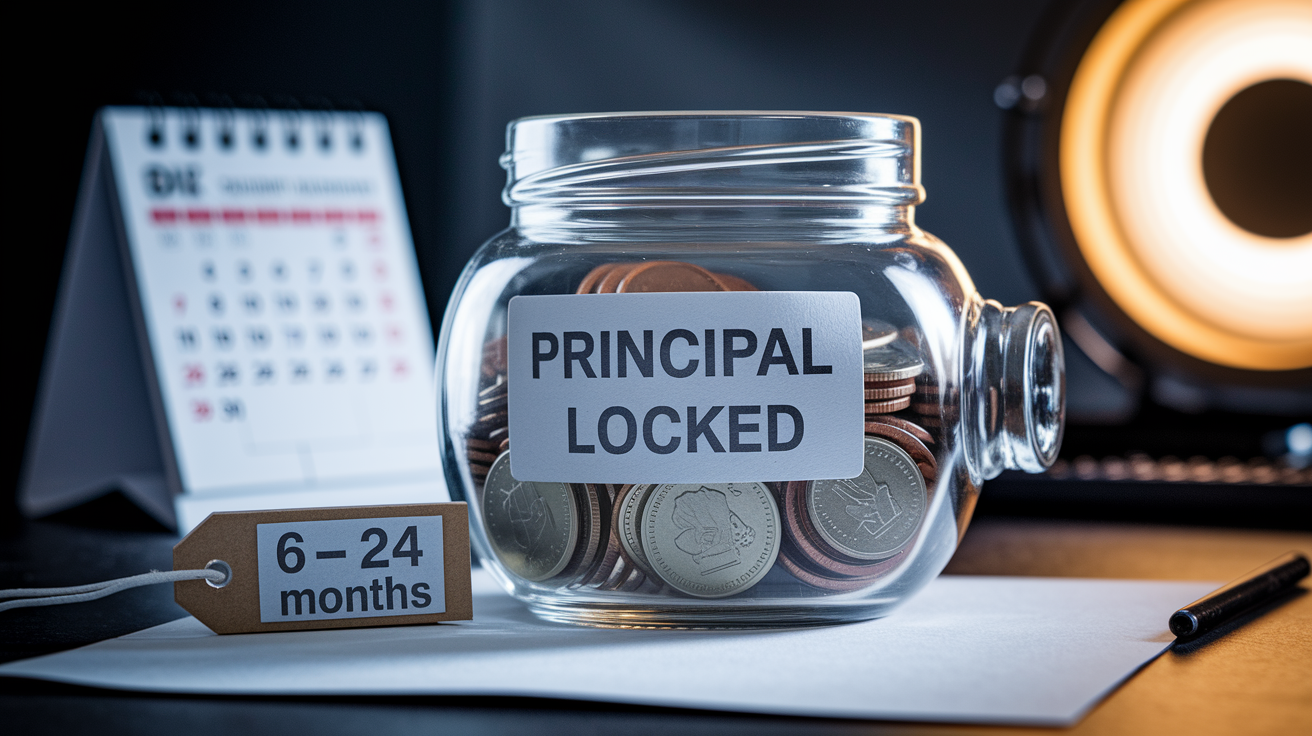
A credit builder loan is a small installment loan where the lender deposits the loan amount (commonly $500 to $1,000) into a locked savings account or CD. You don’t receive that money upfront. You make fixed monthly payments for a set term, usually 6 to 24 months. Each payment gets reported to the credit bureaus as an on-time installment payment. When you finish the term, the lender releases the locked funds to you, minus interest and fees.
Monthly payments can start as low as $10, so these loans are accessible even if you don’t make much. Because the money stays locked, the lender takes minimal risk. That’s why credit builder loans are easier to qualify for than traditional personal loans or unsecured credit.
Here’s how it works in practice:
Reporting: Lenders report your activity to TransUnion, Experian, and Equifax. Make sure your lender reports to all three before you sign anything.
Income requirement: Most lenders need proof of steady income or a checking account to verify you can make monthly payments.
Locked funds: The principal sits in a savings account or CD that you can’t touch during the loan term. This forced savings feature appeals to people rebuilding emergency funds.
End of term release: After your final payment, the lender transfers the balance to you. If the loan was $1,000 at 8 percent APR over 12 months, you’ll get roughly $1,000 minus about $39 in interest and any origination fees.
Credit builder loans help people with thin or no credit files by establishing a clean record of installment payments. Installment accounts (auto loans, mortgages, credit builder loans) improve your credit mix, which accounts for roughly 10 percent of your FICO score. If you only have revolving accounts or no accounts at all, adding an installment loan diversifies your file and shows lenders you can manage different types of credit responsibly.
How Secured Credit Cards Function as a Revolving Credit Tool
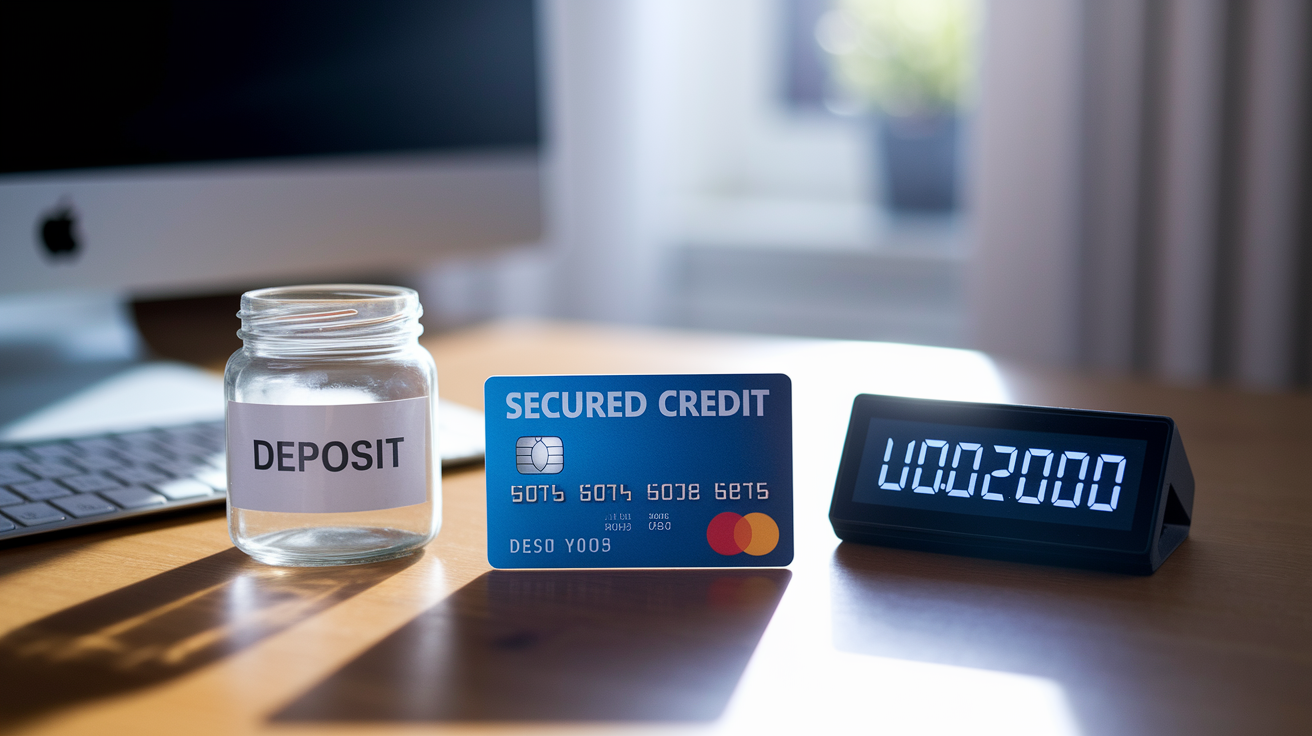
A secured credit card needs you to place a refundable security deposit with the card issuer before you can use it. The deposit typically becomes your credit limit. You deposit $300, your limit is usually $300. You charge purchases up to that limit, the issuer bills you monthly, and you make at least the minimum payment by the due date. The card company reports your payment behavior and your credit utilization to the three major bureaus.
Credit utilization is the percentage of your available credit that you’re using at any given time. If your limit is $500 and you carry a $150 balance, your utilization is 30 percent. Scoring models reward low utilization (under 30 percent, ideally under 10 percent) because it signals responsible management of revolving credit. High utilization hurts your score even when you pay on time.
Secured cards operate under these rules:
Deposit rules: Your deposit is refundable if you close the account in good standing or if the issuer upgrades you to an unsecured card after several months of on-time payments.
Approval differences: Many secured card issuers approve applicants with poor or no credit. Some skip the hard credit inquiry, though most still perform one.
Spending behavior: You can use the card for everyday purchases. Groceries, gas, subscriptions. Building a real-world payment history. Paying the balance in full each month avoids interest charges.
APR impact: APRs on secured cards commonly range from about 13.49 percent to 29.74 percent. One example card charges 23.89 percent APR with a $35 annual fee. Another charges 29.74 percent APR with no annual fee. If you carry a $300 balance on a card with 24 percent APR, you’ll pay roughly $6 in interest the first month.
Upgrade potential: Issuers often review accounts after 6 to 12 months. If you’ve paid on time and kept balances low, they may refund your deposit and convert your account to an unsecured card with a higher limit.
Secured cards are useful when you need to practice managing revolving credit and want immediate access to funds for daily spending. They teach utilization control and payment discipline in a live environment.
Cost Structures Compared: Deposits, Fees, Interest, and Total Out of Pocket
Secured credit cards and credit builder loans both tie up your money, but in different ways with different costs.
Secured cards require an upfront refundable deposit, commonly $200 to $500. That deposit sits with the issuer as collateral. If you pay on time and keep your account in good standing, you get the deposit back when you close the account or upgrade to unsecured. Annual fees on secured cards range from $0 to $49, and purchase APRs run from about 13.49 percent to 29.74 percent. One product example lists 13.49 percent APR with a $49 annual fee. Another shows 29.74 percent APR with no annual fee. If you pay your full statement balance every month, you pay zero interest. If you carry a balance, interest costs add up fast.
Credit builder loans don’t require a deposit from you, but they lock the loan principal in a savings account or CD until you finish repaying. Origination fees, when charged, typically run 1 to 5 percent of the loan amount. APRs on credit builder loans vary widely (6 to 30 percent) but community lenders and credit unions often offer rates between 6 and 12 percent. You can’t access those funds during the term. At the end, the lender releases the balance minus interest and fees. A $1,000 loan at 8 percent APR over 12 months means monthly payments of roughly $86.60, total repayment near $1,039, and about $39 in interest over the year.
| Product | Upfront Cost | Typical APR | Common Fees | Access to Funds |
|---|---|---|---|---|
| Secured Credit Card | $200–$500 refundable deposit | 13.49%–29.74% | $0–$49 annual fee | Immediate, up to deposit amount |
| Credit Builder Loan | No deposit; funds locked by lender | 6%–30% (often 6%–12%) | 1%–5% origination fee | Released at end of term (6–24 months) |
Carrying balances on secured cards increases total cost through high interest charges. If you charge $300 and carry it for six months at 24 percent APR, you’ll pay roughly $36 in interest. Credit builder loans enforce a fixed payment schedule and lock the principal, which reduces the temptation to spend and prevents revolving interest. The forced savings structure appeals to people who struggle with impulse spending or who want to rebuild an emergency fund while building credit.
Qualification and Credit Impact Expectations for Both Products

Secured credit cards and credit builder loans are both designed for people with poor or thin credit, but their approval processes differ slightly. Most secured card issuers perform a hard credit inquiry when you apply, which may lower your score by a few points temporarily. A few issuers skip the credit check entirely. The main requirement is the security deposit and basic identity verification. You don’t need an existing credit history or a minimum credit score to qualify for most secured cards.
Credit builder loans also cater to low or no credit borrowers, but approval hinges on your ability to make monthly payments. Lenders typically require proof of steady income or an active checking account. Many credit builder loan providers (especially credit unions, community development financial institutions, and some online lenders) don’t perform hard credit inquiries. Some lenders check ChexSystems, a consumer reporting agency that tracks checking and savings account activity. If you have a negative ChexSystems record due to unpaid overdrafts or closed accounts, you may be denied a credit builder loan even if your credit score is low or nonexistent.
Both products begin reporting your activity to the credit bureaus within one billing cycle after your account opens. Your first on-time payment can appear on your credit report within about 30 days. Noticeable score improvements typically require three to six months of consistent, on-time payments. Larger gains (20 to 60 points or more) often take six to twelve months, depending on the starting condition of your credit file and how responsibly you manage the account.
The 2020 Consumer Financial Protection Bureau study on credit builder loans found that borrowers without existing debt saw credit score increases roughly 60 points higher than borrowers who already carried other consumer debt. This suggests that credit builder loans work best for people starting from scratch or for those who’ve paid off their debts and want to establish fresh installment history. If you already carry credit card balances, a secured credit card may be more effective because it lets you demonstrate low utilization on a revolving account, which is a different scoring factor.
Key factors that shape qualification and credit impact:
Hard inquiries: Secured cards usually require a hard pull. Credit builder loans often don’t. Multiple hard inquiries in a short period can lower your score temporarily.
Reporting timeline: Both products can report within 30 days of your first payment. Verify that your lender or issuer reports to TransUnion, Experian, and Equifax.
Utilization behavior: Secured cards improve scores fastest when you keep balances under 30 percent of your limit (ideally under 10 percent). High balances hurt your score even when you pay the minimum on time.
Debt interactions: Credit builder loans show the largest score gains for borrowers without existing debt. Secured cards help people with existing debt demonstrate responsible revolving credit management.
On-time payment importance: A single late payment (30 days or more past due) can erase months of progress and significantly damage your score. Autopay from a checking account reduces this risk.
Risk of negative marks: Missing payments or maxing out a secured card creates negative marks that outweigh the benefit of having the account.
If you can reliably make payments on time and keep utilization low on a secured card, expect visible score improvement within three to six months. If you choose a credit builder loan and have little or no existing debt, the same timeline applies, with potential for larger gains by month six to twelve.
Strategic Fit and Pros/Cons for Choosing the Right Credit Tool

The best choice depends on three factors: whether you have cash available for a deposit, whether you already carry consumer debt, and whether you need immediate access to revolving credit or prefer a forced savings structure. Secured credit cards suit people who have a few hundred dollars to tie up as a deposit and who want to practice managing revolving credit in real time. They’re also a better fit if you already carry some debt, because adding a low utilization revolving account can help balance your credit profile. Credit builder loans suit people who lack a deposit, have steady income, and carry little or no existing debt. The fixed monthly payment enforces savings discipline and builds installment credit history without the temptation to overspend.
If your goal is to establish both installment and revolving credit (two different types of credit that scoring models reward), you can use both products at the same time. Open a $500 credit builder loan and a $200 secured credit card. Make on-time payments on the loan every month, and keep your secured card balance under $20 to maintain 10 percent utilization. This strategy diversifies your credit mix and demonstrates responsible management of multiple account types.
Credit builder loans offer these advantages and drawbacks:
Pro: No security deposit required. You don’t need to tie up cash upfront.
Pro: Easier qualification than traditional personal loans. Lenders focus on income and payment ability, not credit score.
Pro: Forced savings. The locked funds are released to you at the end of the term, minus interest and fees, creating a small emergency fund or savings buffer.
Pro: Builds installment credit history and improves credit mix, especially valuable if you have no other installment accounts.
Con: No access to funds during the loan term. If you need cash for an emergency, the locked principal is unavailable.
Con: Interest and origination fees reduce the net amount you receive at the end. A $1,000 loan at 8 percent APR over 12 months costs roughly $39 in interest.
Con: Less effective for borrowers who already carry debt. The CFPB study showed significantly smaller score gains for this group.
Con: Late payments harm your credit just as much as with any other loan. Autopay is essential.
Secured credit cards offer these advantages and drawbacks:
Pro: Immediate access to revolving credit up to your deposit amount. You can use the card for everyday purchases, bills, and subscriptions.
Pro: Builds payment history and improves credit utilization, two of the most important scoring factors.
Pro: Refundable deposit. When you close the account in good standing or upgrade to unsecured, the issuer returns your deposit.
Pro: Possible upgrade path. Many issuers review accounts after six to twelve months and may convert your secured card to an unsecured card with a higher limit.
Con: Requires an upfront deposit, typically $200 to $500. That money is locked as collateral and unavailable for other uses.
Con: High APRs, often 18 to 30 percent. Carrying balances becomes expensive quickly. A $500 balance at 24 percent APR costs roughly $10 in interest the first month.
Con: Low initial credit limits. A $300 limit makes it easy to exceed 30 percent utilization if you’re not careful.
Con: Late payments or high utilization hurt your score. Missing a payment by 30 days can drop your score significantly.
Using both products together is advantageous when you want to establish a diversified credit profile quickly. A credit builder loan gives you clean installment history, and a secured card demonstrates low revolving utilization. This combination shows lenders you can manage fixed payments and variable spending responsibly, which strengthens your file for future unsecured credit applications.
Final Words
In the action, choose a credit-builder loan if you want forced savings and have little or no existing debt. Choose a secured credit card if you can afford a deposit, need immediate access, and will keep balances low.
Credit-builder loans lock funds and build installment history. Secured cards use a refundable deposit and build revolving history through responsible utilization. Expect visible change in about 3-12 months.
This quick take on credit builder loans vs secured credit cards should make your next move clearer. You’ve got this.
FAQ
Q: Is a credit builder loan better than a secured credit card, and is a credit builder loan a good idea?
A: A credit-builder loan is better for people with little or no debt who can’t or won’t use a deposit: it forces savings and builds installment history. Secured cards suit those needing immediate access or with existing debt.
Q: How to increase credit score by 100 points in 30 days?
A: Increasing your credit score by 100 points in 30 days is rarely realistic. Focus on paying down card balances under 10% utilization, dispute errors, stop new applications, and make every payment on time to boost short-term results.
Q: What is the biggest killer of credit scores?
A: The biggest killer of credit scores is high revolving balances and missed payments. High utilization (over 30%) and any payment 30+ days late cause the largest, fastest drops in your score.